


Black Creeks demand recognition of tribal citizenship rights after filing federal lawsuit: "It is about who we are"
Tulsa, Oklahoma - The plaintiffs and legal team behind a federal lawsuit seeking restoration of Black Creeks' tribal citizenship rights argued on Thursday that they are fighting for recognition of their identity and to uphold the Muscogee Creek Nation's sovereignty.
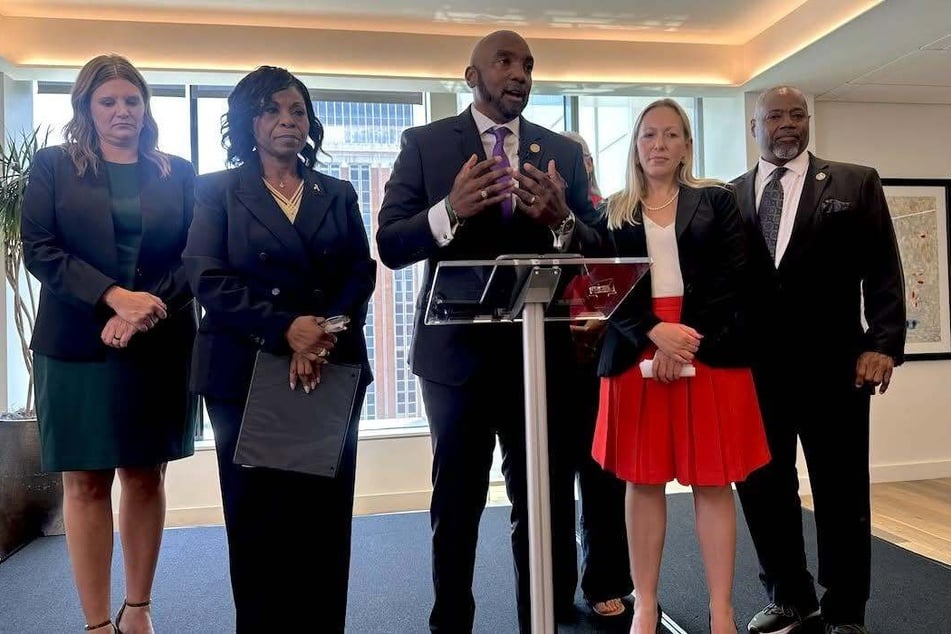
"Our ancestors endured removal and displacement alongside other Muscogee Creek people, rebuilt their lives in Indian Territory, lived in Creek communities, raised families, served side by side in times of war and conflict, and contributed to the history of the Muscogee Creek Nation," plaintiff Rhonda Grayson said in a livestream briefing about the case.
"They weren't standing outside Creek history looking in; they lived it and helped shape it," she added.
Grayson is a descendant of Muscogee Creek Freedmen, people of African descent who were either enslaved by members of the Muscogee Creek Nation, lived among the Creeks as free Blacks, or were listed on the Dawes Rolls as interracial Creeks.
Article 2 of the Creek Treaty of 1866 – agreed between the Muscogee Creek Nation and the US government – guaranteed that Freedmen and their descendants "shall have and enjoy all the rights of native citizens."
But those rights – along with educational, health, and other benefits – were stripped from Black Creeks when the Muscogee Creek Nation adopted a new constitution in 1979 restricting citizenship to those listed as "Muscogee (Creek) Indians by blood" on the Dawes Rolls. The move excluded those whose ancestors appeared only on the Creek Freedmen Roll.
Grayson, who serves as president of the Muscogee Creek Indian Freedmen Band, has been fighting in the tribal court system alongside fellow plaintiff Jeffrey Kennedy for restoration of citizenship rights. She insisted on Thursday that these efforts are not just about benefits.
"It is about who we are, where we come from, and what our ancestors passed down to us. We were part of this history, and we still are. That is why citizenship means so much to us," Grayson explained.
"For us, it means recognition of our rightful place within the Creek Nation and the ability to fully participate in the life of the nation. That includes having a voice and a vote, participating in our community and culture, and carrying our history and identity forward for future generations."
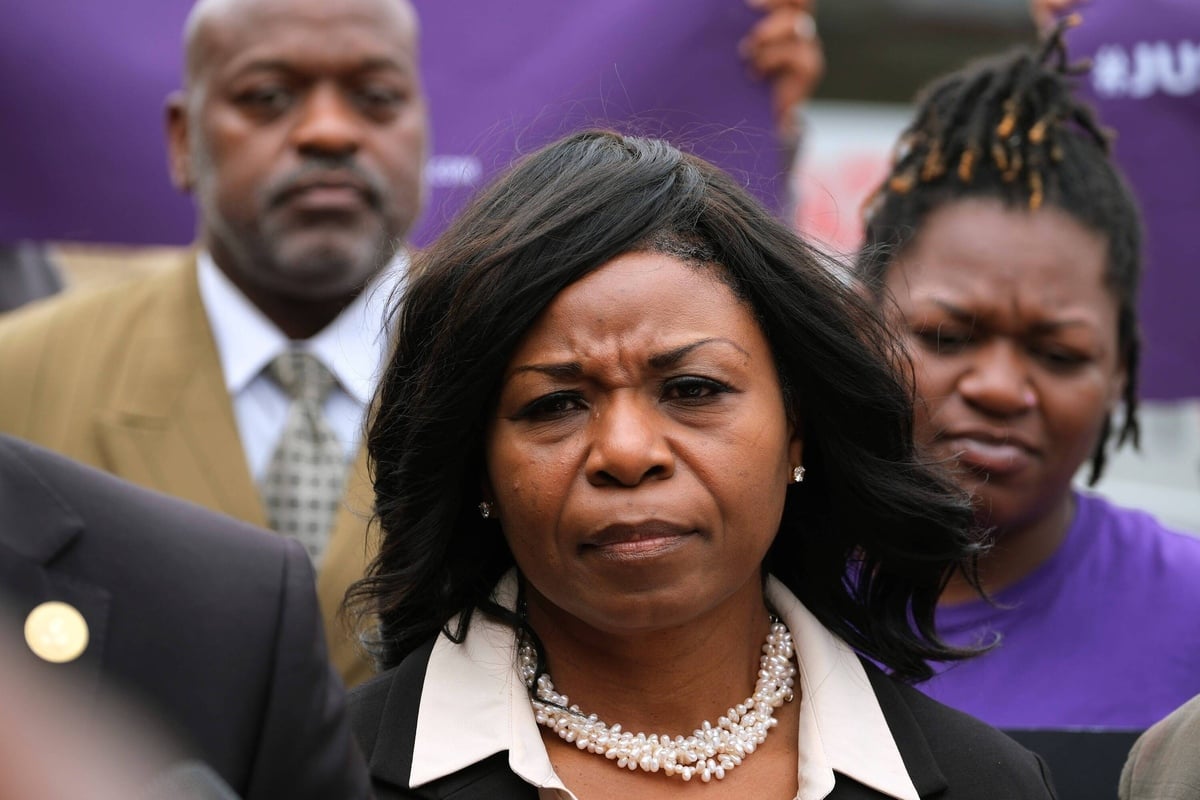
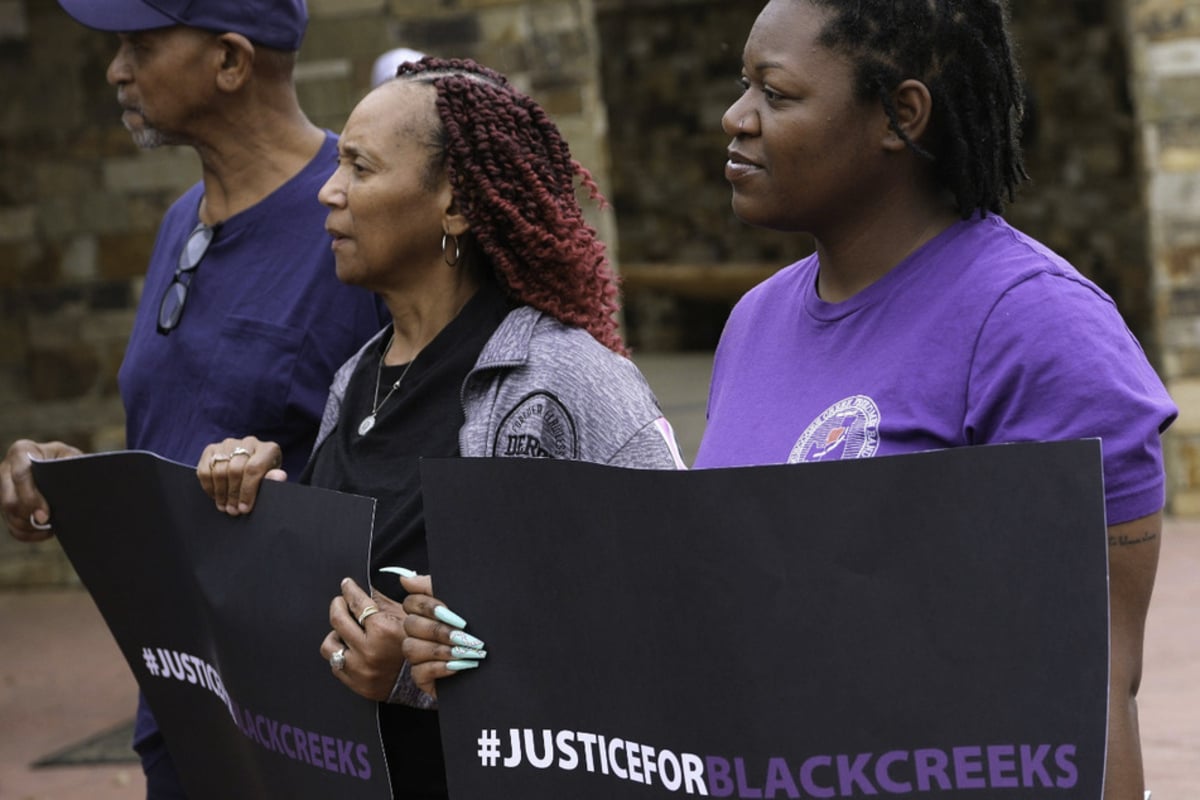
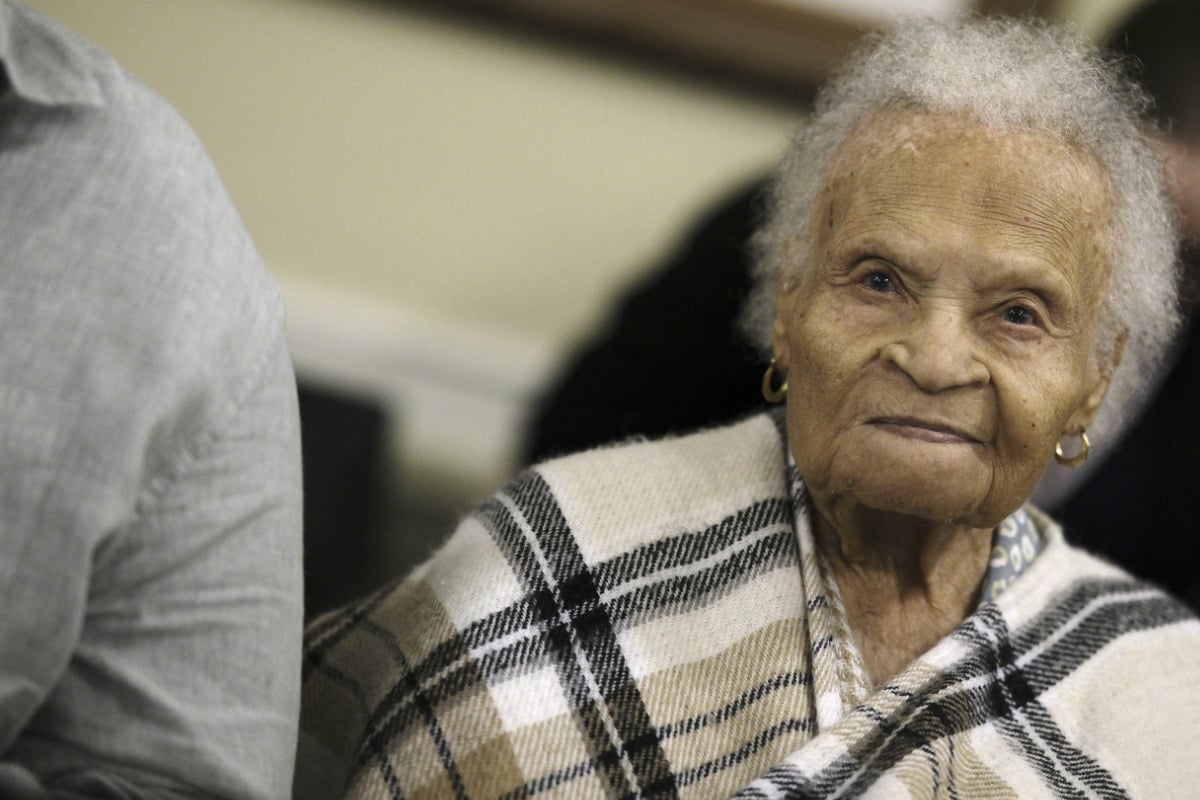
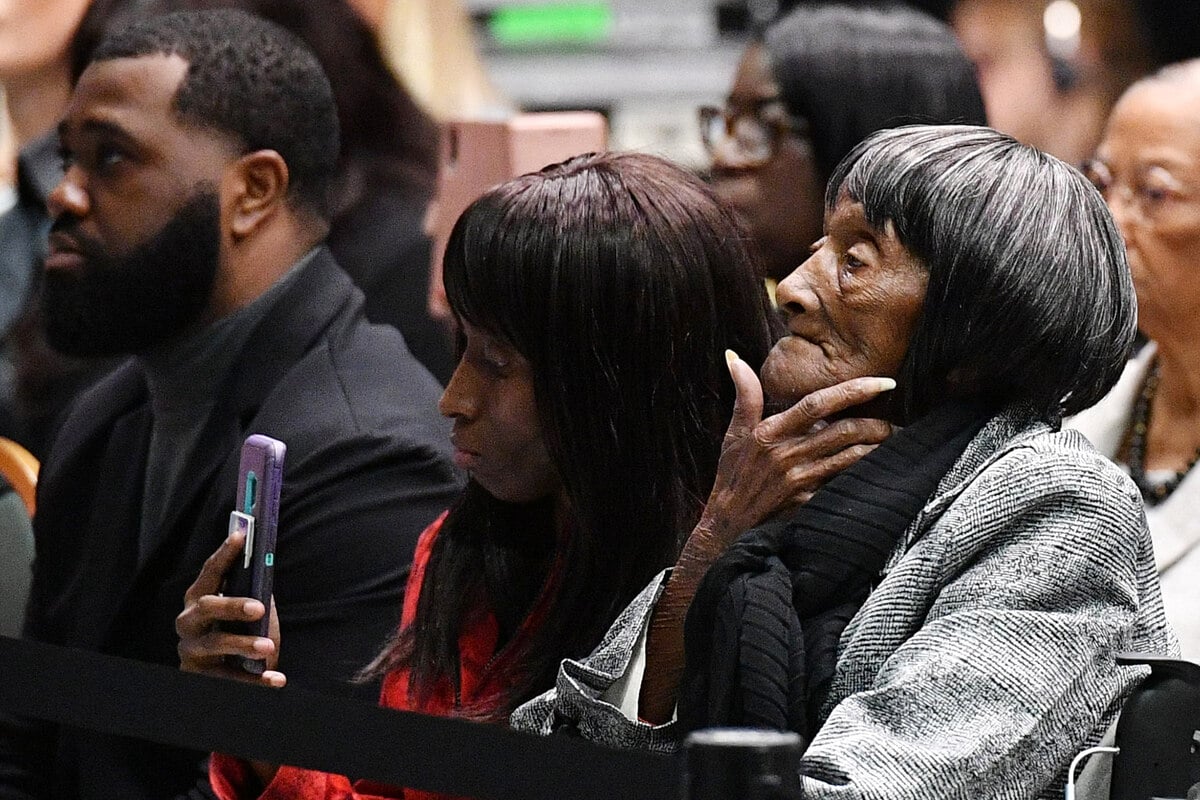
"It is about dignity, it is about identity, it is about history"
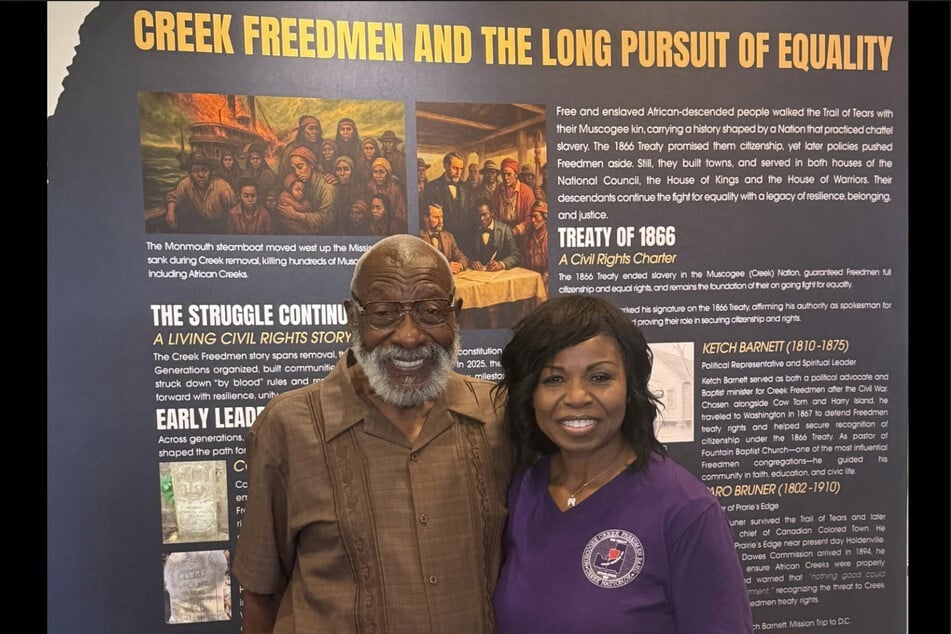
Back in September 2023, Muscogee Nation District Judge Denette Mouser ruled in favor of Grayson and Kennedy's right to citizenship. The Muscogee (Creek) Nation Supreme Court upheld that decision in July 2025, declaring "any reference to 'by blood' citizenship in the 1979 Muscogee (Creek) Nation Constitution to be UNLAWFUL and VOID AB INITIO."
Nevertheless, Principal Chief David Hill issued an executive order in August 2025 directing the nation's Citizenship Board not to issue citizenship cards to Black Creeks. He argued a pause was necessary to allow for a review and updating of tribal laws and policies.
Plaintiffs and their legal team have now opted to pursue action through the federal court system. In July, they filed a lawsuit in the US District Court for the Western District of Oklahoma seeking injunctions against Chief Hill and Citizenship Board members to stop them from continuing to deny Grayson and Kennedy their citizenship cards.
"We followed the tribal judicial process. We took our case through the nation's courts, and we prevailed. Yet I am still waiting for my citizenship to be recognized," Grayson lamented.
"That continuing denial has a very real impact on me right here where I live in the western district of Oklahoma. It is about dignity, it is about identity, it is about history, and it is about whether the promises made to our ancestors will be honored for their descendants today."
"In the words of our ancestors, we have been here all the while, and we are still here."
"Walking in the steps of our Creek ancestors"
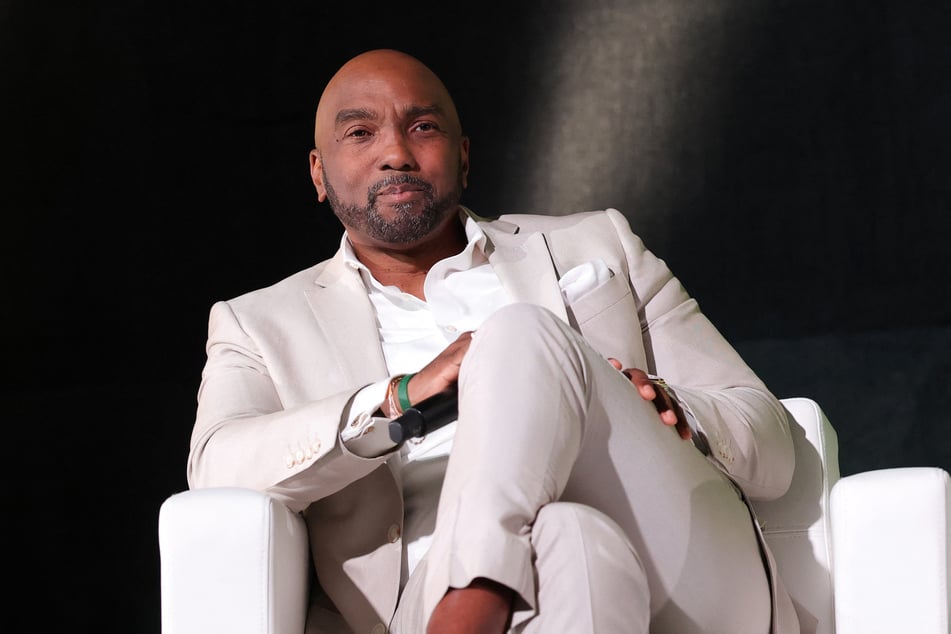
Grayson and Kennedy's legal representatives filed arguments against motions to dismiss their case on November 3.
Chief David Hill had argued that the federal court lacks jurisdiction and that extending citizenship to Creek Freedmen would require a constitutional amendment.
Now, the parties are waiting for the court to rule on whether the case will move forward.
"The Nation’s motion to dismiss is pending before the federal court, and the Nation is confident in letting the process unfold procedurally with our arguments," Chief Hill said in a statement shared by News on 6.
"Amendments can be made in only one way, by the will of the people," he said. "We remain hopeful that the federal court will respect the Nation's sovereignty and uphold the core principle that Indian tribes have the inherent authority to determine their own citizenship."
The lawsuit comes as the Muscogee Creek Nation prepares to hold elections in 2027.
Lead attorney Damario Solomon-Simmons, himself a descendant of Creek Freedmen, stressed that Black Creeks should have the opportunity to participate in those elections like other tribal citizens.
"This lawsuit and this effort is not trying to tear down the Muscogee Creek Nation, and it's not trying to lessen the sovereignty of our great nation," Solomon-Simmons said.
"In fact, this litigation, this effort, is to prove the sanctity of our sovereignty. It's to prove the sanctity of the treaty rights, that they are everlasting and ongoing."
"We fear that what Chief Hill and others in leadership are doing is putting the entire Creek Nation's sovereignty in jeopardy because if the Creek Nation can decide that they don't want to adhere to Article 2 of the Treaty of 1866, then what's going to stop the State of Oklahoma or the United States government from not adhering to other articles within the Treaty of 1866?"
"This is why we believe what we are doing is walking in the steps of our Creek ancestors. We are holding up what they have done for us over the centuries. We are holding up sovereignty. We are trying to make this nation whole and stronger. That is the goal of this litigation."
Solomon-Simmons urged supporters to sign a petition calling on the Muscogee Creek Nation to restore full citizenship rights to Black Creeks.
Cover photo: Screenshot/Facebook/Muscogee Creek Indian Freedmen Band -Black Creeks