


Did Christa Pike's rare blood cancer cause her botched execution?
Nashville, Tennessee - Just nine months before the botched execution of Christa Pike, her lawyers had warned that she suffered from a rare form of blood cancer. The fact that she survived two doses of the lethal injection has now raised the question of whether her illness affected the execution attempt.
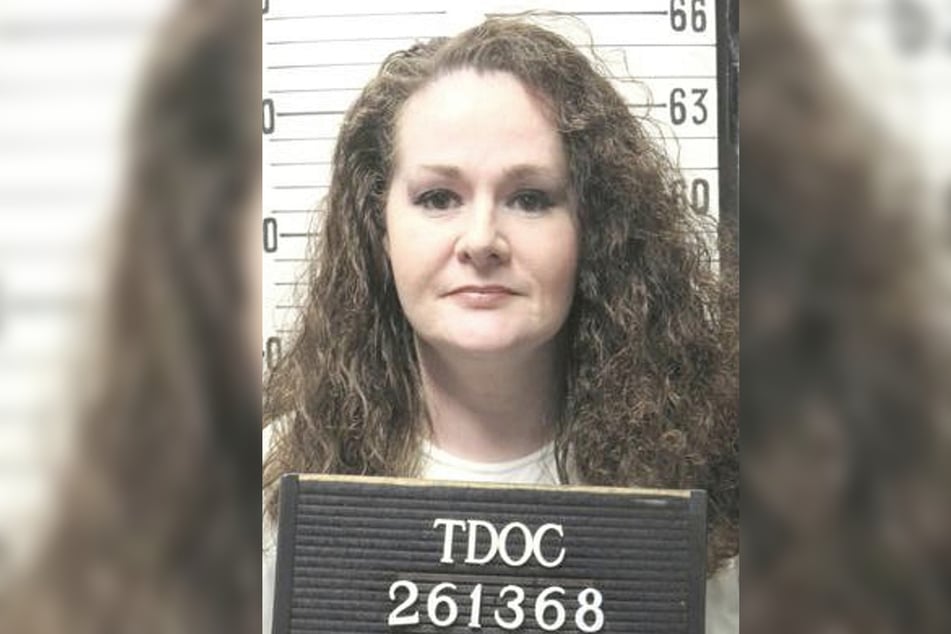
Pike's lawyers had already filed a complaint on January 8 regarding the planned execution and warned that the injections would "very likely to result in unnecessary and superadded pain and suffering, terror, and disgrace" for their client.
In the complaint, which was reported on by People, her legal team noted that the 50-year-old suffers from a myeloproliferative disorder – a rare form of blood cancer. Pike's platelet count is significantly elevated.
Her attorneys explicitly warned that Pike, who was convicted of murdering her classmate at the age of 18, faces a high risk of severe pulmonary edema if she receives the lethal injection.
This would cause a potentially dangerous buildup of fluid in the lungs.
"A pulmonary edema is not simply painful or uncomfortable; it can create a sense of suffocating or drowning that has been likened by experts to the sensation intentionally induced by the practice of waterboarding – an unambiguous form of outright torture," the letter stated.
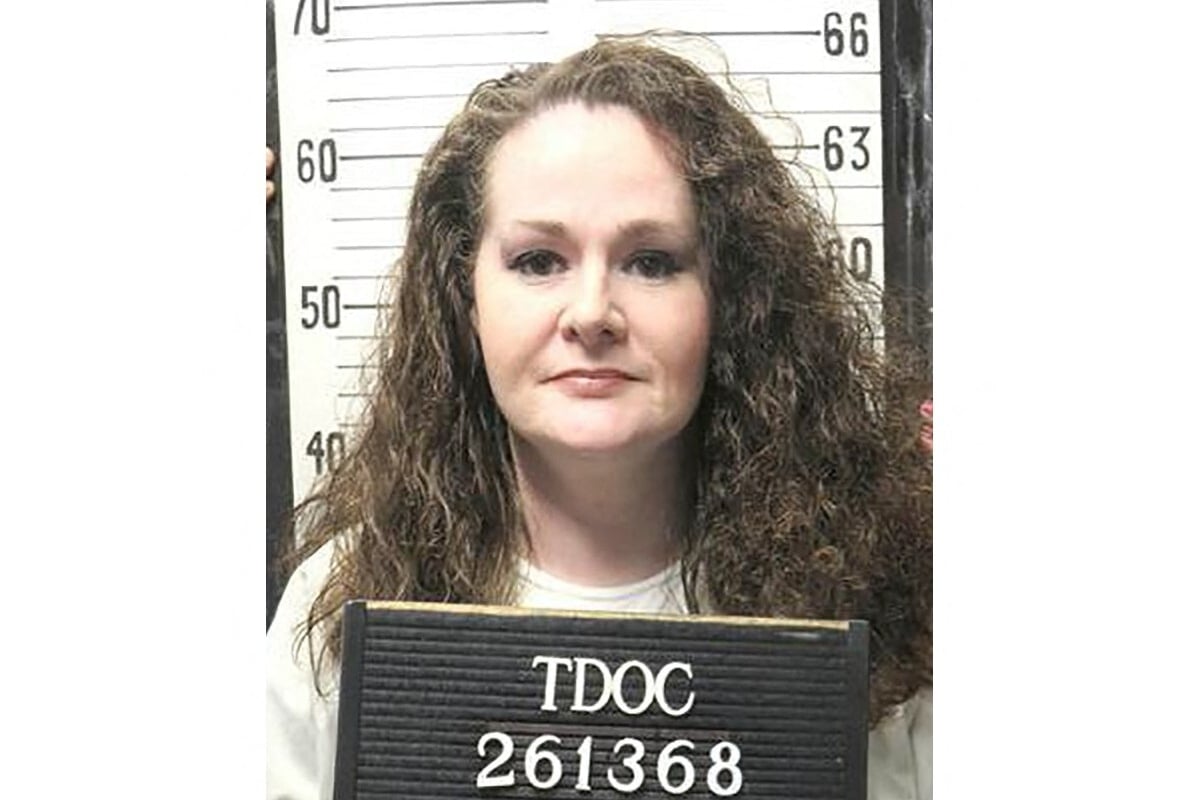
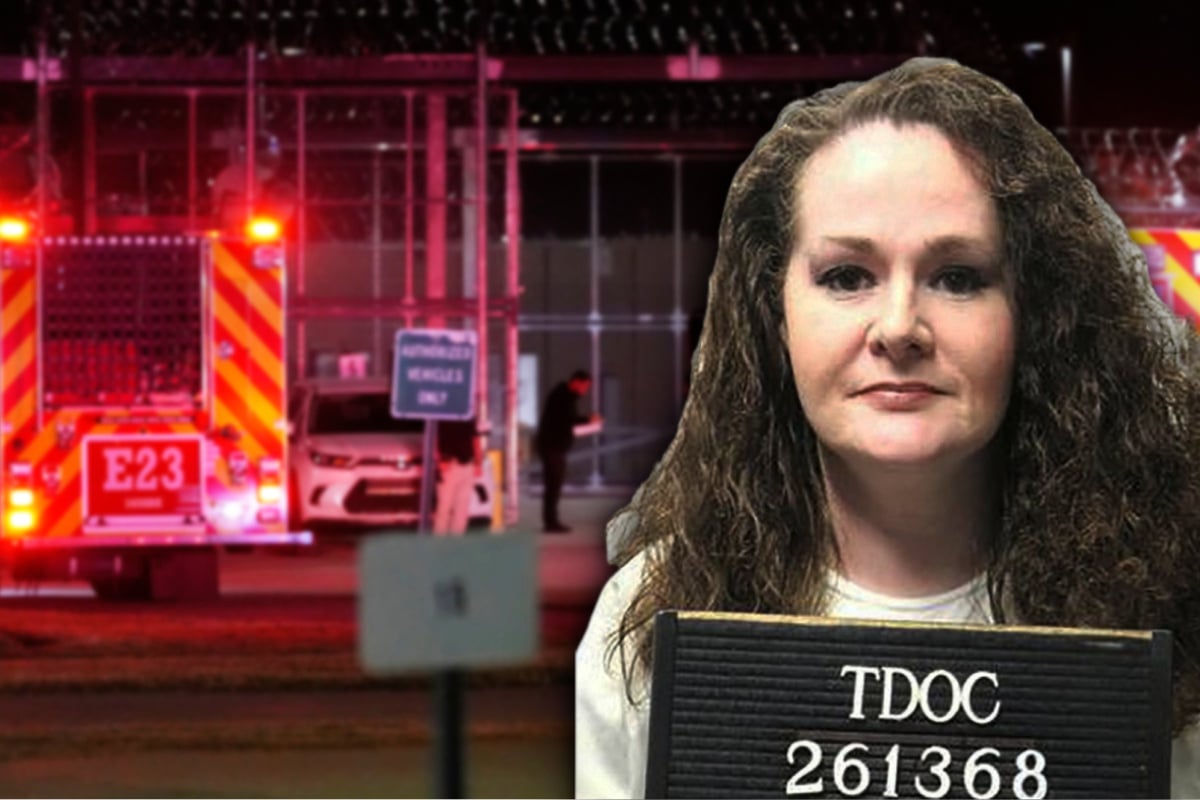
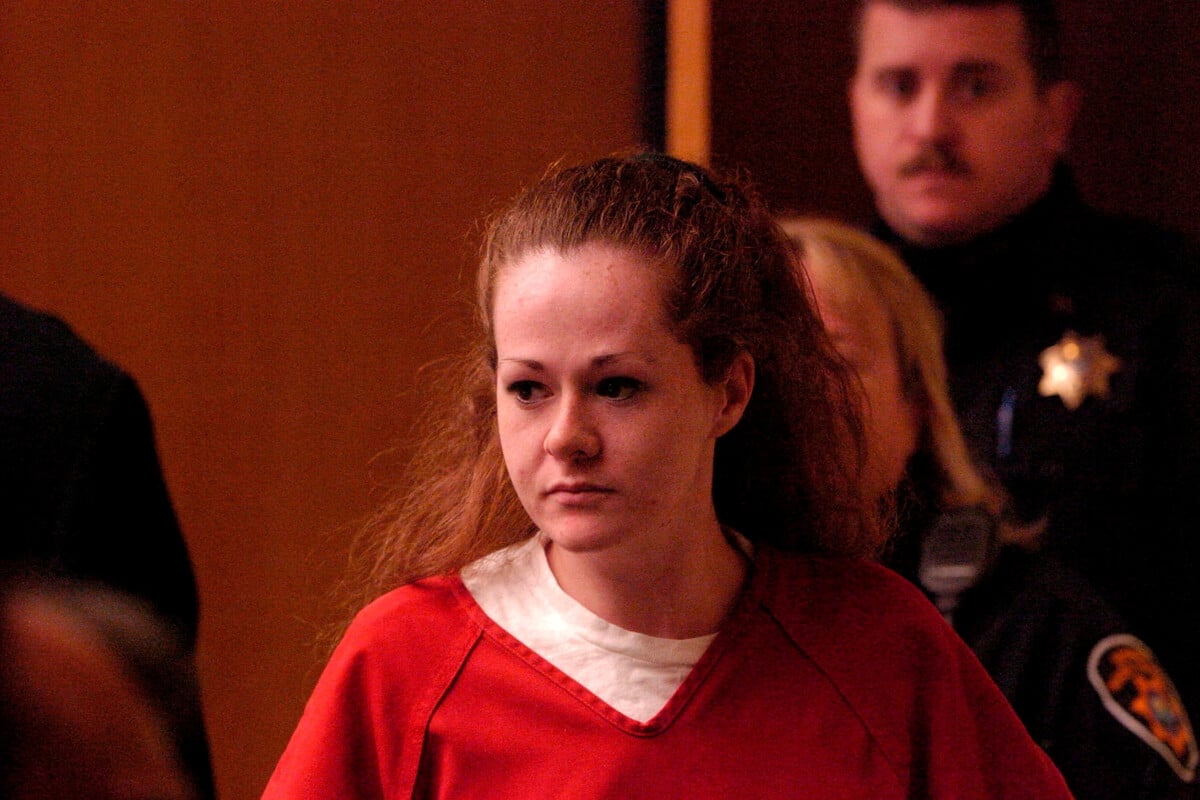
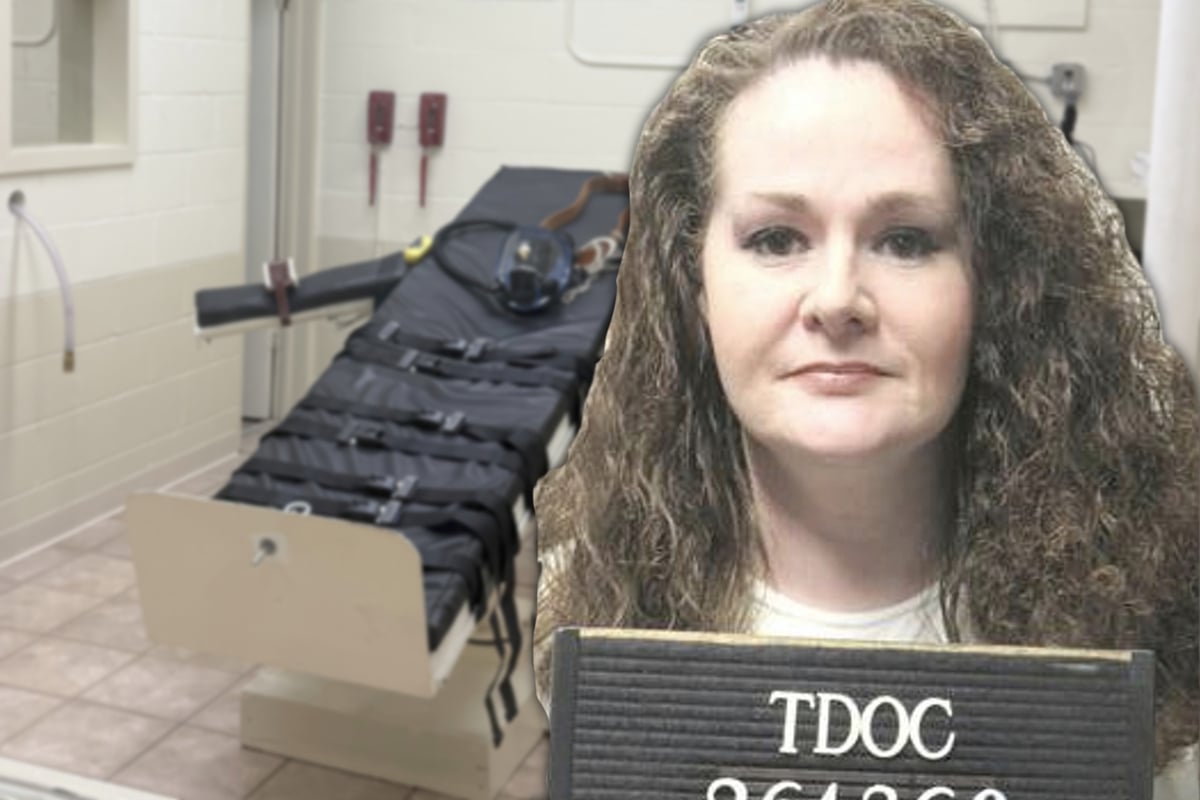
Questions loom after Pike's shocking botched execution
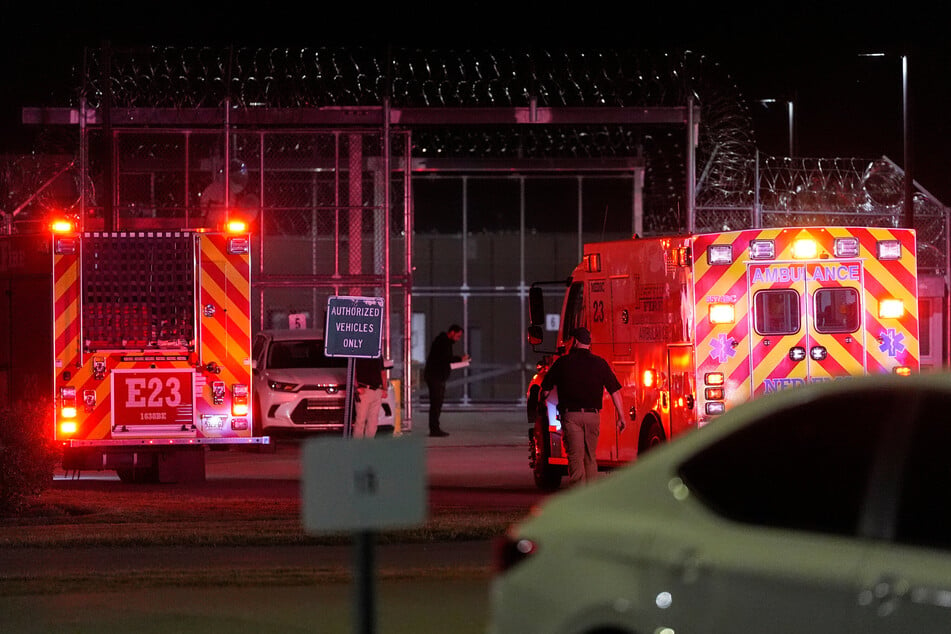
Aside from her illness, Pike's hard‑to‑access veins worried the attorneys. In the past, there had already been problems with routine blood draws and needle insertions.
Medical staff had even had to switch to butterfly needles. According to the letter, that type of needle is "a feasible and readily implemented alternative" to reduce Pike's risk of "unnecessary pain and suffering."
Some of these concerns proved justified on September 30, the day of Pike's scheduled execution. Significant issues arose with the IV lines during the injection.
Pike ultimately survived two lethal doses of pentobarbital. Whether her illness contributed to the botched execution remains unclear.
Cover photo: Collage: George Walker IV/AP/dpa & via REUTERS