


Patrice Lumumba and the "audacity of hope": The ongoing fight for justice and reparations
Geneva, Switzerland - A Belgian former diplomat could soon stand trial over his alleged role in the assassination of Congolese independence leader Patrice Lumumba – a case that highlights the longstanding denial of justice for the crimes of colonialism.
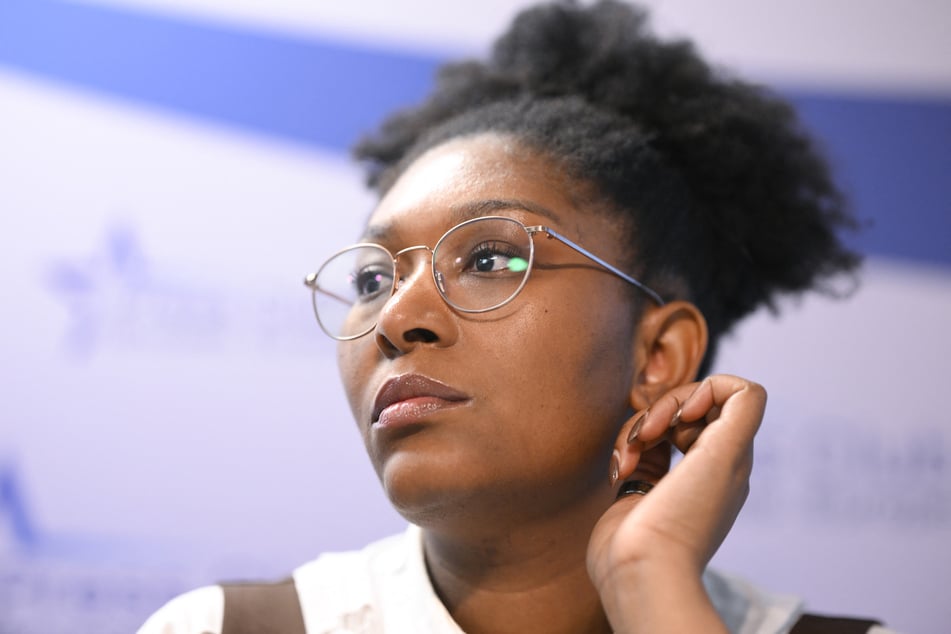
Patrice Lumumba's case took center stage at an April 15 event in Geneva on colonial impunity and justice for African independence leaders, held on the sidelines of the UN Permanent Forum on People of African Descent.
It was all the more fitting that Yema Lumumba was in attendance. She calls the ongoing legal efforts to ensure accountability for her grandfather's killing a collective family undertaking.
"This whole proceeding has taken so long, and it is very clear that it has become a generational thing," Yema said in Geneva.
"We were always taught about our legacy and taught to make it our own."
In March, a Belgian court ruled that ex-diplomat Étienne Davignon, now 93 years old, can stand trial over his alleged role in the events leading to the 1961 assassination of Lumumba and two of his allies, Maurice Mpolo and Joseph Okito.
Calls for justice received renewed momentum after the 1999 publication of De moord op Lumumba (The Assassination of Lumumba) by Ludo De Witte, who found Belgium was primarily responsible for the killing with support from the US.
In 2001, a Belgian parliamentary commission of inquiry determined "certain members of the Belgian Government and other Belgian figures have a moral responsibility in the circumstances which led to the death of Lumumba" – but no accountability followed.
The March decision marked a significant step forward for the Lumumba family, who first launched their lawsuit in 2011. All of the other suspects named in the complaint have died since the initial filing.
No matter how much time goes by, Yema affirmed her family's commitment to the cause: "The world will always have Lumumbas seeking for answers and truth."
Patrice Lumumba, pan-Africanist revolutionary icon
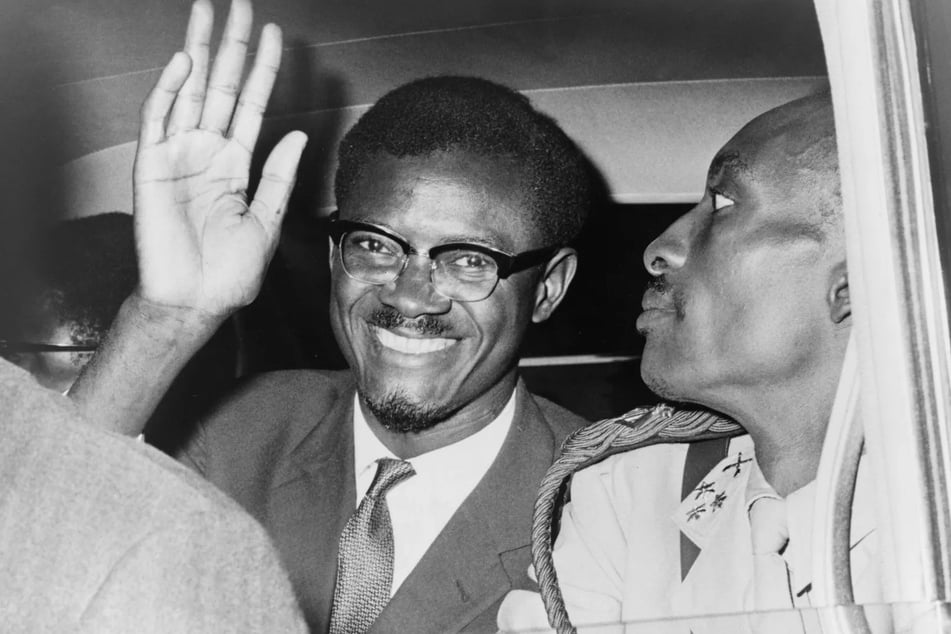
Patrice Lumumba is celebrated today as one of the foremost leaders of African liberation and the struggle against European colonial domination.
He helmed the Congolese National Movement from 1958 and led the struggle for independence from Belgium, which had a long history of atrocities in the region.
In May 1960, Lumumba was elected first prime minister of the First Congolese Republic (today's Democratic Republic of the Congo), but his governance was short lived.
Lumumba was assassinated the following year along with Mpolo and Okito after being transferred to the mineral-rich province of Katanga, which had seceded from the Republic of Congo with Belgian backing. He was executed by firing squad before most of his body parts were dissolved in sulphuric acid.
After Lumumba's killing, Western-backed strongman Mobutu Sese Seko seized power in a 1965 coup and remained in office until 1997.
Davignon, who later became a European commissioner, was 28 years old at the time of Lumumba's killing. He is accused of participating in the prime minister's unlawful detention, denial of due process, and degrading treatment while working as an intern at Belgium's foreign ministry.
Despite the March decision to allow a trial in the case, achieving a positive legal outcome is not a given.
"International law has a lot of racist roots, but even with how it exists today, the rightful application is difficult because we have human beings in front of us and they are living in this society that is a racist one," the Lumumba family's attorney, Jehosheba Bennett, said in Geneva.
The Lumumba case and "the audacity of hope"
The positive developments in the Lumumba case come amid growing calls for reparations for the crimes of colonialism and enslavement on the African continent and across the diaspora.
Dr. Tshepo Madlingozi, a member of the South African Human Rights Commission, said the Lumumba litigation had inspired efforts to recommit to justice in other cases as well.
Nevertheless, Madlingozi expressed concerns that prosecuting individuals risks individualizing colonialism and apartheid while allowing the underlying structures of oppression to continue.
"Reparations is not only about criminal justice. It's not only about accountability. But it's also about how we re-member ourselves. So the question is, can Western law help us to re-member ourselves?" he asked.
Makmid Kamara, director of the Ghana-based pan-Africanist organization Reform Initiatives, believes that despite the challenges, there is still value in seeking justice on behalf of African independence leaders and their families.
"We should not take for granted the element of the closure that this will bring," Kamara said of the Lumumba case.
"What this case gives is hope. And the audacity of hope is reflected regardless of the outcome."
"Reparation means for light to be shown"
For Lumumba's family, the significance of justice and restitution cannot be overstated.
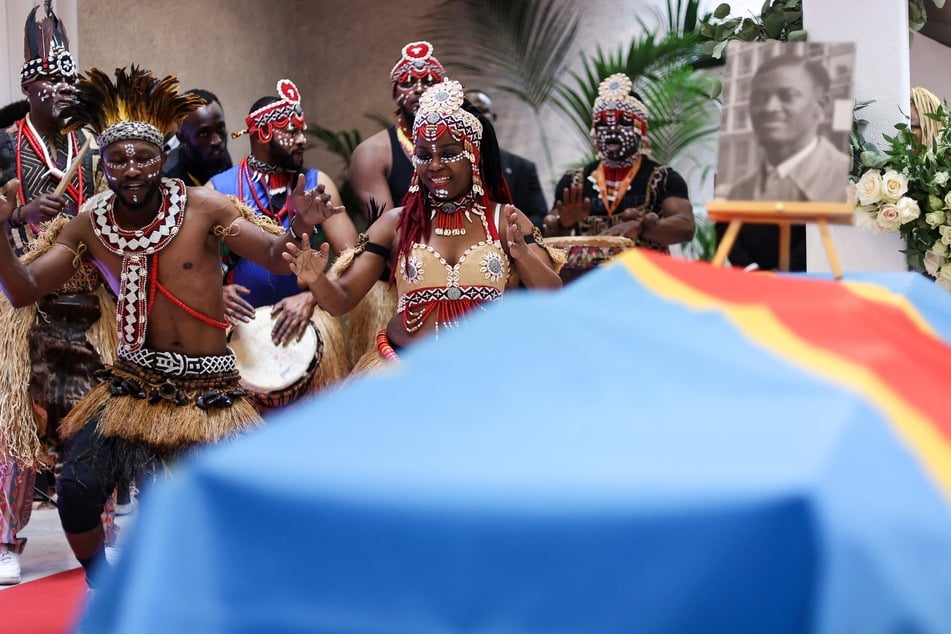
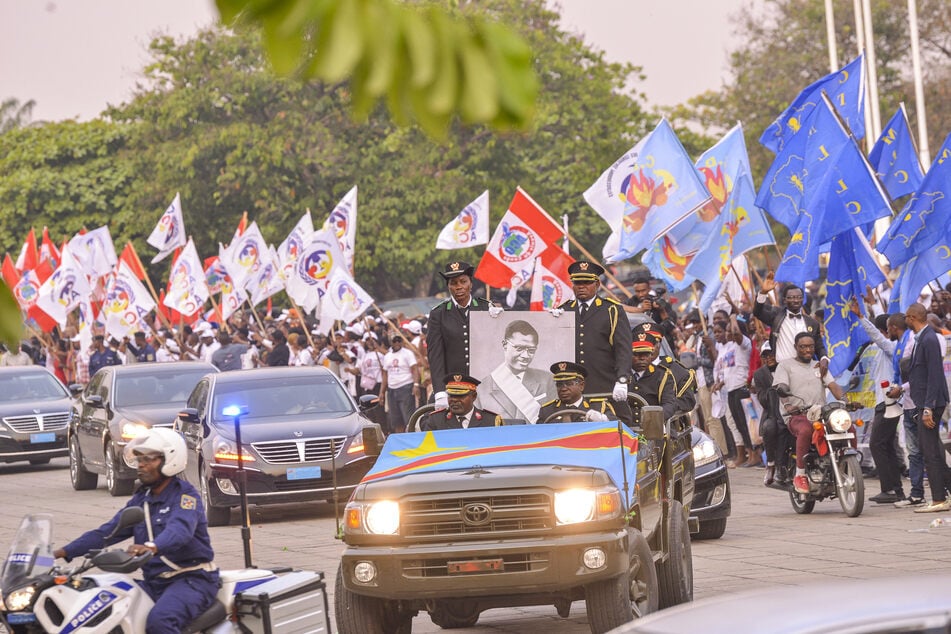
In 2022, the Belgian government finally returned what is widely believed to be Lumumba's tooth, allowing his family and the Congolese nation to put his remains to rest after decades of denial.
"In that moment when we took him home, we danced around him, we did everything that we had to do, because he is my grandfather whether I knew him or not," Yema recalled.
"What happened is that the moment we left that home, I had done my job as a granddaughter. My father, his siblings had done their job. We got him home to say goodbye. And what we did next was give him back to the country, give him back to the people."
For Yema, moments like these demonstrate the power and potential of repair, not only for her family but also for all those who carry her grandfather in their hearts.
"What reparations means first and foremost is that for every single person who does believe in these ideals that they get carried on," Yema explained.
She said that though her grandfather had been killed, his ideas must endure, as should the legacies of Mpolo and Okito.
"Reparation means for light to be shown, for accountability to be held," Yema said. "They might be the first ones, but they should not be the only ones."
Cover photo: Collage: IMAGO / Everett Collection & JOHN THYS / AFP