


Supreme Court snubs Trump administration's attempt to set aside thousands of California midterm ballots
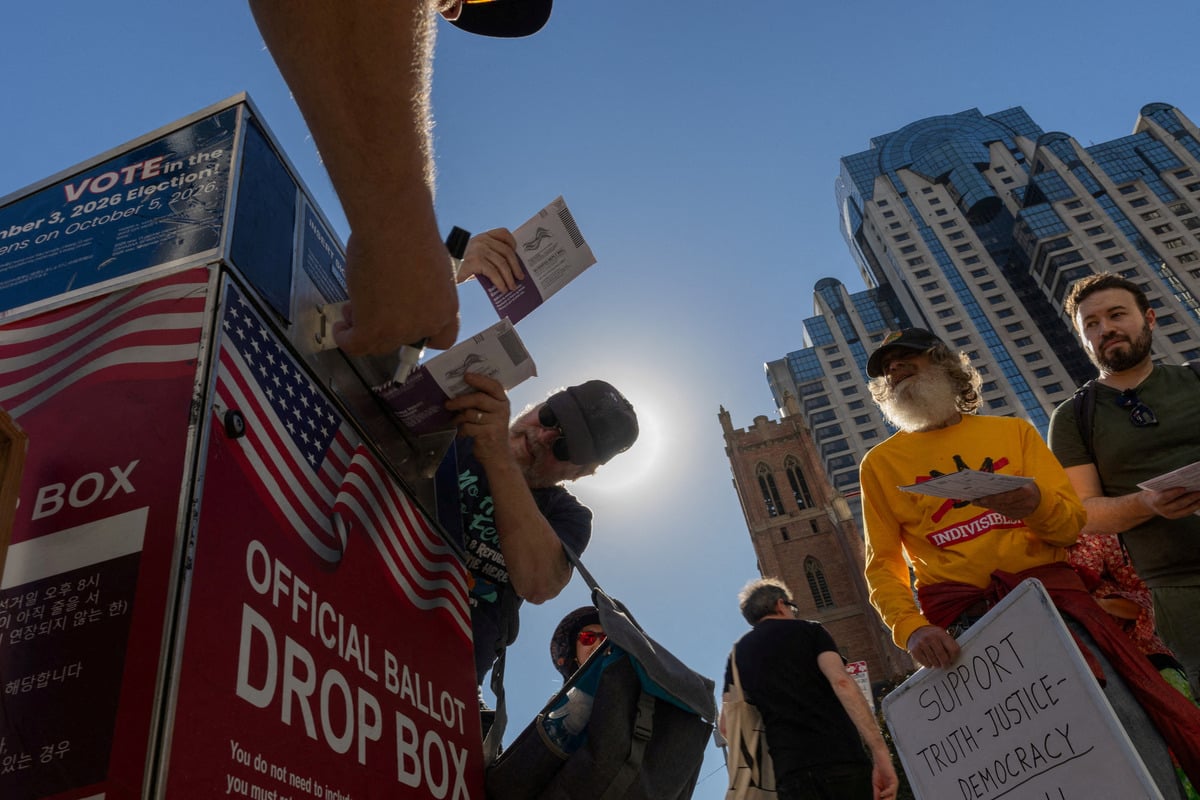
Washington DC - The Supreme Court on Monday rejected a Trump administration emergency bid to force California to set aside the mail-in ballots of more than 20,000 people.
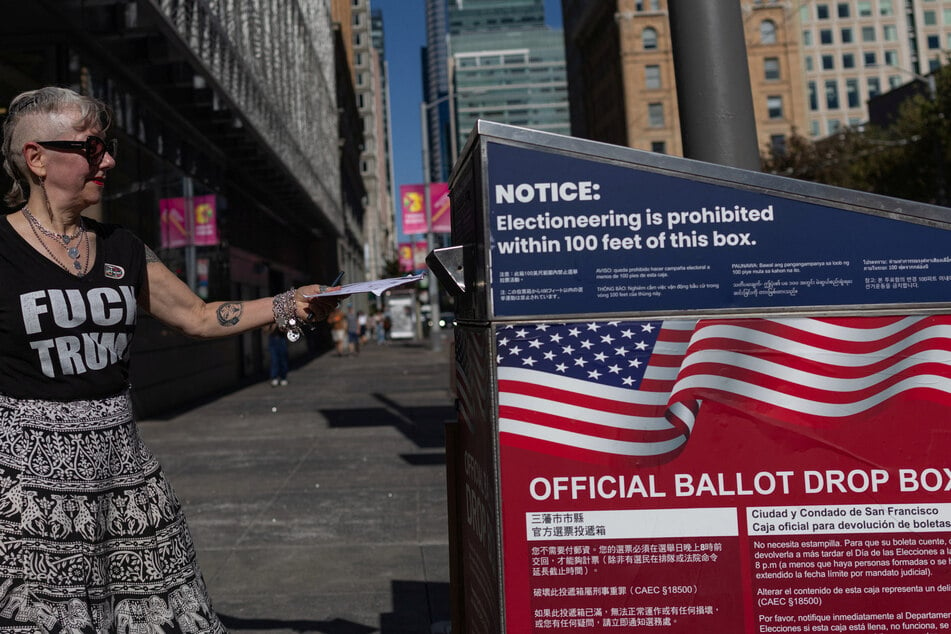
Acting a day before the midterm elections, the top court denied the request in an unsigned, one-sentence ruling, as is common in urgent cases before the court. It gave no reasoning for the decision.
The federal government had accused California of having 190,000 illegal voters on its rolls. It recently revised the figure to 20,000 and filed an emergency lawsuit – after early voting had begun – to stop the state from sending ballots to them.
The Supreme Court action came after lower courts last week – and again on Monday – rejected the demand by the Department of Justice, with one judge calling it brazen pre-election interference.
Solicitor General D. John Sauer, in an emergency filing with the Supreme Court, had said that "once California commingles the challenged ballots with lawful ones, there is no way to get the challenged ballots back."
The California ballot case appeared to be another attempt by the administration to cast doubt on the results of Tuesday's vote, in which President Donald Trump's Republican Party is at risk of losing control of Congress.
Trump – who has never acknowledged his own election defeat by Democrat Joe Biden in 2020 – has been claiming for months that there will be fraud in the midterms.
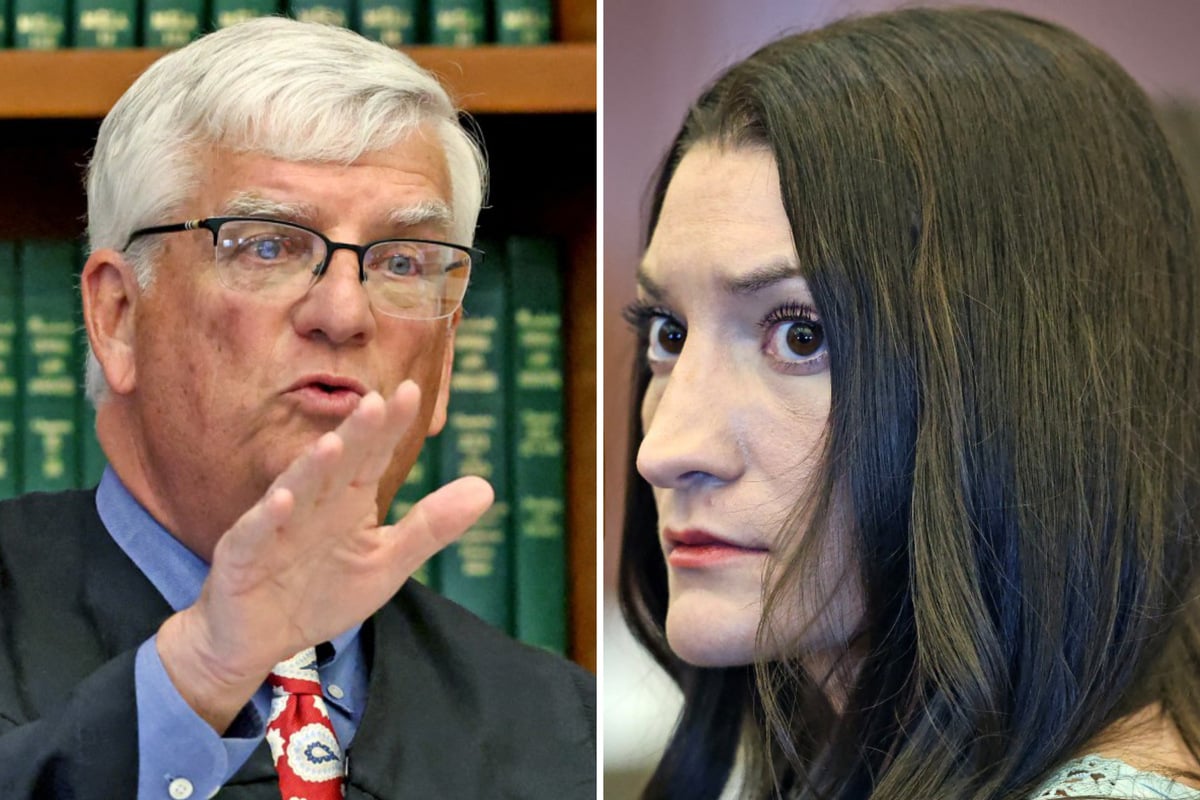
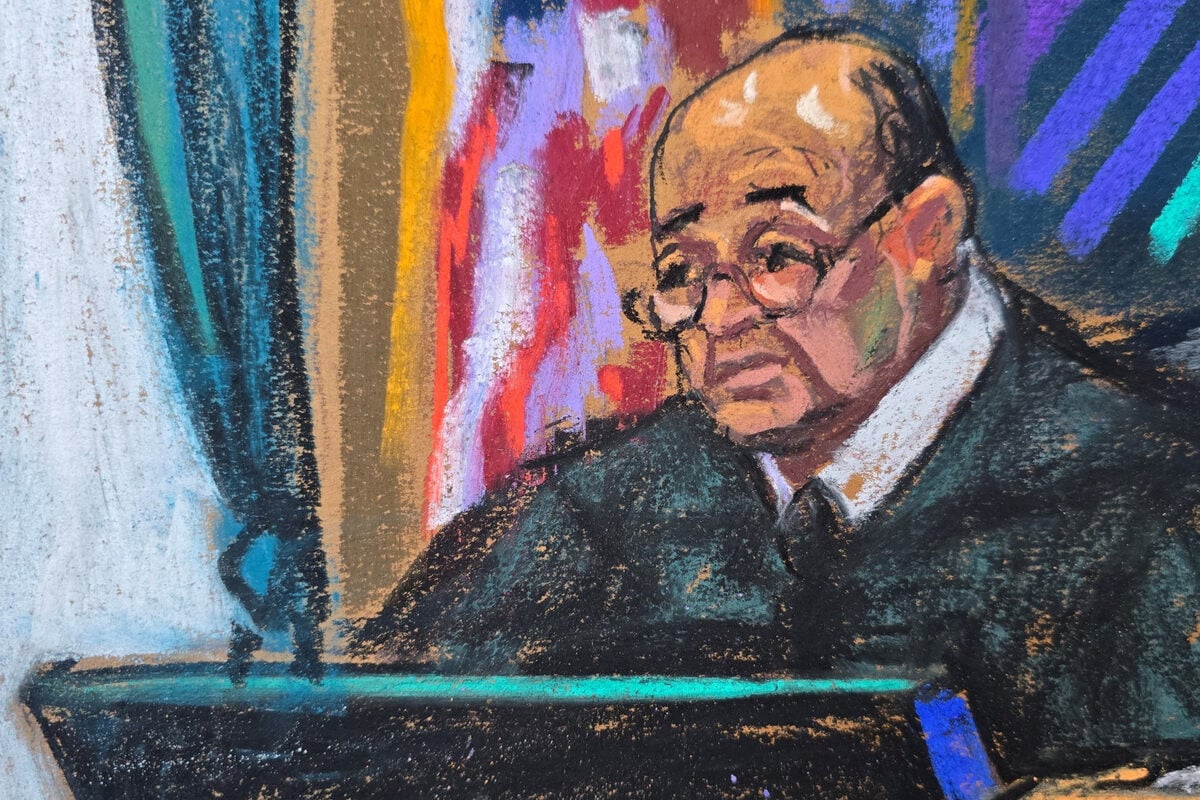
US District Judge David Carter last week refused to order the seizure of the ballots and sided with the government of Democratic-led California.
"The DOJ's actions are indicative of a broad, ongoing pattern of attempted election interference by federal officials," Carter said.
Another district judge, James Boasberg, also ruled against the Trump administration on Monday, saying the lists of people the administration claimed were non-citizens were "flawed."


Trump administration seeks action in Nevada and Alaska
A controversy similar to California's arose in neighboring Nevada. The administration said initially it had identified 16,000 non-citizen voters there, but after verification procedures that number dropped to 185 – and then to zero.
Studies repeatedly show that while cases of voter fraud exist, such incidents are extremely rare and do not influence election results.
In another closely-watched election case, a federal judge in Alaska over the weekend tossed out a bid by the Trump administration to hold up Senate election results in the state should the Democratic candidate win.
The DOJ had asked the court to block certification of the results if Republican Dan Sullivan, the incumbent, loses on Tuesday because a second candidate also named Dan Sullivan would have siphoned off votes.
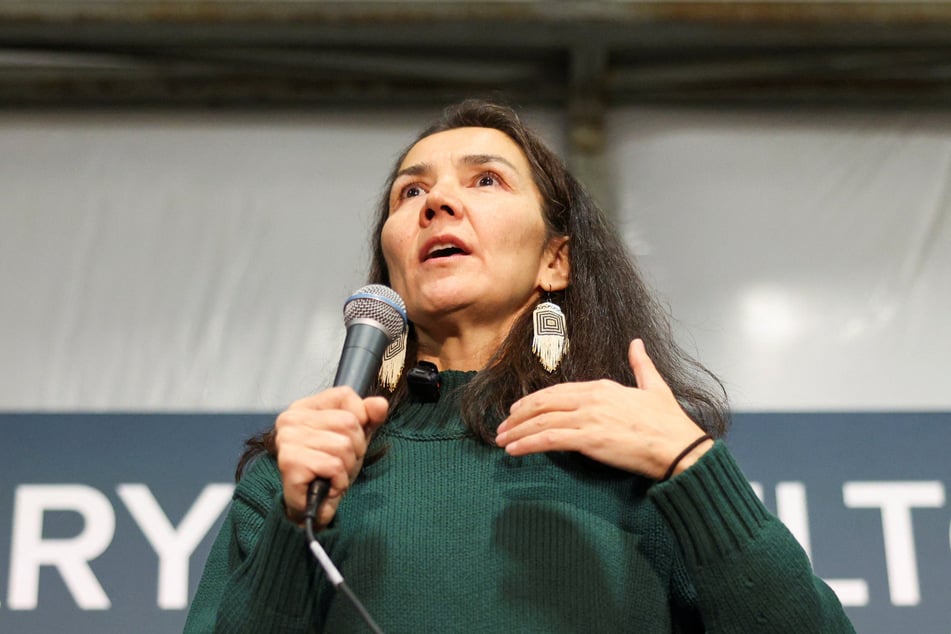
Mary Peltola, the Democratic candidate for Senate in Alaska, has denied recruiting the second Sullivan into the race, but The New York Times reported that members of her campaign staff had been involved.
Cover photo: REUTERS