


Supreme Court to hear challenge of 160-year-old ban on distilling liquor at home as Trump admin. weighs in
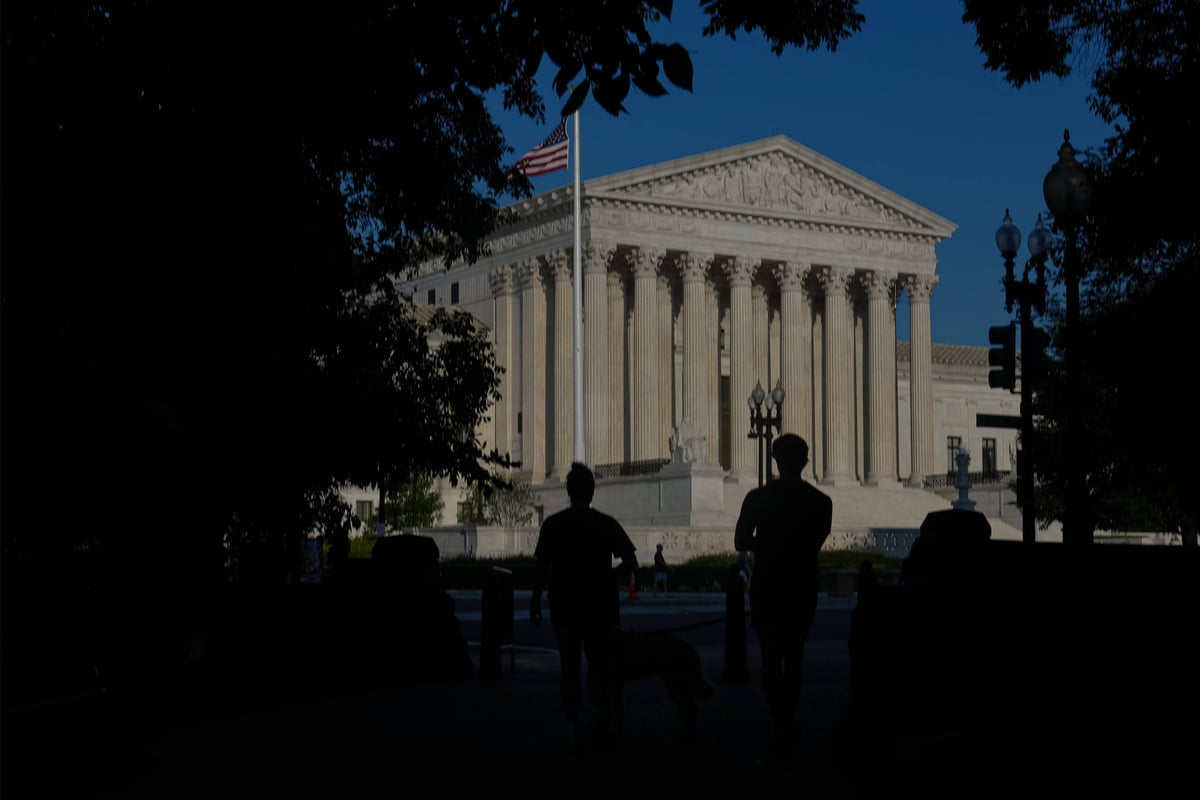
Washington DC - The Supreme Court agreed on Monday to hear a case challenging a nearly 160-year-old ban on distilling liquor at home, a dispute implicating Congress's taxation powers.
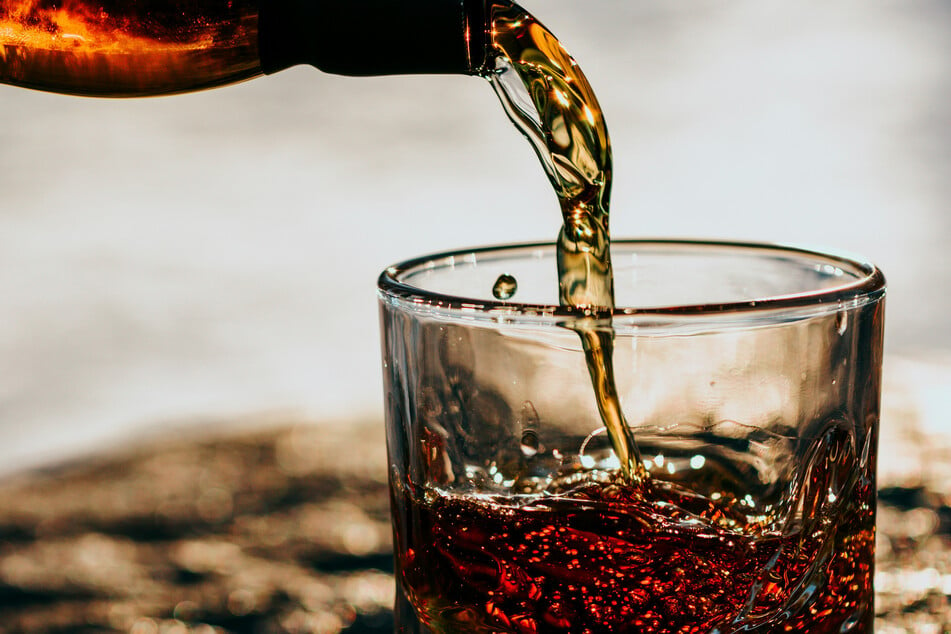
A law banning at-home distillation of alcohol was first enacted in 1868 in a bid to tackle widespread tax evasion.
Violators face fines, prison sentences, and even the possibility of their homes being confiscated.
Lower courts have issued conflicting rulings on the law's constitutionality, prompting an appeal to the conservative-dominated Supreme Court.
President Donald Trump's administration has argued for the law to be upheld.
"Congress restricted home distilling because a distiller can more easily conceal a distilling operation or thwart necessary inspections – thereby evading the requisite tax – if the still is located in a dwelling-house or connected structure," Solicitor General John Sauer has argued in court filings.
The opposing party, an association of artisanal distillers in Texas, is instead hoping that the Supreme Court will declare the law unconstitutional, arguing that the ban exceeds Congress's authority.
Under the legal theory behind the law, "there is no limit" to what potentially taxable private activities Congress could ban, the group has argued.
Cover photo: Unsplash/@nate_dumlao