


Trump and Elon Musk's infamous DOGE experiment comes to a quiet end – did it fall short of its grandiose promises?
Washington DC - President Donald Trump and billionaire Elon Musk's Department of Government Efficiency (DOGE) recently came to its inevitable end, but was the temporary agency actually as effective as they claim it was?
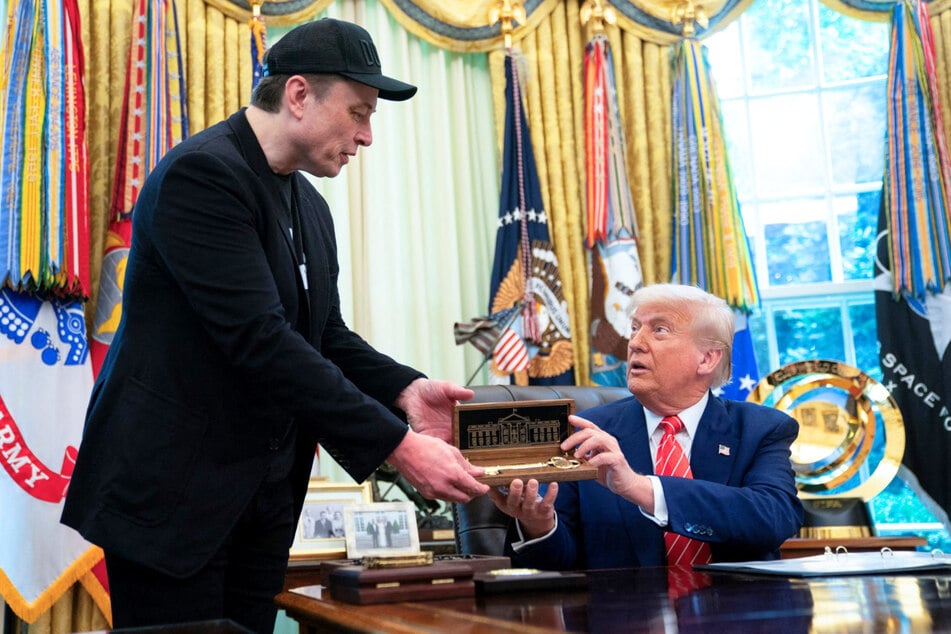
"While the formal mission of DOGE has come to an end, the mission to eliminate waste, fraud, and abuse will continue," the official DOGE account wrote in an X post shared on July 4.
"Good stewardship of taxpayer dollars and accountable government are not temporary initiatives. We hope those principles endure long into America’s next 250 years."
As Trump ran for president in 2024, Musk enthusiastically backed the Republican candidate, helping to fund the campaign with his own money.
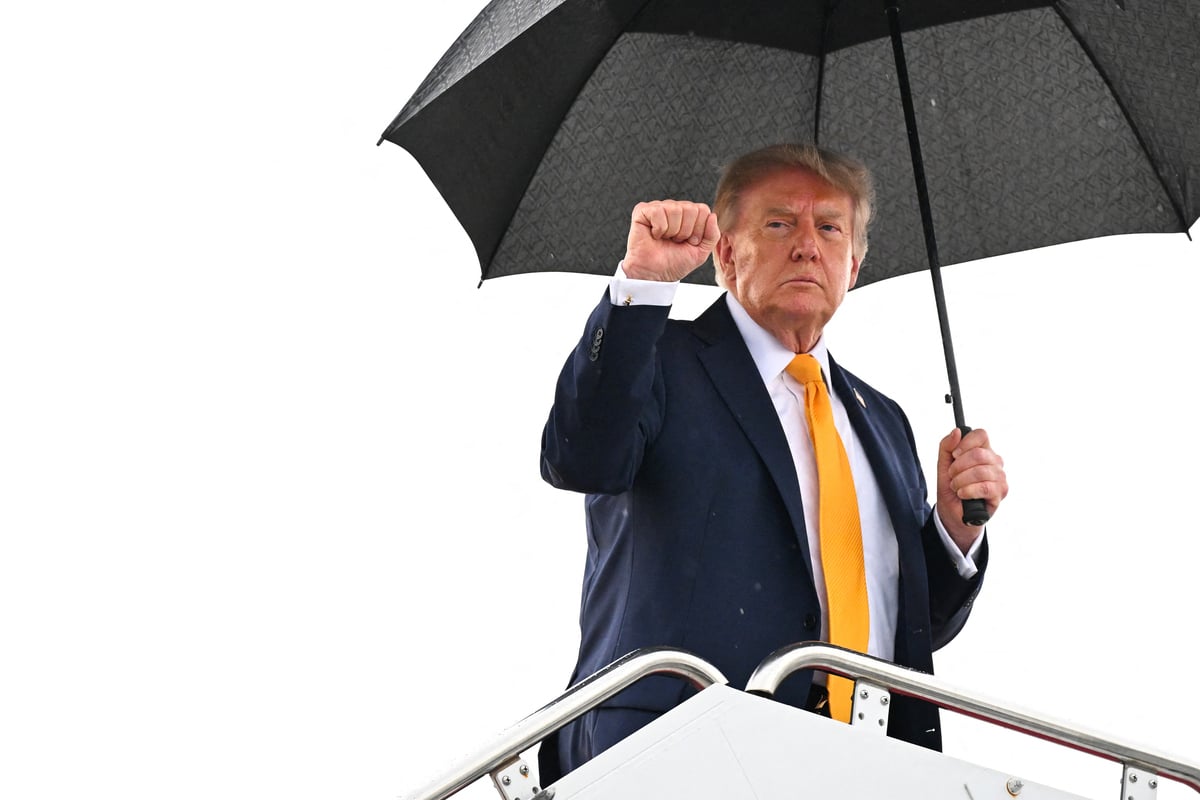
After winning office, Trump rewarded the tech mogul by signing an executive order to create DOGE and tapping Musk to lead it.
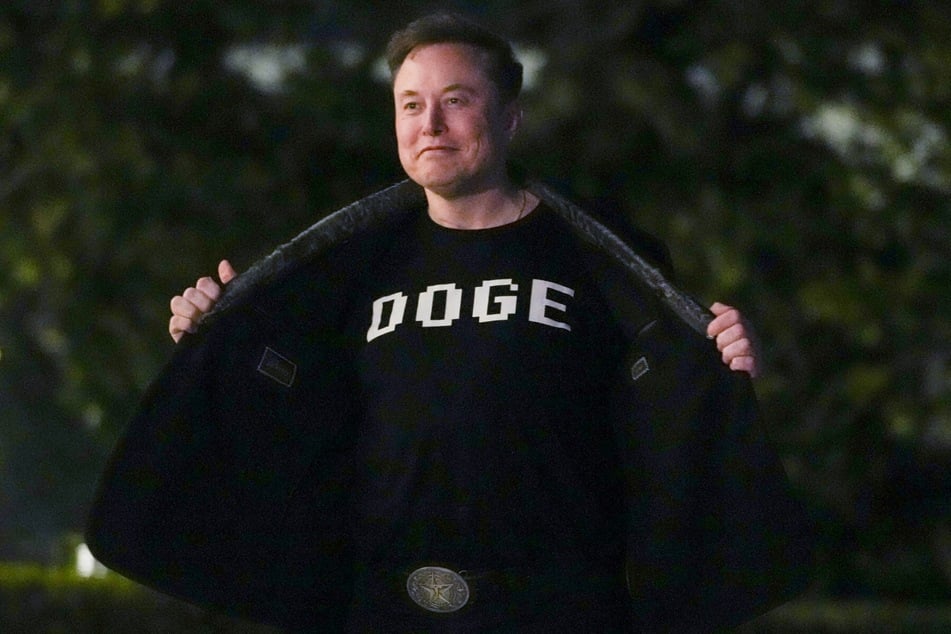
For several months, the agency wreaked havoc on US government infrastructure by firing thousands of federal employees, making massive cuts to social programs and government grants that many saw as essential, and terminating leases for underused office spaces.
To date, the agency's website claims it has saved $215 billion, or $1,335.40 per taxpayer, which is only a bit more than 10% of the $2 trillion Musk had originally promised.
Though the White House praised DOGE for having made the government "more efficient to better serve the American taxpayer," many critics have been questioning the cuts and are voicing concerns about long-lasting damage.
Experts remain skeptical on DOGE's claims of success
Elizabeth Linos, a Harvard Kennedy School public policy and management professor, recently told Politico that DOGE was used by Trump and Musk to tell Americans that "they can't trust government."
"That has really long-lasting effects on our ability to rebuild trust in government or even convince the next generation of talent to enter government to begin with," she said.
Ron Sanders, a former Office of Personnel Management associate director, told the outlet that DOGE was similar to past government reform commissions, but said that "the end result was largely the same."

National Treasury Employees Union President Doreen Greenwald argued that DOGE "never proved its claims of savings or widespread waste, fraud, or abuse," and only weakened agencies by driving staff out.
"It only caused chaos, disrupted lives, and made government work worse for the people it serves," Greenwald added.
Among the most controversial cuts made by Musk were to USAID and other international aid programs. The International Rescue Committee recently said that severe cuts to foreign aid have weakened efforts to contain an Ebola virus outbreak, which has killed over 500 people in the Democratic Republic of Congo since May.
Several experts recently told Fortune that DOGE cuts have played a big part in the failure, because even though the US has agreed to send some aid, the money cannot replace the emergency response infrastructure USAID helped create.
It's also worth noting that the Trump administration has no plans to release any type of review of DOGE's work, according to Office of Management and Budget Director and Project 2025 co-author Russ Vought, who said so during a hearing last Tuesday
"We have no plans to do kind of a closing DOGE report," Vought said, adding, "We’re always happy to give you our assessment of that work. I think it made some really important strides."
Cover photo: Allison ROBBERT / AFP