Washington DC - President Donald Trump has asked the Supreme Court to allow his administration to implement an executive order tightening mail-in voting rules and creating federal voter-eligibility lists just months before the midterm elections.
The Justice Department on Monday filed an emergency application seeking to suspend a lower court ruling that blocked the administration from collecting voter data and implementing new rules for postal voting ahead of the November 3 elections.
A federal appeals court had upheld the ruling, which found that Trump had exceeded his authority.
Under the US Constitution and federal law, states are responsible for administering elections, the lower court said. The president could not impose the changes by executive order without explicit authorization from Congress.
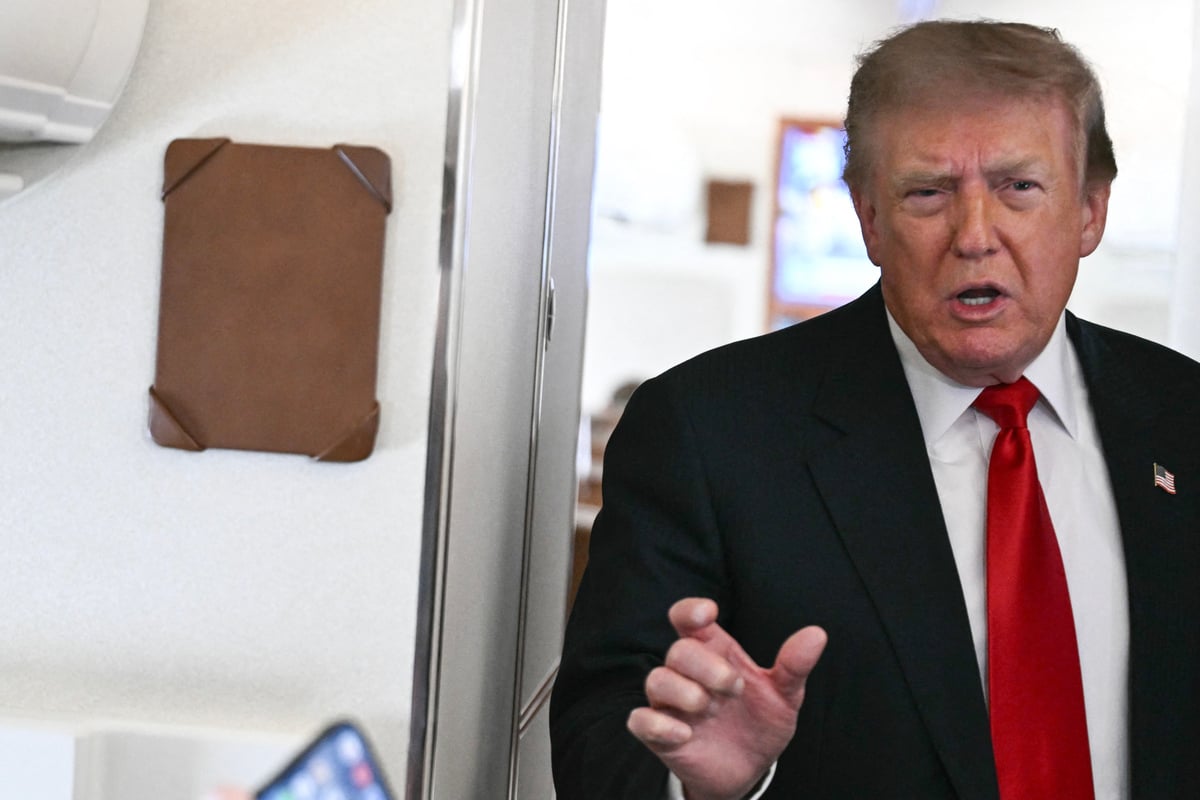
The plaintiffs, mostly Democratic-led states and the District of Columbia, have until August 3 to respond to the application.
Trump's executive order, signed in March, instructed immigration and social security authorities to compile lists of adult US citizens living in each state. It also sought to require the US Postal Service to send postal voting documents only to registered voters and called for stricter voter registration rules, including documentary proof of identity and citizenship.

Trump's changes could disenfranchise eligible voters
Voters in 36 of the 50 states are currently required to present some form of identification, according to the non-partisan National Conference of State Legislatures.
Trump says the changes would make elections fairer and prevent non-citizens from voting. Critics say such cases are rare and warn the rules could disenfranchise eligible voters without ready access to documents such as passports or birth certificates.
According to the US State Department, only around half of US citizens hold a passport.
All House seats and around one-third of the Senate will be contested in November.