New York, New York - Incumbent US automakers and suppliers urged President Donald Trump Friday to keep Chinese production out of the US ahead of next week's summit with Chinese leader Xi Jinping.
In a letter to the president, US auto interests thanked Trump for his "commitment to the auto industry in America," but called on him in meetings with the Chinese president "to keep the door firmly shut to Chinese automakers seeking to sell, import or manufacture vehicles inside the US."
The signatories included groups that do not always agree on policy issues, including the American Auto Policy Council, which represents Detroit carmakers, and Auto Drives America, which represents carmakers from Japan, Germany, and other countries with US plants.
The letter comes on the heels of a Trump interview last week with Fox's Laura Ingraham in which Trump said, "I'd be okay" with Chinese companies opening US factories as long as they hired US workers.
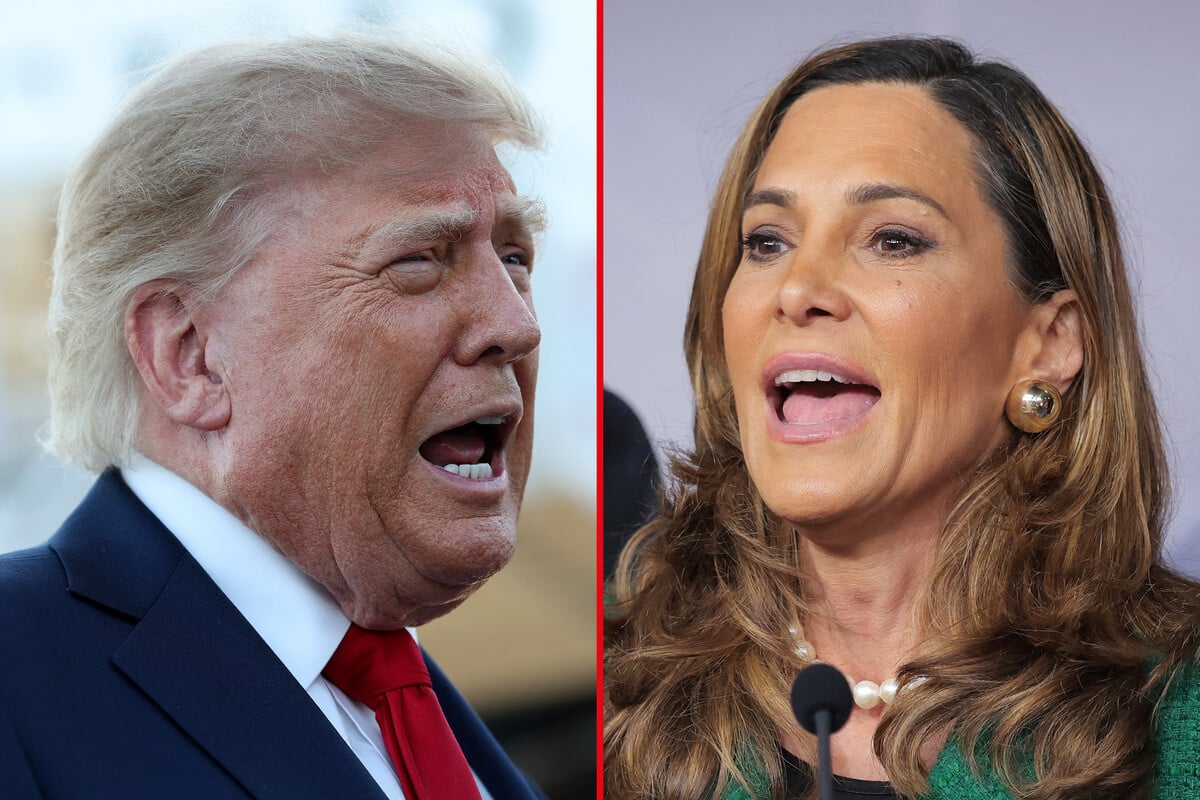
"The big thing is they hire our people," said Trump, while reiterating he remained firmly opposed to importing Chinese vehicles to the US from Mexico or other countries.
The groups thanked Trump for maintaining prohibitive tariffs on Chinese car imports, saying the decision is why the US, unlike Europe and other markets, "is not grappling with a massive surge in cut-rate Chinese vehicles."
But the auto lobbies, which also include suppliers and dealers, said in the letter that allowing China a foothold would damage domestic interests.

Trump says he'd "be okay" with China opening US factories
Unlike brands from Europe, Japan, and South Korea, which operate "on market principles," Chinese companies are state-backed and would weaken the domestic industry.
"Domestic assembly of Chinese vehicles doesn't resolve the connected vehicle security threat," the groups said.
"Even if built in the US, these factories would still rely on Chinese suppliers and Chinese components, and would be overseen by individuals with direct ties to the Chinese government. Chinese production in the US would bring fewer jobs and remain reliant on foreign supply chains.
"Localized Chinese production will not advance the administration's manufacturing jobs and national security agendas."