London, UK - The Church of England has insisted it has a "moral imperative" to address its historic links to trans-Atlantic enslavement as it plans to extend £100 million ($114 million) for reparations.
Church Commissioners – who are responsible for the management of the Church of England’s investment portfolio – said they remain "outraged" by the past links and the continued impact on people now.
The plan, which had proposed applying to the Charity Commission to register a "fund for healing, repair and justice," is currently subject to a legal challenge, documents published ahead of the Church of England’s General Synod stated.
A group of lawmakers and members of the House of Lords, the upper chamber of the British parliament, in December wrote to then-incoming Archbishop of Canterbury Dame Sarah Mullally urging her to stop the fund, arguing the endowment by law is supposed to be used to support parish ministry, maintain church buildings, and care for the Church’s historic records.

The announcement of the £100 million fund in 2023 was a specific response to what the group described as a "historic pool of capital tainted by its involvement in African chattel enslavement."
Known as Queen Anne’s Bounty – a fund used to supplement the income of poor clergy, it invested significantly in the South Sea Company, which trafficked and enslaved African people in the 18th century.
The fund also received numerous donations, many of which the church has said were likely to have come from people linked to, or who profited from, slavery and plantations.
In 2024, a report by an independent oversight group set a £1 billion target for the investment fund, deeming the initial fund and its nine-year timeframe too small and slow – saying the £100 million was "insufficient" to counter the "historic and enduring greed, cynicism and hate with penitence, hope and love."
It said: "The sum of £100 million is very small compared to the scale of racial disadvantage originating in African chattel enslavement."
The group said the Church Commissioners had "embraced a target of £1 billion for a broader healing, repair and justice initiative with the fund at its centre."

Church of England reparations project not "abandoned"
In written questions ahead of the York Synod which runs until Tuesday, one member asked whether what is known as Project Spire had been "abandoned"?
The Bishop of Norwich, Graham Usher, replying on behalf of the commissioners, said: "No. Project Spire has not been abandoned."
"Furthermore, we note that in March 2026, the United Nations voted to describe the trans-Atlantic chattel slave trade as the 'gravest crime against humanity.' This further re-emphasizes our moral imperative as a Christian, responsible investor to address the issue."
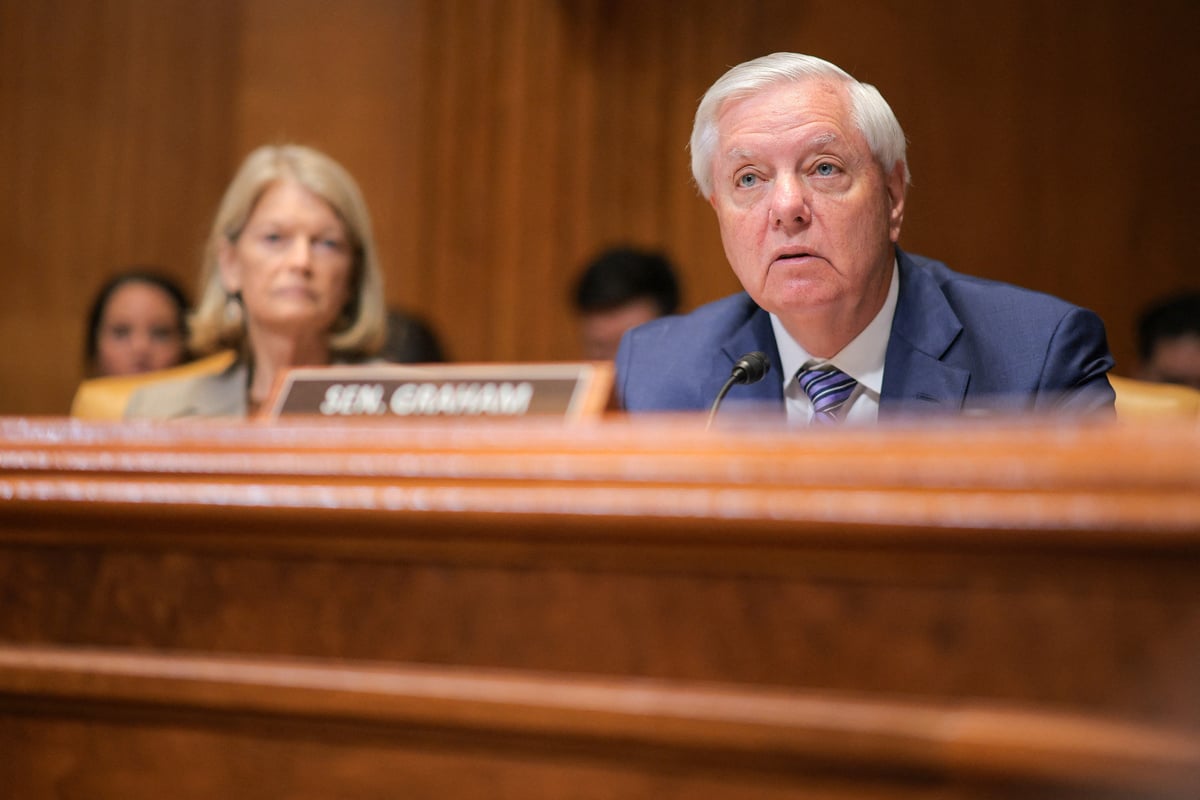
He added: "We continue to be outraged by our historic links to African chattel enslavement and our part in the responsibility for the enduring legacies of this abhorrent past that continue to affect the lives of people today."
He said the legal challenge was not unexpected and "must be respected, considered in a disciplined manner, and factored into our planned timetable for progress."
December’s letter from 27 parliamentarians led by shadow Home Office minister Katie Lam and with signatories including senior Conservatives Chris Philp, Claire Coutinho, and Neil O’Brien questioned the "evidential basis" of Project Spire.
They stated: "The Church has a long and complex historical record, one that includes both moral failures and courageous leadership in the abolitionist movement."
"To reduce this history to a simplistic narrative of guilt does a disservice both to truth and to the Church’s own legacy."
They urged Dame Sarah to send "a clear signal from you now that the focus of the Church under your leadership will be the strengthening of parishes, not the pursuit of high-profile and legally dubious vanity projects," saying this would "reassure the many worshippers, clergy, and members of the public who have contacted us with their concerns."