


"Reparations requires receipts": Dr. Marcus Anthony Hunter on truth, repair, and countering the politics of cruelty
After California passed historic legislation requiring corporations to disclose their ties to enslavement, author and advocate Dr. Marcus Anthony Hunter spoke with TAG24 NEWS about developments in the reparations movement – in the Golden State and around the country.
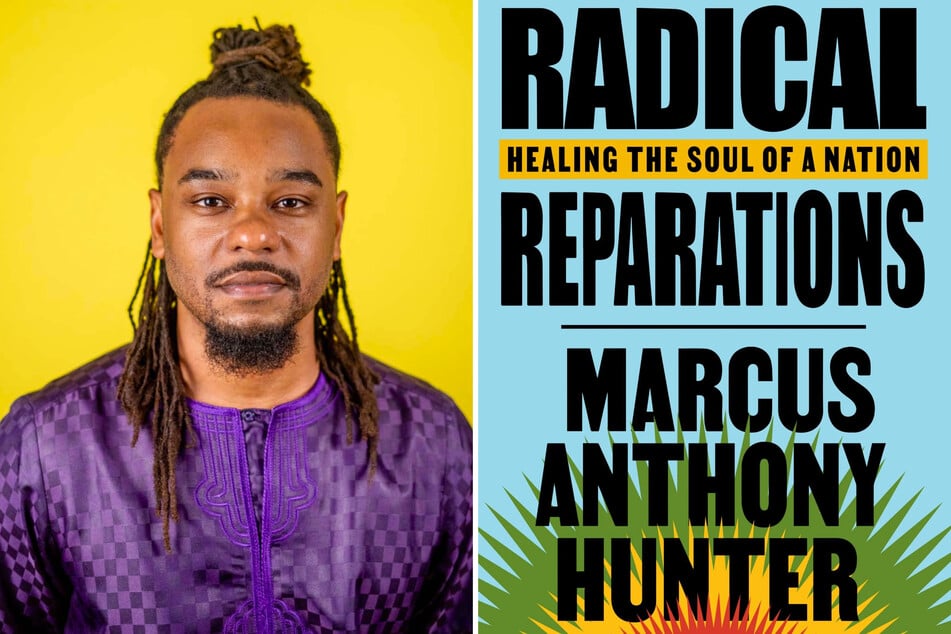
"For generations, we discussed the people who were enslaved and the descendants who inherited the consequences, but we've devoted considerably less attention to the corporations and institutions that accumulated wealth from slavery," Hunter, the Scott Waugh Endowed Chair in the Division of the Social Sciences at UCLA, told TAG24 NEWS.
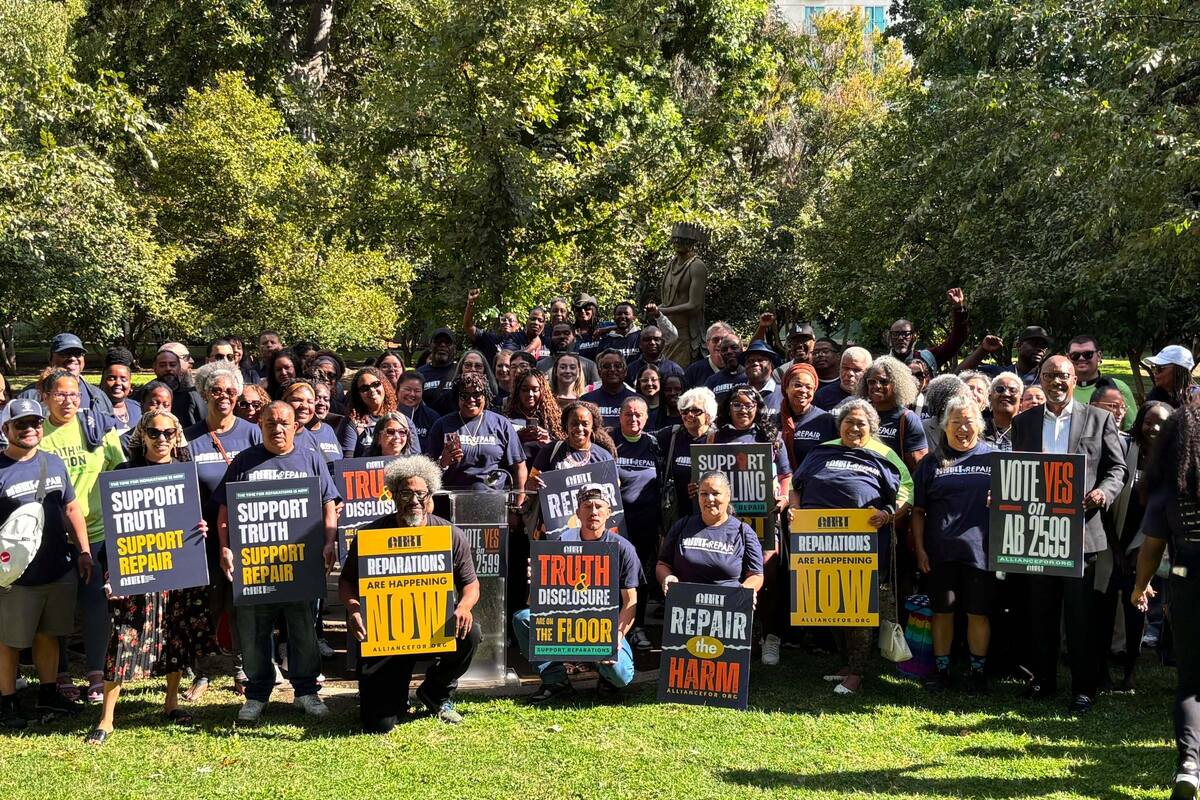
In late September, California Governor Gavin Newsom took a historic step to close that gap by signing AB 2599 into law.
Also known as the Truth in Disclosure Act, the law will require major corporations and contractors seeking to do business with the state to submit affidavits, under penalty of perjury, disclosing any past ties to enslavement. It applies to companies that were in existence – or whose predecessors were in existence – on or before December 31, 1964, and have annual worldwide gross receipts exceeding $100 million.

The act also necessitates the creation of a public, digital platform for the records and affidavits.
"Once you begin to follow the money, the conversation changes. It becomes possible to identify particular institutions, particular transactions, and particular forms of accumulated advantage," Hunter explained.
"You cannot meaningfully repair what you are unwilling to reveal," he continued. "We need to see everything in order to know the work that we have to do."

The importance of truth-telling
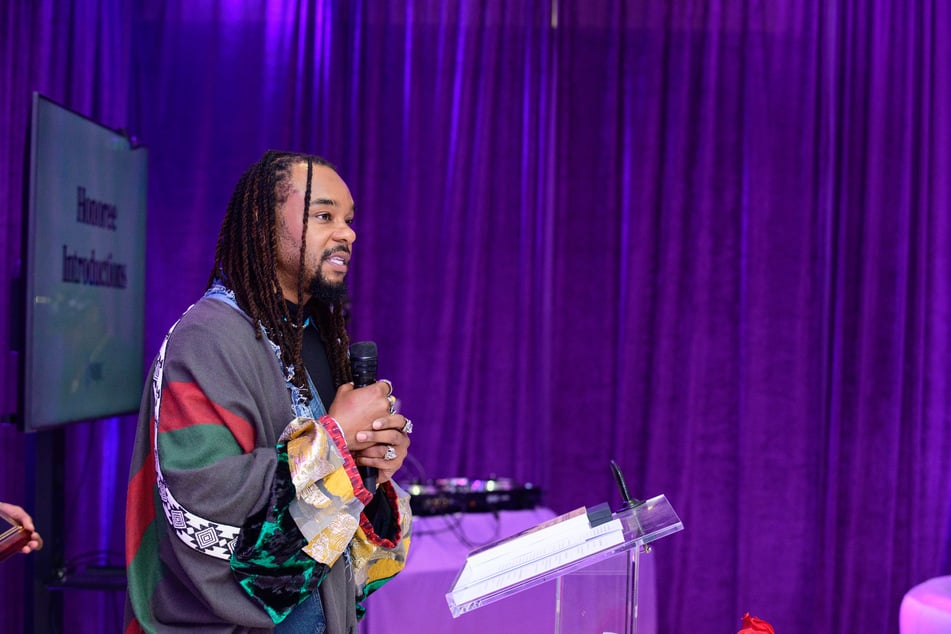
For Hunter, repair involves a broad suite of policies to attend to the ongoing legacies of enslavement and racial oppression.
The sociologist was a key partner in legislative efforts led by former Congresswoman Barbara Lee to establish a federal Commission on Truth, Racial Healing, and Transformation (TRHT), a journey he chronicles in his book Radical Reparations: Healing the Soul of a Nation.
TRHT was inspired by the Truth and Reconciliation Commission formed in South Africa after the end of apartheid.

"We want to make sure that the truth is documented, that it is testified, reported, codified, and then memorialized in very appropriate ways, and at the same time that we see restitution and repair be an equal partner in that exercise," Hunter said of the American efforts.
Hunter believes reparations, while inclusive of cash compensation, is about more than a check. It will require undoing damaging myths and addressing the political, intellectual, legal, economic, spatial, social, and spiritual impacts of enslavement and discrimination.
"Slavery itself is a story. It was a story about there being white superiority, that there's a hierarchy, and that these Black Africans you might see are not people," Hunter said.
"You definitely need storytelling and frameworks that help us to get back to the idea that there’s no such thing as human hierarchy, that it was created to generate the vision and create a system where people were allowed to own other people and no one would think that was strange or weird or illegal."
"Reparations requires receipts"

California's AB 2599 marks an important – and long overdue – step forward when it comes to truth-telling and accountability.
As Hunter put it, "Reparations requires more than memory. Reparations requires receipts."
But even as Newsom signed the bill into law, he vetoed another measure that would have exempted any future reparations from California's personal income tax.
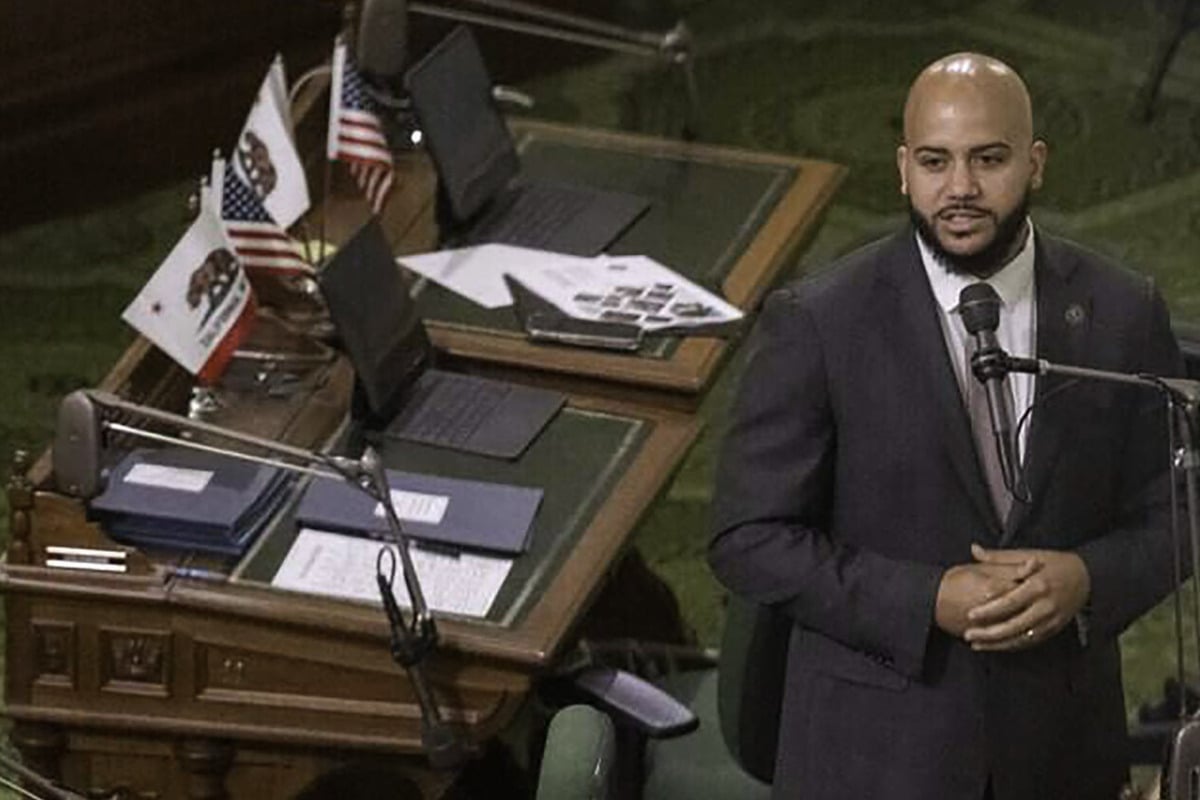
It's not the first time the California governor shut down a reparations policy that passed through the state legislature. Last year, he vetoed a bill which would have authorized public and private colleges to give priority admissions to descendants of enslaved people – an effort Hunter supported alongside Assemblymember Isaac Bryan.
Hunter described Newsom's track record on reparations as "hit or miss," which leads to feelings of "whiplash" among advocates.
Addressing the governor, Hunter said, "I say thank you for the support that he has provided, and he has stood in a place of leadership when many other governors across the country were not willing to do that. And also, that alone is not enough."
"That doesn't make you a hero. That just makes you a dutiful elected official that's just doing what the people want you to do, and the people wanted you to do more."
Reparations is "the opposite of cruelty"
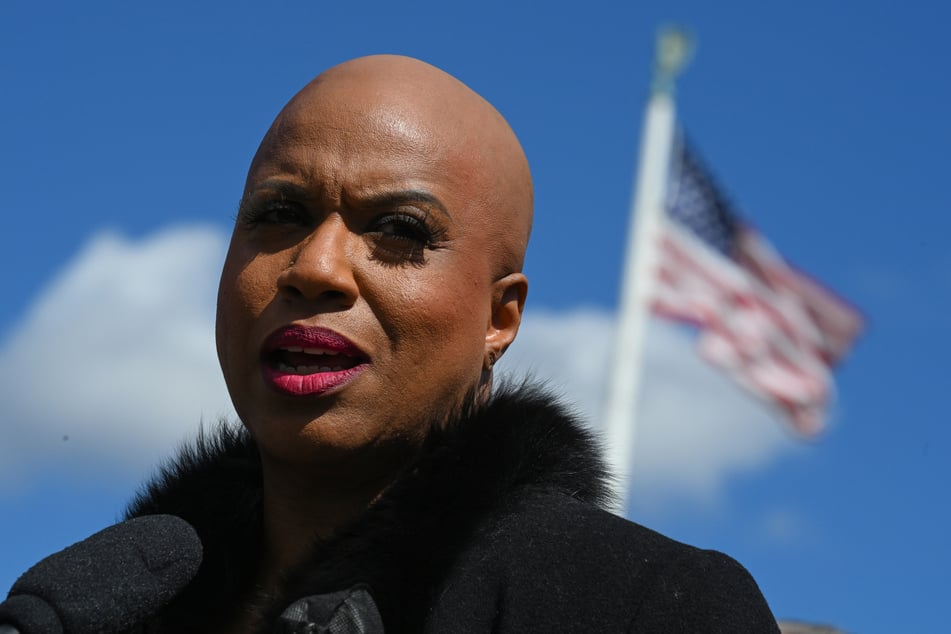
As states and cities around the nation take steps toward reparative justice, the second Trump administration has sought to halt their progress.
The Justice Department has joined a lawsuit targeting the first-in-the-nation reparations program in Evanston, Illinois. Its Civil Rights Division also threatened to take legal action after the release of a reparations commission report in North Carolina's Buncombe County.
The administration's attacks come as many Americans are experiencing skyrocketing costs of living, massive cuts to social programs, and record spending on wars and militarism – a kind of politics Hunter describes as one of cruelty.
Nevertheless, Hunter emphasized there are federal efforts underway which do not always get the attention they deserve. He highlighted Congresswoman Ayanna Pressley's Reparative Justice Legislative Agenda, which includes the reintroduction of HR 40 to create a federal reparations commission, as well as measures to address the denial of benefits to Black World War II veterans, the living legacies of the 1921 Tulsa Race Massacre, and other harms.
Such leadership signals a different path forward, one Hunter believes would bring the country toward a more just and inclusive future.
"We need to see folks who are taking up opportunities to try to be in these places of power to understand that we are looking for someone to be an alternative to the suffering and cruelty we have experienced," he said, adding, "The opposite of cruelty to me is reparations."
Cover photo: Collage: Courtesy of Dr. Marcus Anthony Hunter & Harper Collins Publishers