


US human rights advocates demand accountability as Trump administration skips UN review
Geneva, Switzerland - Although the Trump administration declined to participate in this year's Universal Periodic Review, American activists and advocates still traveled to the United Nations in Geneva to draw attention to the government's sweeping abuses.
Under the second presidency of Donald Trump, the US became the first country to withdraw from the Universal Periodic Review since its inception in 2008. The UPR is a process by which the Human Rights Council reviews the human rights records of all UN member states.
No official US delegation was present when the UPR Working Group was due to convene.
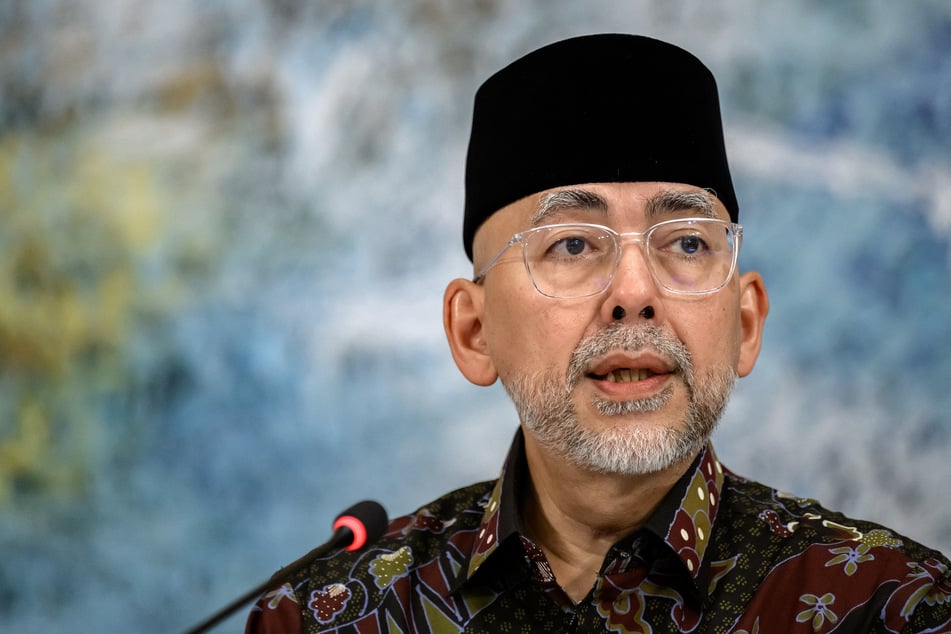
During an organizational meeting on Tuesday, UN Human Rights Council President Sidharto Reza Suryodipuro presented a draft decision calling on the US to "resume its cooperation with the Universal Periodic Review mechanism."
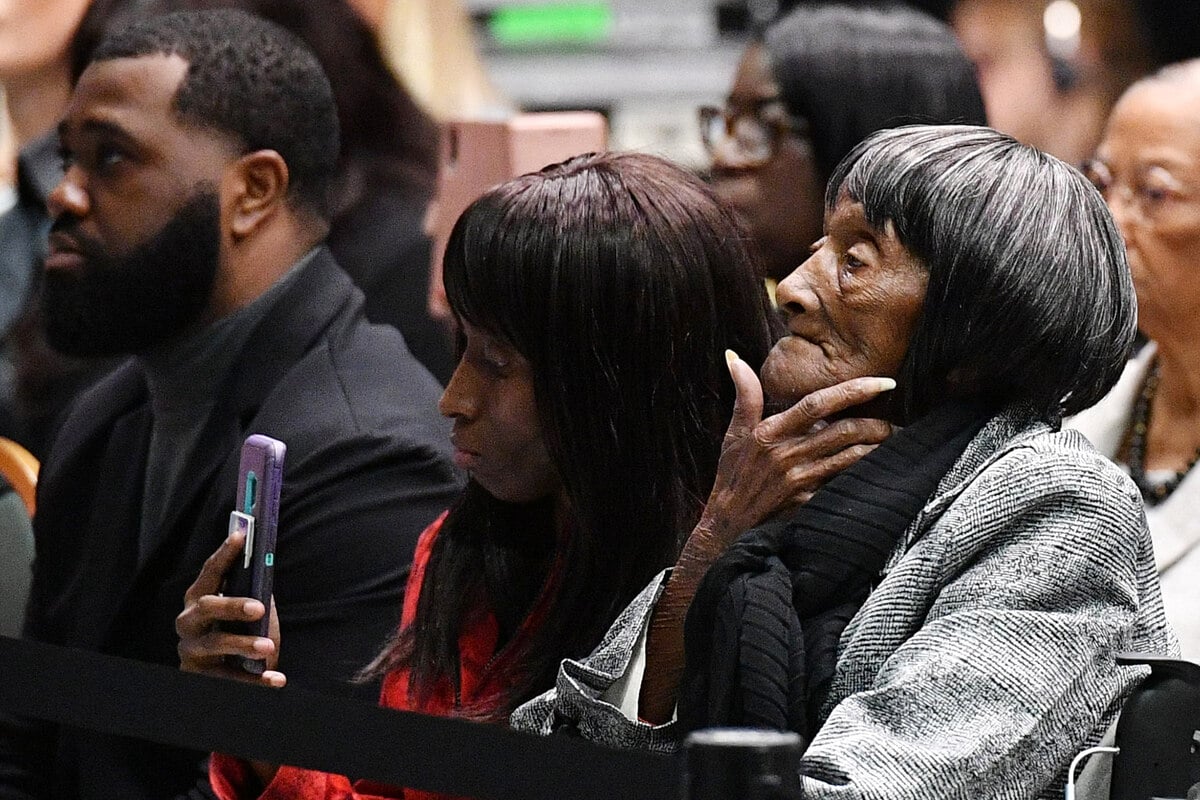
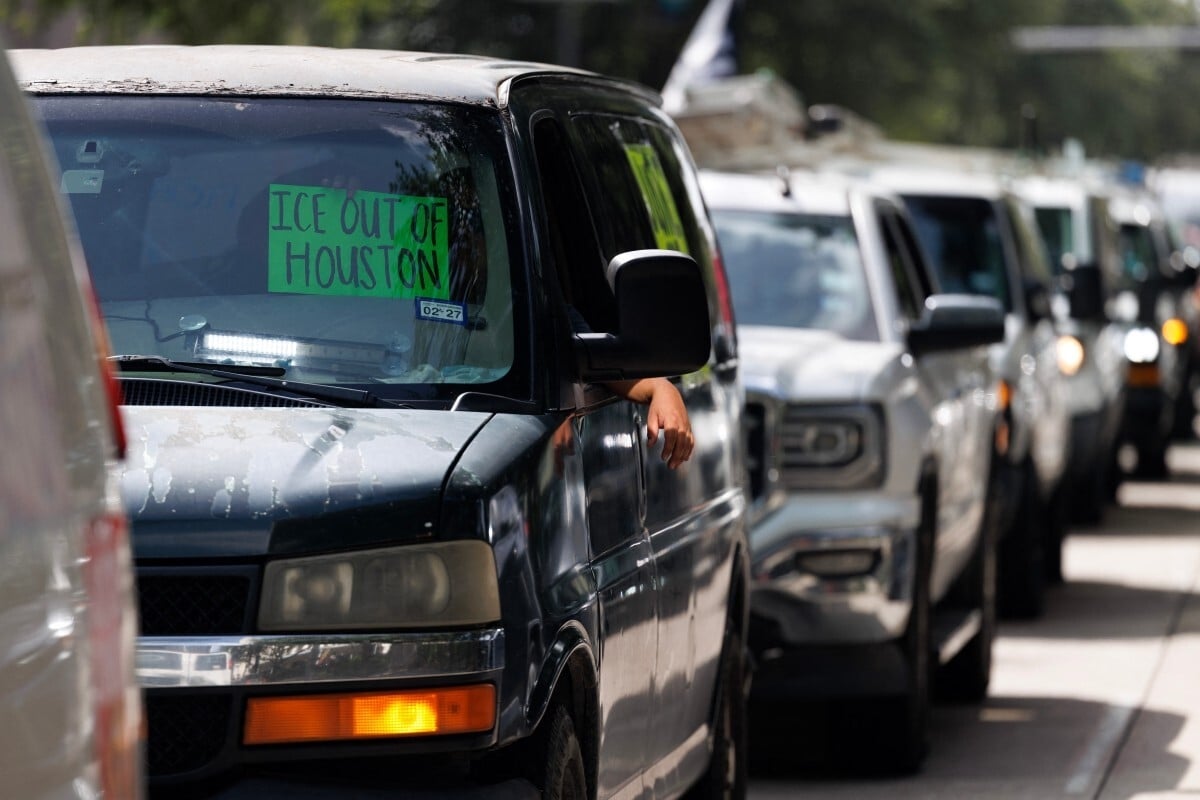
Though the US government was a no-show, civil society representatives did make the trip across the pond to speak to their own grave human rights concerns, ranging from the suppression of Palestine solidarity activism to mass incarceration, military aggression, and ICE violence.
At a side event before the meeting, speakers said these abuses are enabled by the US government's expansion of its terrorism framework as well as by a lack of accountability at the international level.
"As we look at today's current human rights crisis, we have to understand that it is built on decades of impunity," said Amanda Klasing of Amnesty International USA.
"International accountability mechanisms matter when domestic systems fail, and the fact that the US is failing to participate today in the UPR is just one indication of their desire to undermine the systems that might hold the US accountable."
Trump accused of "campaign of political terror"
Civil society representatives on Tuesday accused the Trump administration of attempting to stifle dissent by labeling people and groups critical of its actions as "terrorists" and subjecting them to heavy punishments.
In a video message from Texas' Johnson County Jail, Sarah Batten described their conviction and sentencing as "part of a larger campaign of political terror by the Trump administration."
Batten was among those arrested in an anti-ICE protest at the Prairieland Detention Center in Alvarado, Texas, on July 4, 2025, and dubbed "Antifa terrorists" by the Department of Justice. They have been handed a 50-year prison term.
"Experts warn this will have a chilling effect on what is supposed to be a constitutionally protected activity, and it seems to me that this is entirely the point," Batten said.
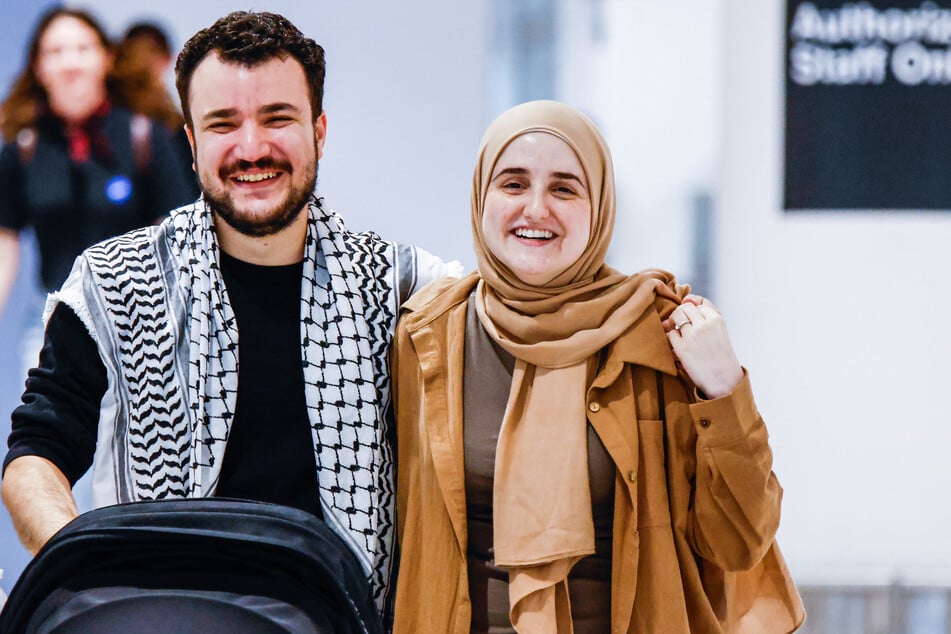
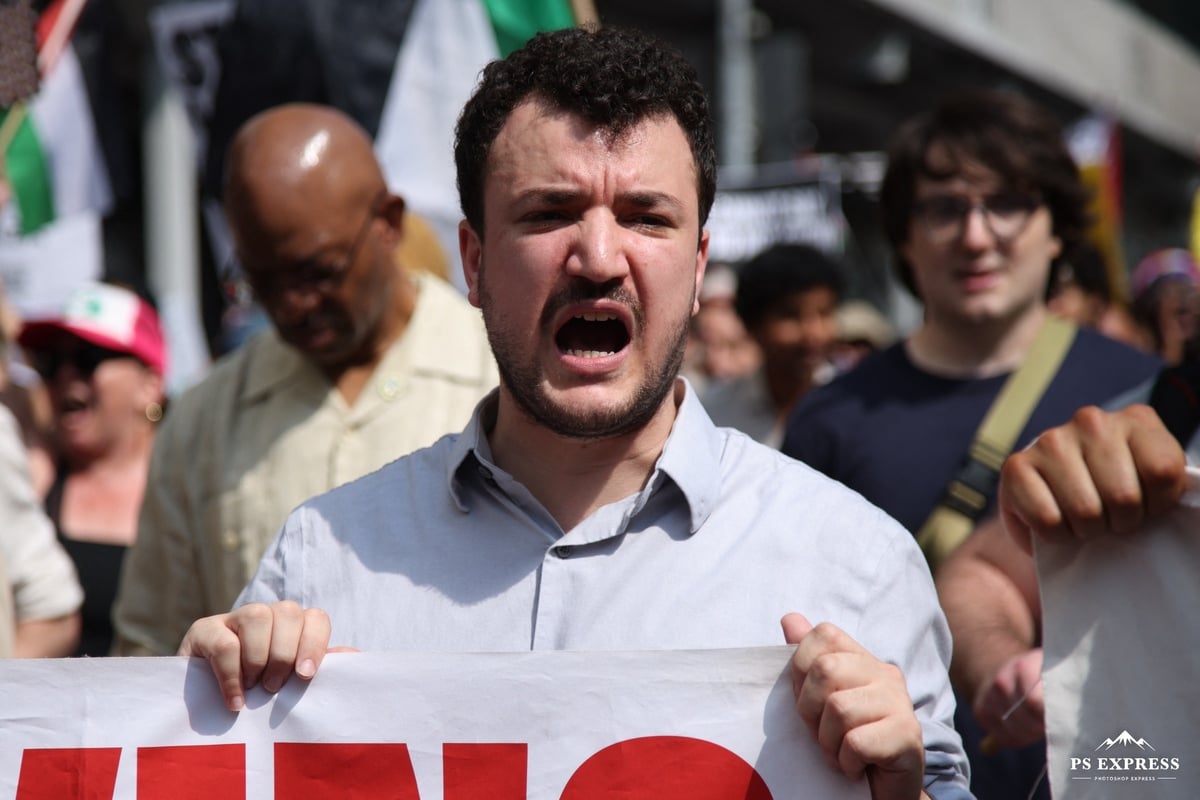
Dr. Noor Abdalla knows firsthand the devastating effect of such attacks on free speech and protest rights.
Abdalla is the wife of Mahmoud Khalil, the Columbia University graduate who was targeted for deportation due to his Palestinian rights activism. He spent more than 100 days behind bars at the Central Louisiana ICE Processing Center and missed the birth of his first child.
"We have this idea of the United States, as imperfect as it is, there are at least these constitutional rights that we have as citizens and as non-citizens, but we are seeing the Palestine exception," Abdalla said in Geneva on Tuesday.
Khalil is currently taking his legal battle to the Supreme Court. As her family continues to fight a removal order, Abdalla drew attention to people still in US immigration detention, many of whom are afraid to speak out and share their stories.
"We can talk about the politics of it and the policies, but there are also families and people that are behind all of these stories too," Abdalla said. "It's a trauma that's going to be carried on for generations."
Terrorism as a "political framework"
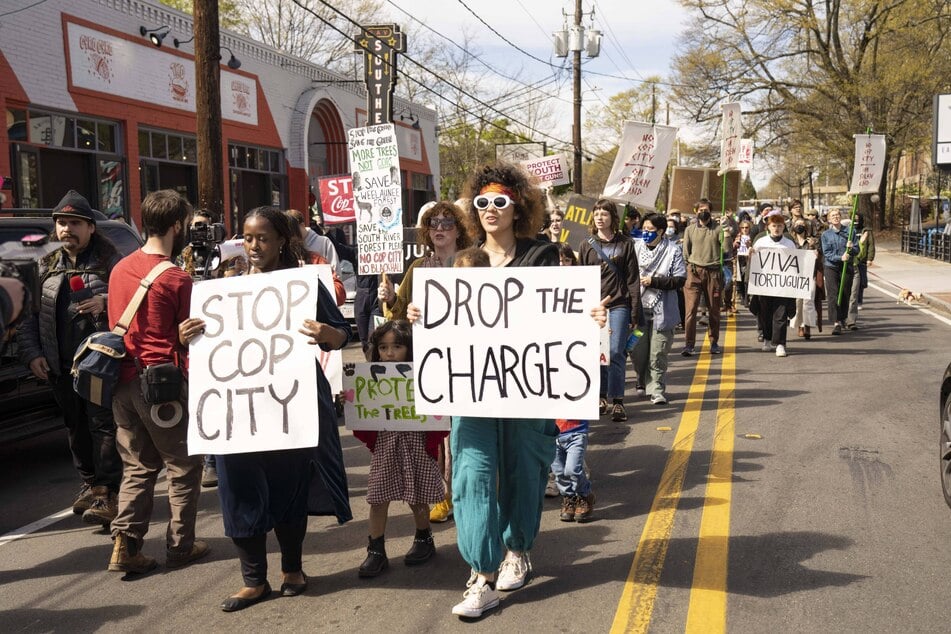
Though Trump has intensified efforts to expand his executive power, invoking national security to stifle dissent is not unique to his administration.
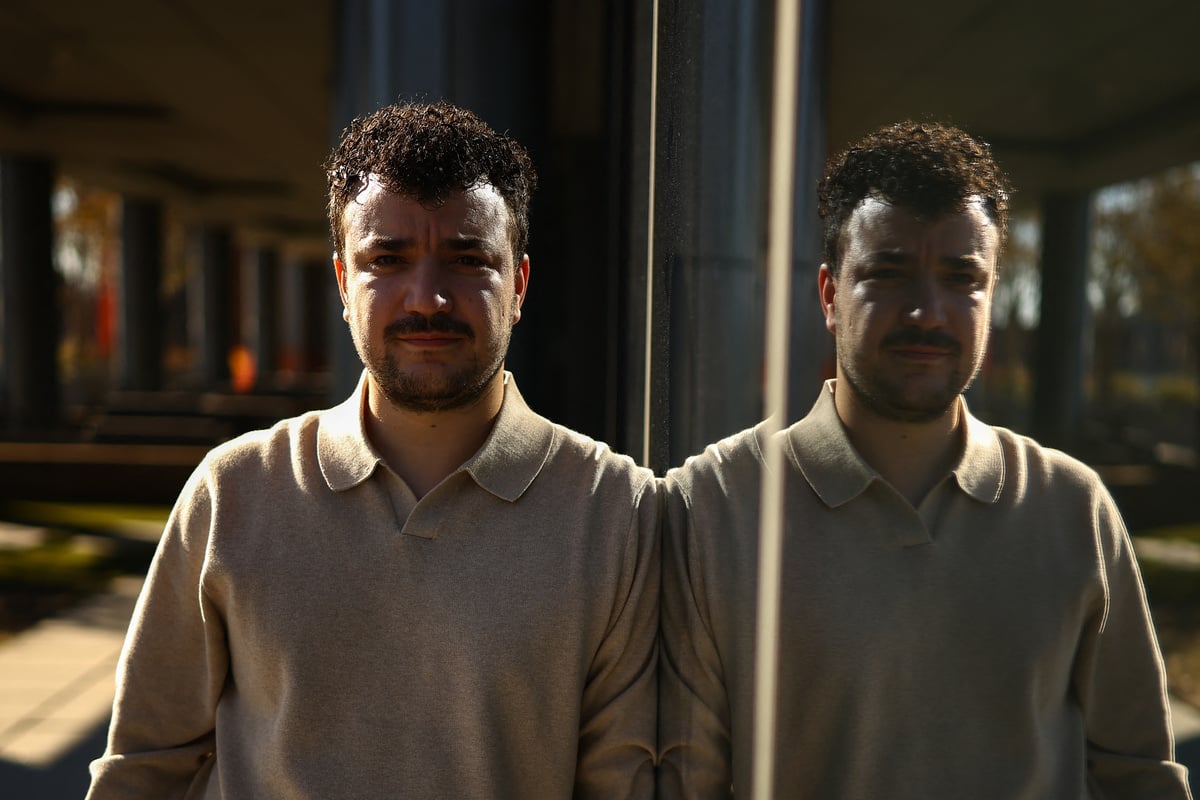
Joel Pruce of the University of Dayton Human Rights Center highlighted the Stop Cop City movement, which saw dozens of activists hit with domestic terrorism and racketeering charges back in 2023 over their efforts to block construction of a massive police training complex in Atlanta's Weelaunee Forest.
"The criminalization of dissent and the domestic terrorism charges were never about public safety and never about law and order," Pruce emphasized. "It was always about cracking down on any community that challenges the police state or puts themselves in harm's way to protect the environment as the forest defenders were doing."
The counterterrorism justification to target dissenters goes back decades earlier.
"Terrorism is a political framework specifically designed and rooted in attempts to criminalize, dehumanize, and quash anti-colonial movements and movements of people demanding the right to self-determination," said Brad Parker of the Center for Constitutional Rights.
Parker noted that the earliest mention of "terrorism" in a federal statute was in 1969 and concerned restricting humanitarian aid to Palestinians.
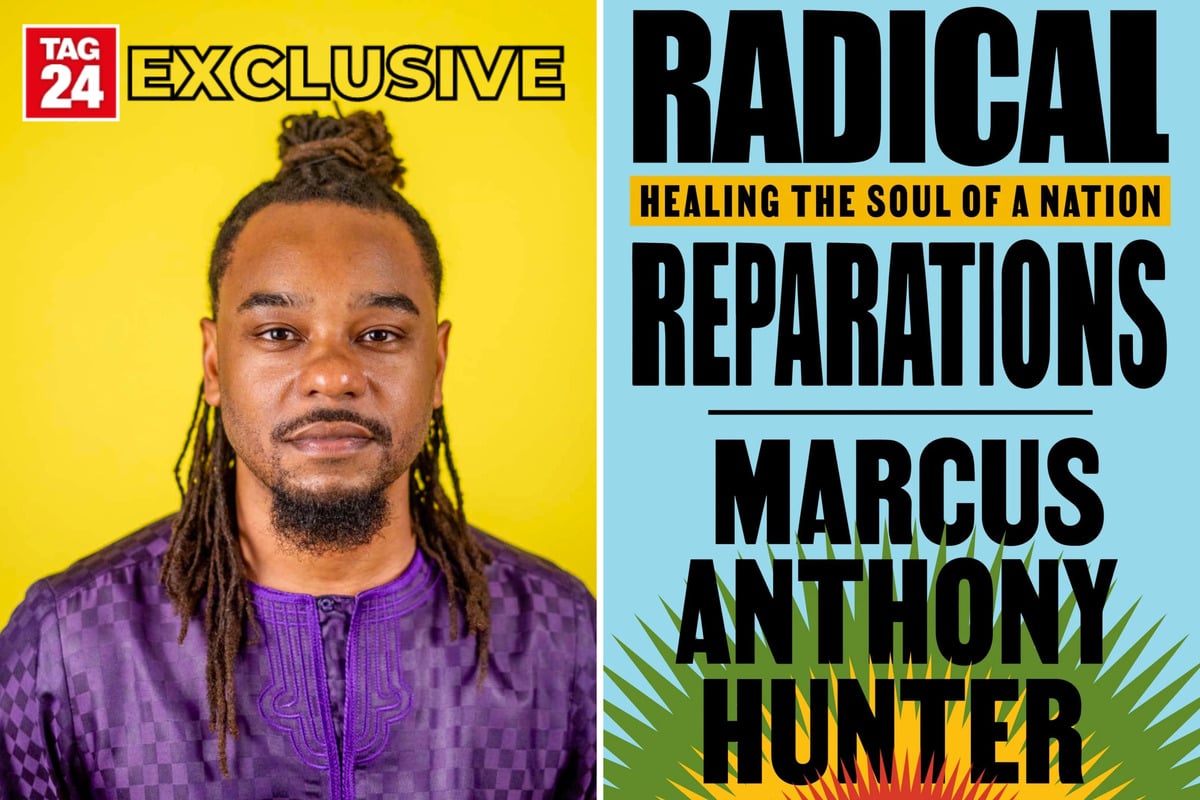
Robert Saleem Holbrook, executive director of the Abolitionist Law Center, also pointed to the FBI's COINTELPRO program, initiated in 1956 to target individuals and groups it deemed subversive, including Black people asserting their civil and human rights.
"Based on this historical context, we also understand counterterrorism as not responding to political enemies but rather the means by which the state creates them," Parker said.
"We're not going back"
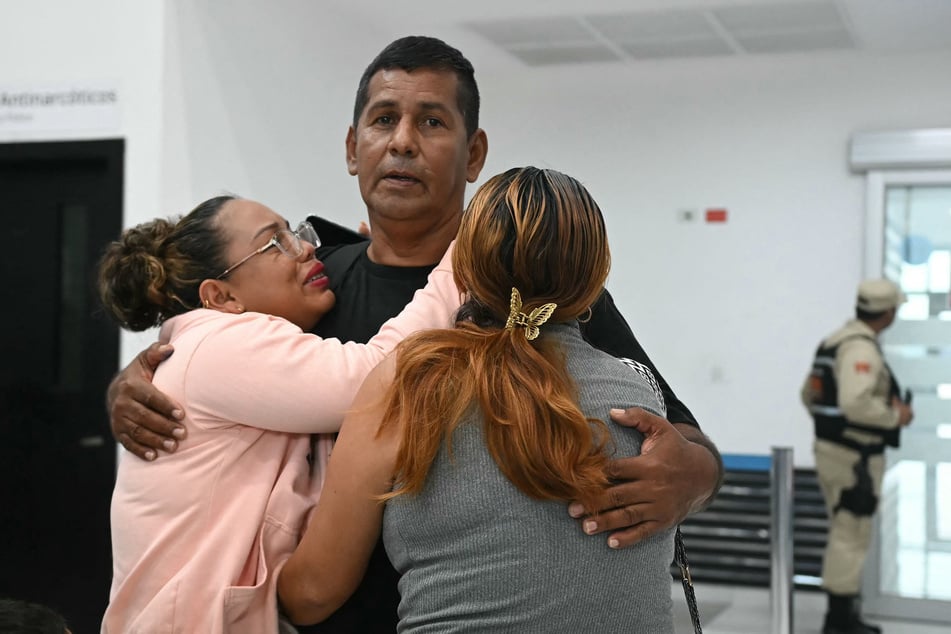
Panelists on Tuesday stressed the urgent need to hold the US accountable for its violations of international law, and cautioned that failure to do so would only lead to further harms.
Klasing pointed to the US military's lethal boat strikes in the Caribbean and Eastern Pacific, which have killed over 240 people to date. The Trump administration has sought to justify the attacks by claiming it is at war with narco-terrorists.
Klasing described the killings as "100% by design a policy of murder" with the intent of expanding the use of lethal force by the executive branch.
"The risk, of course, is that that will go from being lethal strikes in the Caribbean to lethal strikes elsewhere, including within the domestic jurisdiction of the United States as we continue to hear invasion language," she said.
Parker echoed her concerns: "The real challenge is in a context of impunity, there's nothing to prevent these tools, these tactics, these legal structures from essentially going after anybody, at any time, for anything."
Holbrook, nevertheless, sees the current moment as one of danger, but also of opportunity.
"If this motley crew can get in and do what they're doing, then there's a world where we can get into power and create the kind of society that we want to live in," he insisted.
"The genie is not going back in the bottle," Holbrook continued. "We're not going back. The genie is not going back. And I think that we have to aggressively fight for the world – and actually just the neighborhood – that we want to live in."
Cover photo: Collage: KENA BETANCUR / AFP, ARIEL OCHOA / AFP & IMAGO / Anadolu Agency