


Harvard announces controversial new measures to tackle grade inflation
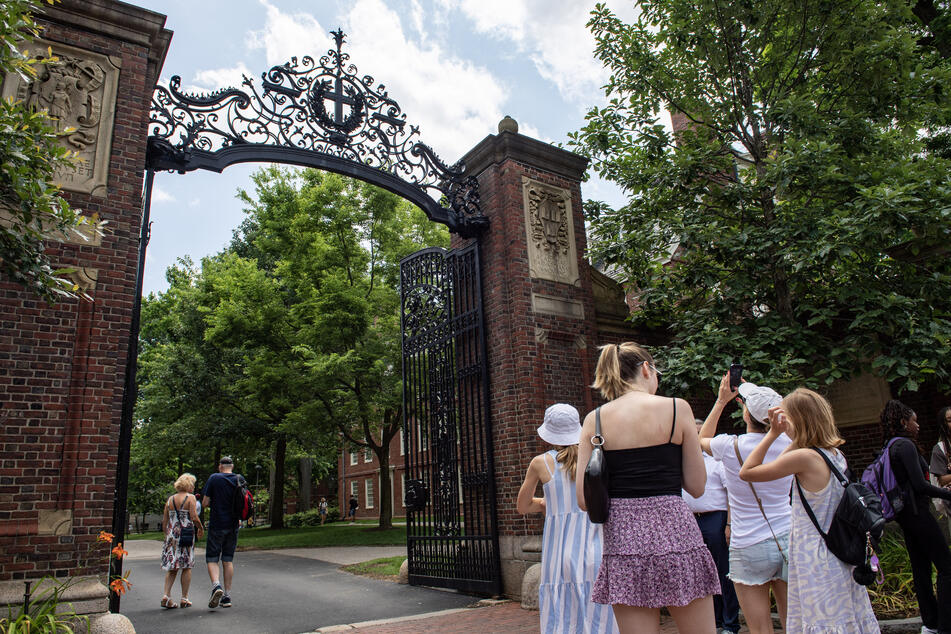
Cambridge, Massachusetts - Harvard announced Wednesday it will limit how many top marks professors can give undergraduate students in a move to fight grade inflation.
Some people worry that an A in higher education, meant to reward outstanding work, loses meaning if most students get one as a matter of course.
With this kind of inflation, A grades say less to employers and graduate school admissions officers as indicators that a student is an appealing prospect, critics say.
The new grading system – voted on by professors in recent days and announced Wednesday – works like this: in a given course a teacher can award an A to no more than 20% of the students, with an allowance for up to four extra A's.
There is no limit to scores of A minus or lower in the new system, which is scheduled to take effect in the academic year starting in the autumn of 2027, Harvard said.
Faculty members voted 458 to 201 to use the new grading scheme.
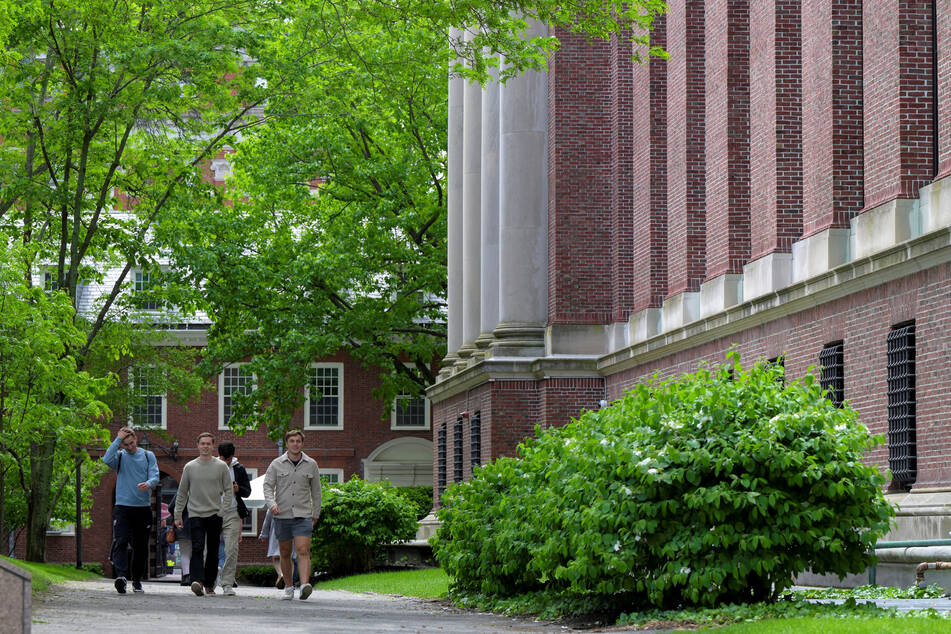
In the 2024-2025 academic year, about two thirds of the grades handed out to undergraduates at Harvard were A's, according to the student handbook.
This new system will bring that ratio down to 2010 levels, when a third of grades were A's, the Harvard Gazette student newspaper reported.
Students oppose grading rule changes
Faculty members released a statement welcoming the change.
"This matters for our students above all. A Harvard A grade will now tell them, as well as employers and graduate schools, something real about what a student has achieved," the statement said.
But students do not like the idea, with 85% saying they oppose the new system in a poll carried out in February, according to the newspaper.

"This is a consequential vote," said Amanda Claybaugh, the dean of undergraduate education.
"It will, I believe, strengthen the academic culture of Harvard; it will also, I hope, encourage other institutions to confront similar questions with the same level of rigor and courage."
Other top universities, such as Princeton and Cornell, have also tried to tackle grade inflation in the past but in some cases gave up amid opposition to such a reform.
Cover photo: JOSEPH PREZIOSO / AFP