Washington DC - A federal appeals court on Tuesday questioned whether the US military went too far in labelling AI company Anthropic a national security threat, as it heard arguments in a case that could reshape how the government deals with Silicon Valley.
The dispute began in March when Defense Secretary Pete Hegseth declared Anthropic – maker of the Claude AI model – a "supply chain risk," canceling its military contracts and barring other Pentagon contractors from using its technology.
The military had been using Claude across a range of classified and sensitive systems. According to reports by the Wall Street Journal and Axios, that included during the January operation that captured Venezuelan leader Nicolas Maduro.
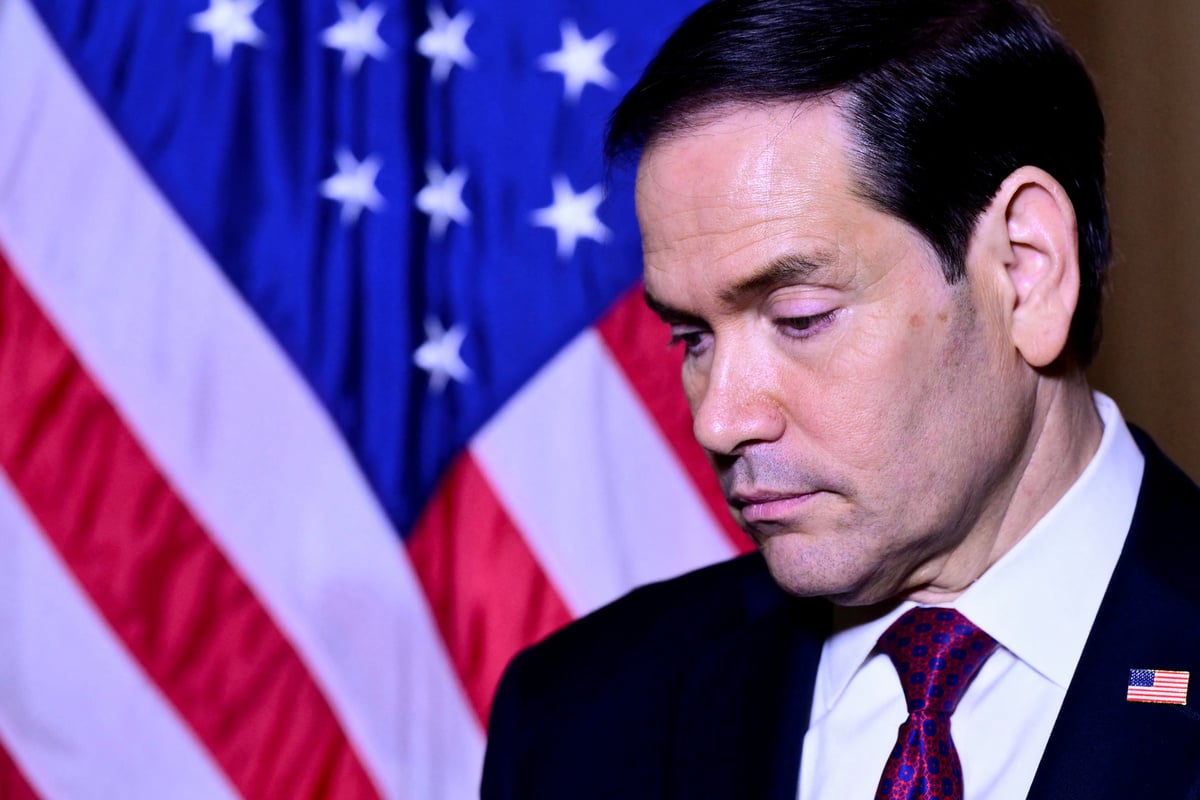
Anthropic says the designation was illegal retaliation after the company refused to change its internal policy prohibiting the use of Claude for lethal autonomous warfare or mass surveillance of Americans.
One judge on the three-judge panel firmly criticized the designation.
"I don't see any evidence that the department has in any way supported its determination that there is a supply chain risk with Anthropic, much less a significant supply chain risk," said Judge Karen Henderson, calling the government's move "a spectacular overreach."
Anthropic's lawyer told the court the government's case was built on a key misunderstanding – that Anthropic could secretly reach into military systems and switch off Claude during active operations. The government has since dropped that argument.
But the government's lawyer, Sharon Swingle, said the real concern was different: Claude has built-in limits on what it will do, and those limits have caused the AI to stop working at critical moments without warning.
The model's design and "guardrails have caused the AI model to fail in real time without the government knowing about that until the point of failure," she said.

Anthropic fights against Pentagon's blacklisting
Judge Gregory Katsas pushed back on Anthropic, suggesting the military had legitimate reasons not to trust an AI that might refuse certain orders on a battlefield.
Anthropic's lawyer said the government was free to stop buying Claude, but using an official national security blacklisting, with all the reputational damage that carries, was a step too far when simpler options were available.
A ruling is expected within weeks. A related case is also moving through the federal courts in California.