


Trump food aid cuts leave Americans struggling and angry: "They don't care about us"
Tucson, Arizona - Christine, a retired widow in Arizona, placed food staples in her cart at a charity food distribution event – as she's had to do monthly since the Trump administration slashed federal food assistance programs.
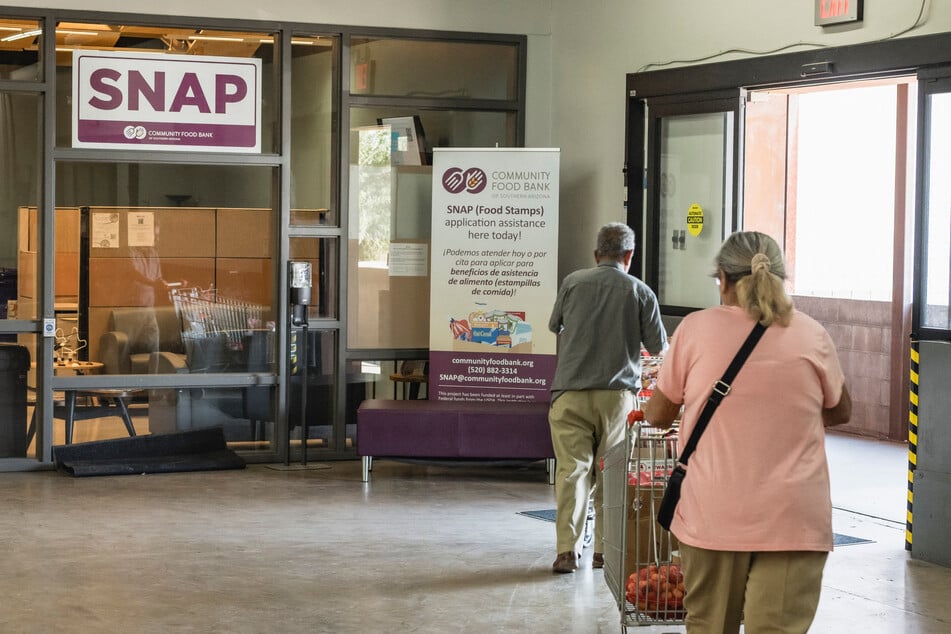
"It's just been hard. It's been really raw," the 67-year-old told AFP, declining to give her family name so that two children she cares for, ages nine and 13, would not discover how the refrigerator is stocked.
Until last year, Christine relied on the food assistance program known as SNAP.
The few hundred dollars a month credited to a card she could use at supermarkets allowed her to supplement her modest retirement funds and keep her family afloat.

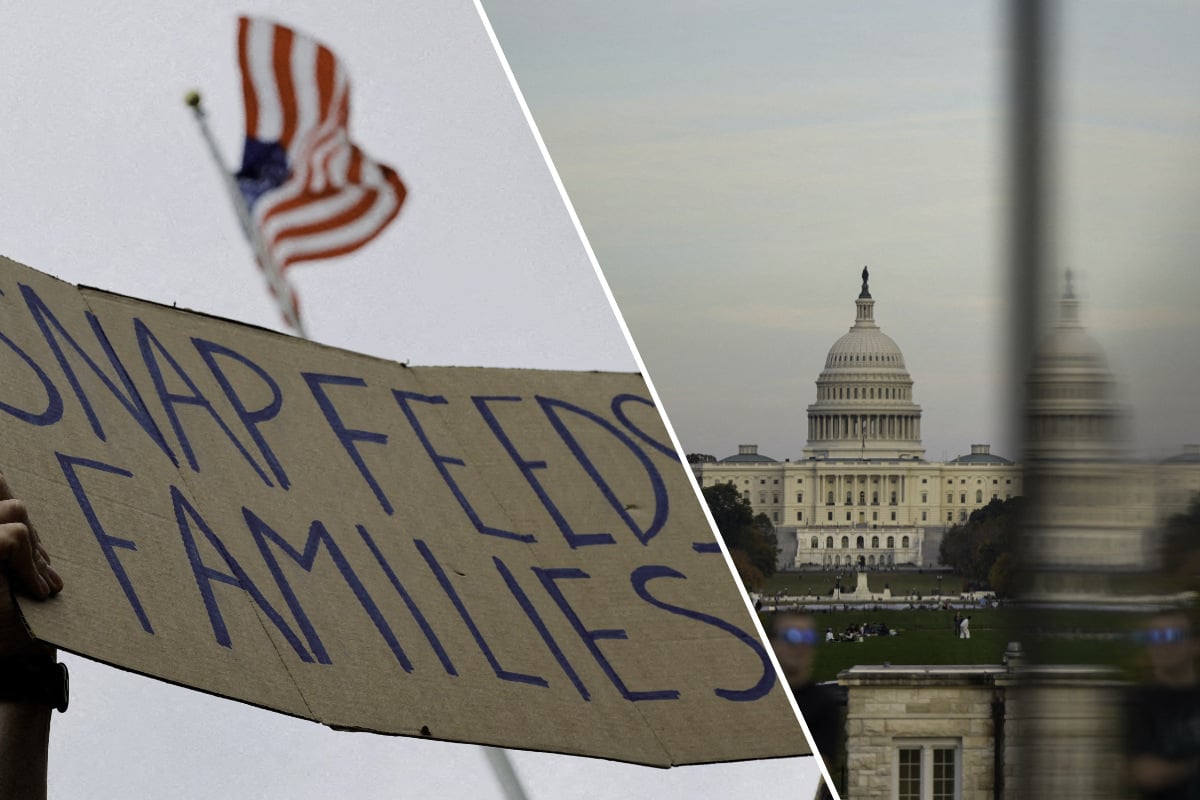
But in January, many people saw this critical support vanish as cuts mandated by a major budget law championed by President Donald Trump went into effect.
The result: Five million Americans lost access to the program.
"They don't care about us," Christine said, her eyes welling with tears. "The Trump administration doesn't look out for the little people."
Half of her retirement check goes to her rent.
And persistent inflation – fueled by the president's war on Iran, which has sent gas prices soaring – has proven disastrous for her.
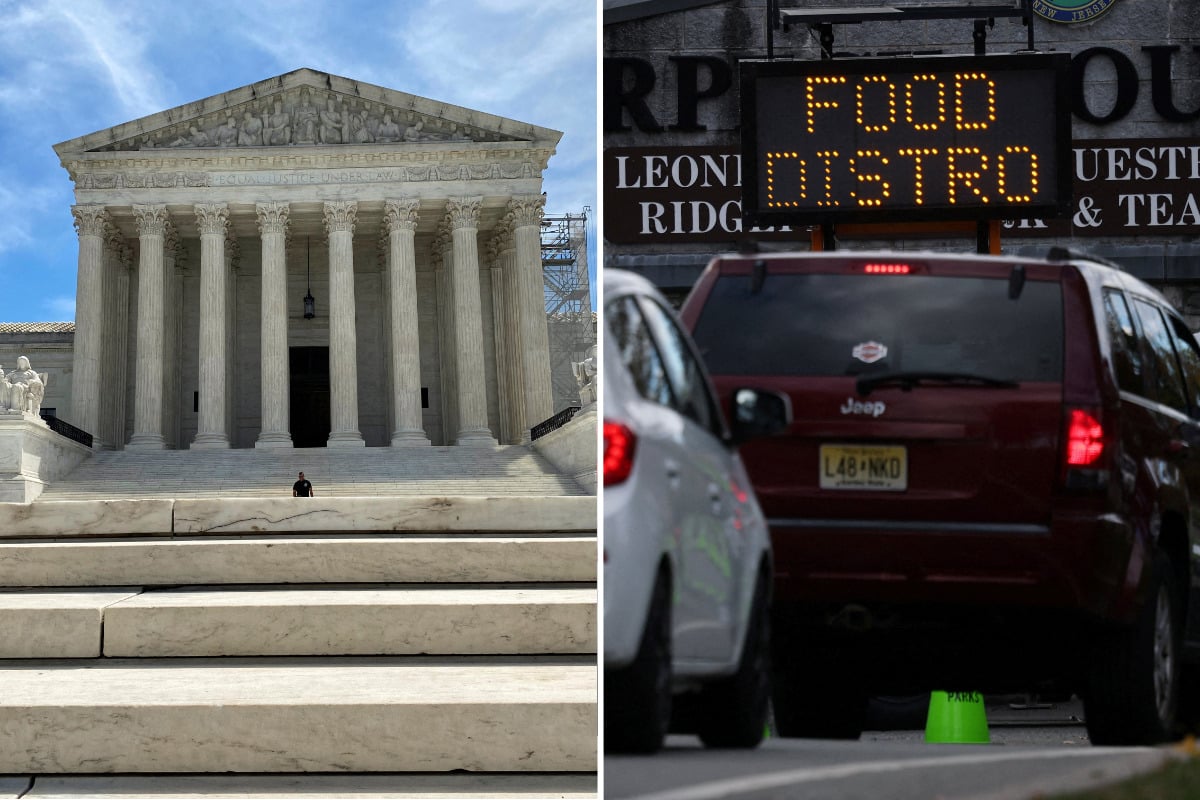
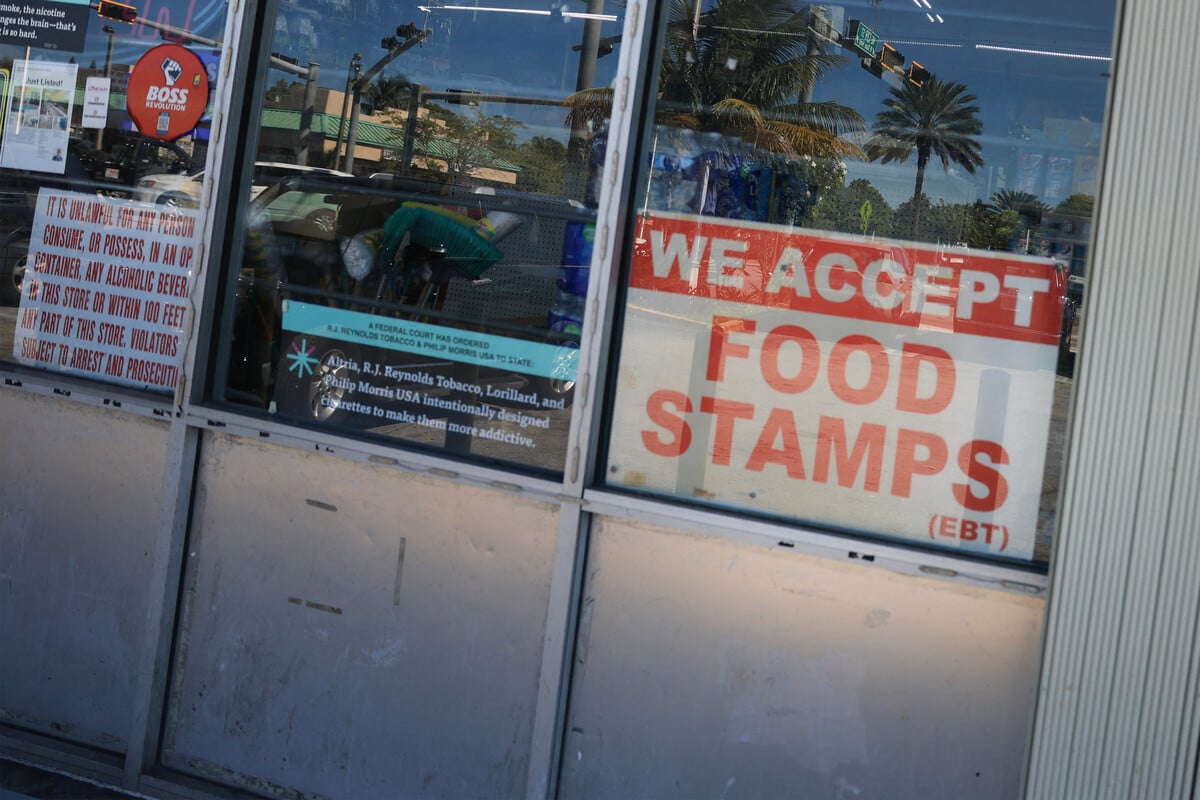
Food banks see massive influx amid Trump's federal cuts
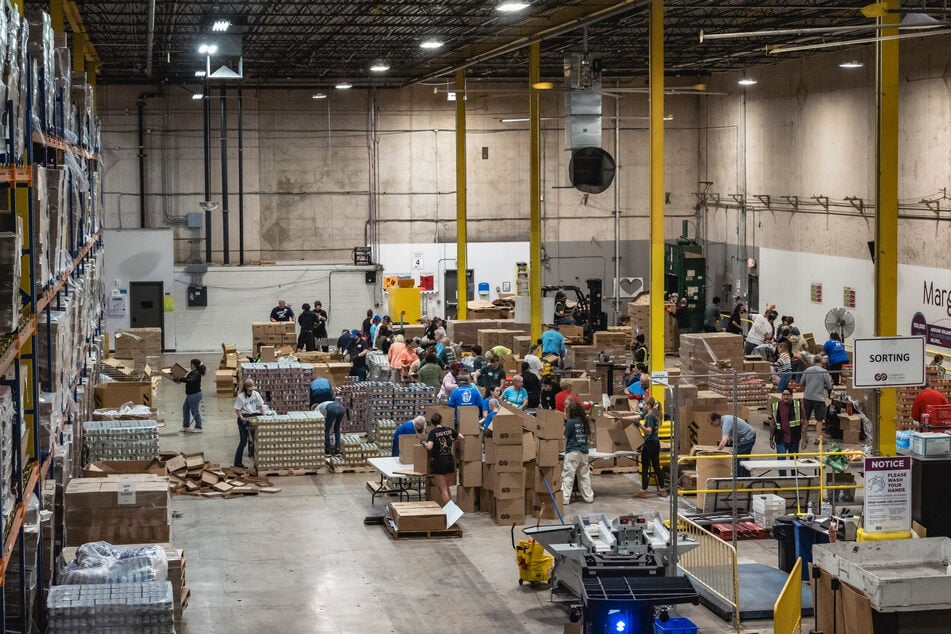
At the food bank, Christine filled her cart with beef, tomatoes, and zucchini.
Without this resource in the mid-sized city of Tucson, "we wouldn't be able to eat meat anymore," she said. "And we'd eat way less vegetables."
The southwestern state of Arizona has been hardest hit by cuts to SNAP. More than 465,000 beneficiaries, including 200,000 children, were stripped of program access.
The situation has fueled discontent that could influence midterm elections in the state, including two tight races for the House of Representatives, where the Republican majority is at risk.
"Many people are upset," said Natalie Jayroe, head of the Community Food Bank of Southern Arizona. "Even people that voted for the Trump administration."
Her network of food banks in the state's south is serving 50,000 more people than usual this year, an influx largely driven by the federal cuts.
"If these people come out and vote, it could make a difference here in Arizona," she said. "But the question is going to be, do they go to vote?"
Standing among crates of vegetables at the warehouse, Oscar Ochoa (65) fumed.
He too has lost access to food stamps, and is incensed he has had to come out of retirement to work as a bus driver.
The military veteran has already mailed in his ballot, and said he voted "blue all the way" – down the line for Democrats.
"He's a complete liar"
Ochoa said Trump's budget cuts only resulted in more wealth for the already rich, pointing out that the sprawling bill included tax cuts for billionaires.
It did not, he said, "benefit us poor people, or the average American."
In the district covering part of the Tucson area, Democrat JoAnna Mendoza is campaigning on the issue of affordability, emphasizing that she grew up in a family that relied on food stamps.
Her opponent, the incumbent Republican Juan Ciscomani, meanwhile, is distancing himself from Trump, promising constituents that he's "not a rubber stamp for anyone."
"He's a complete liar," said Angelica Garcia, a 45-year-old hotel receptionist.
During a brief period of unemployment this past spring, Garcia should have been able to quickly access SNAP benefits.
But due to the stricter eligibility checks, her application took more than two months to process.
During that time, her daughters – aged 14 and 22 – subsisted primarily on rice, beans, and pasta.
"I feel the Trump administration has put these walls in place for people to make it more difficult," she said.
Prior to the policy changes, Garcia leaned left but followed politics only from a distance. She didn't even know the name of her congressional representative.
Now she urges her neighbors to head to the polls on November 3: "We've gotta let our voice be heard.
Cover photo: OLIVIER TOURON / AFP