


California braces for Thanksgiving flooding amid triple threat of huge tides, El Niño, warm oceans
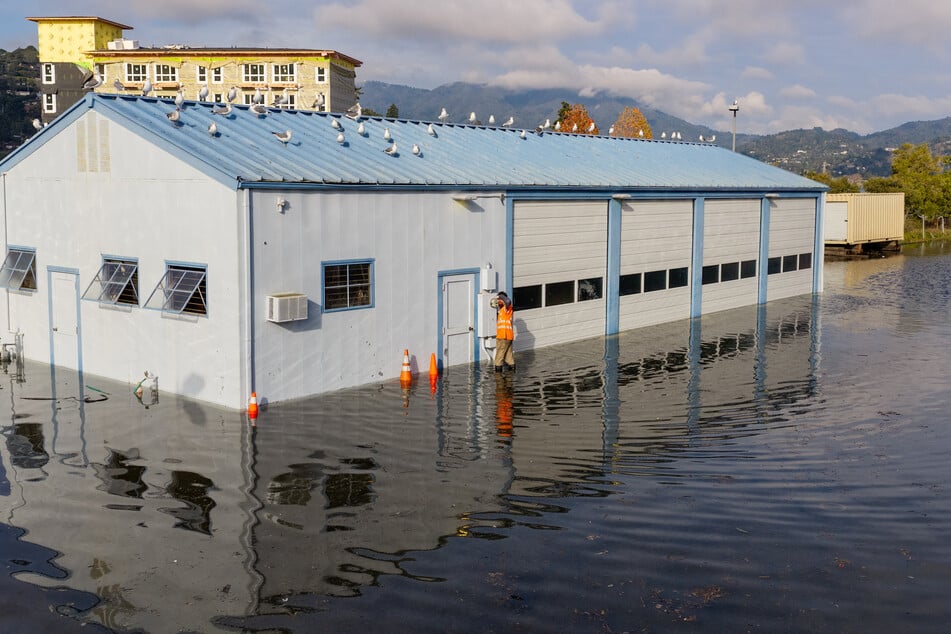
San Francisco, California - Exceptionally high tides and El Niño-fueled weather were threatening the California coast with possibly extreme flooding during the busiest travel week of the year.
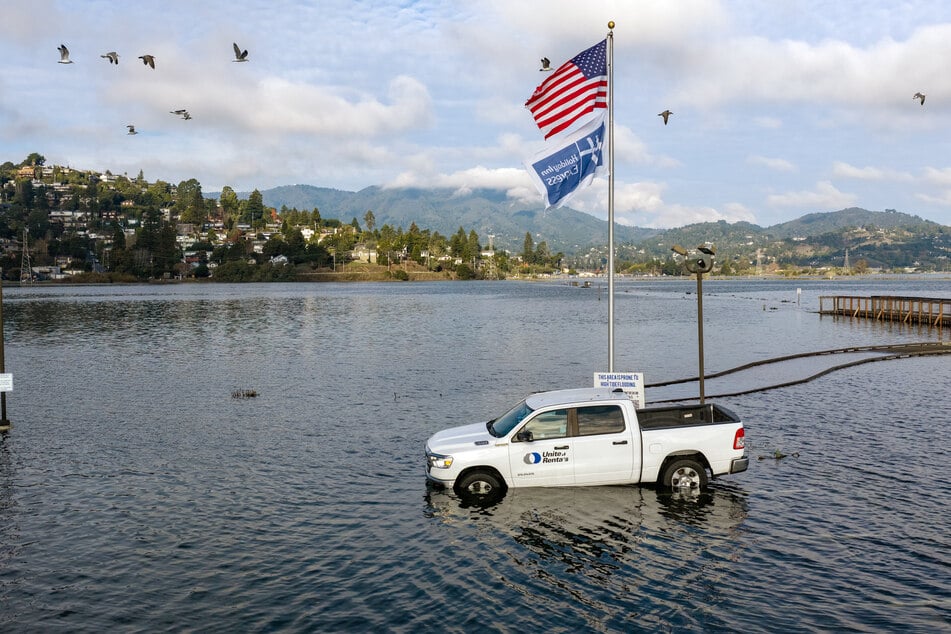
The San Francisco Bay Area is expected to get hit particularly hard with a one-two punch of inclement weather and monster tides, with forecasters warning that cascading seawater could deluge low-lying areas including the city's airport.
Authorities were, meanwhile, urging residents to reconsider travel plans for the Thanksgiving holiday.
San Francisco Mayor Daniel Lurie warned the situation was "extremely serious," and asked people to limit unnecessary travel.

The high tides were long-predicted: So-called king tides occur every year due to the gravitational pull and alignments of the Earth, Moon, and Sun. They will occur this week and again for periods in December and January.
This time around, the powerful tides – in San Francisco, they are predicted to approach or even exceed the more than 40-year-old record of 8.66 feet – are arriving on top of already record-warm ocean waters.
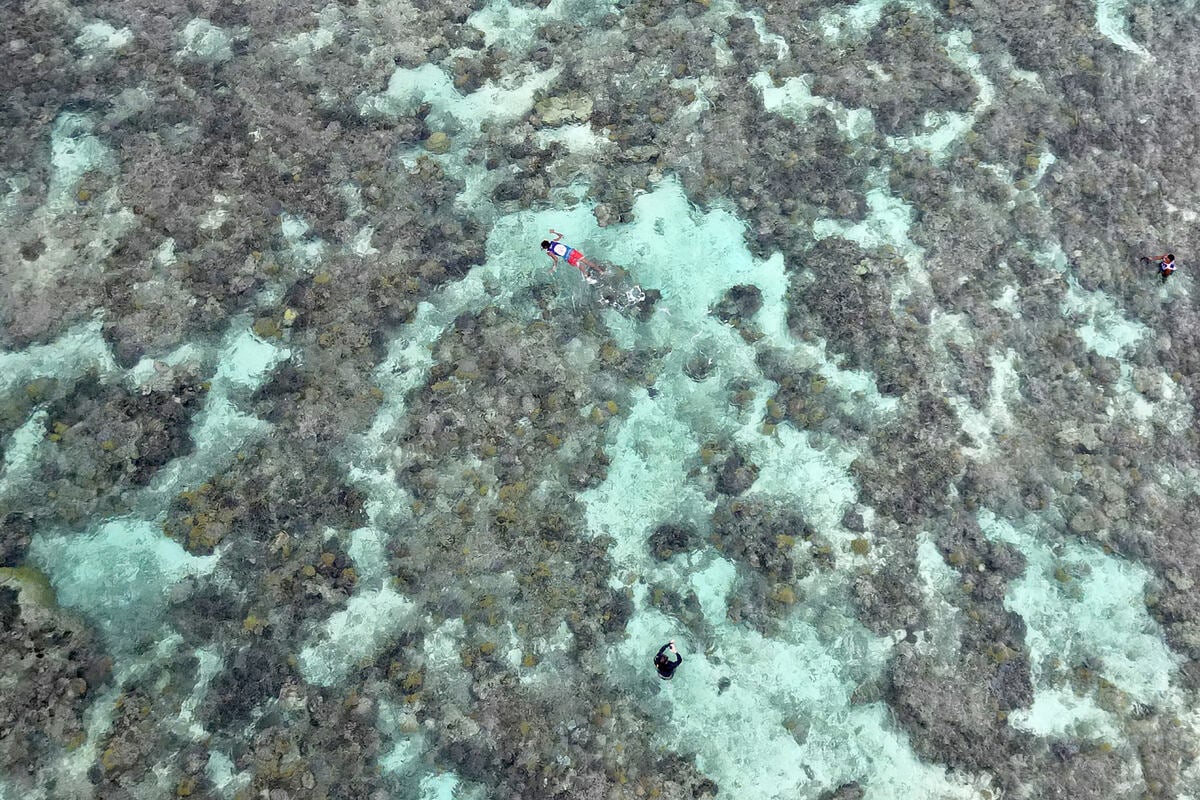
The ocean is hotter than usual – and thus increasing in volume – both due to human-caused climate change and this year's exceptionally strong El Niño weather pattern.
The ocean warming phenomenon in the central and eastern equatorial Pacific has already altered weather around the world, resulting in devastating droughts and wildfires.
Dial Hoang at the National Weather Service (NWS) told AFP the Bay Area could see up to nearly three feet of flooding when the tides peak Wednesday.
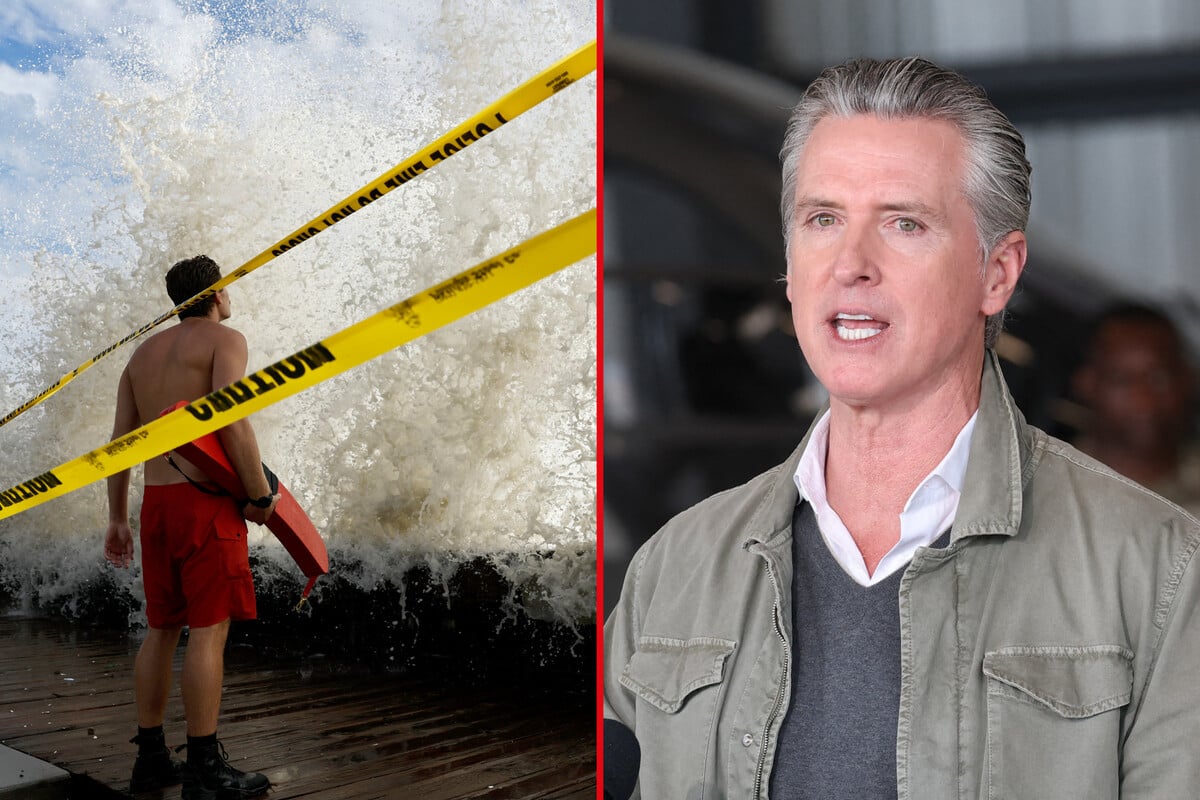
The agency said in its latest bulletin that dangerously large breaking waves up to 30 feet could hit along California's coast on Wednesday, with hazardous beach conditions persisting through Sunday.
"These conditions will coincide with King Tides and up to 1.6 ft of surge, bringing water and waves farther up the beach than normal," the NWS said.

Just the beginning
This year's tides are predicted to be at their highest levels since January 1983, Hoang said.
Those tides also coincided with vicious, El Niño-fueled storms – and the impact was catastrophic.
"All hell broke loose," said Reinhard Flick, a coastal oceanographer at University of California, San Diego's Scripps Institution. "We had 13-foot waves offshore, the highest tides of the year, and hundreds of millions of dollars in damage."
"It hit Northern California, Southern California, everybody."
It's not clear that this week's factors will bring such destruction upon the state, not least because storm preparedness and infrastructure have improved since the 1980s.
But even if the Bay Area-storms end up light, dangers remain. Strong winds could fell trees, San Francisco Mayor Lurie warned, and "low-lying streets along the waterfront can flood with little to no rain."
In Southern California – where surf could hit 22 feet and peak tide was expected to reach 8.4 feet, the NWS said – forecasters warned that sneaker waves could wash beachgoers out to sea, and surge into parking lots or roadways.
"Always keep an eye on the ocean," the NWS said. "Waves can run up much further than expected, do not assume dry spots are safe."
Storm systems as well as high tides have already triggered flooding in recent months in California, destroying property and leaving coastal communities feeling particularly vulnerable.
And this week's triple threat of high tides, El Niño, and warmer ocean waters could be just the beginning of dramatic winter weather.
The next king tide cycles are expected to hit around Christmas and again on January 21-22, and El Niño is forecast to continue strengthening through the end of the year.
"It could potentially be quite bad if we also have rainfall and high waves at the same time during any one of these big events, especially December and January, when rainfall generally increases on our coast," researcher Flick told AFP.
Cover photo: JOSH EDELSON / AFP