


World Cup hype is giving soccer culture – and the US economy – a huge boost
New York, New York - The barnstorming US performance in the World Cup group stage has helped cement the appeal of soccer for millions of sports-lovers in the country that is co-hosting the tournament along with Mexico and Canada.
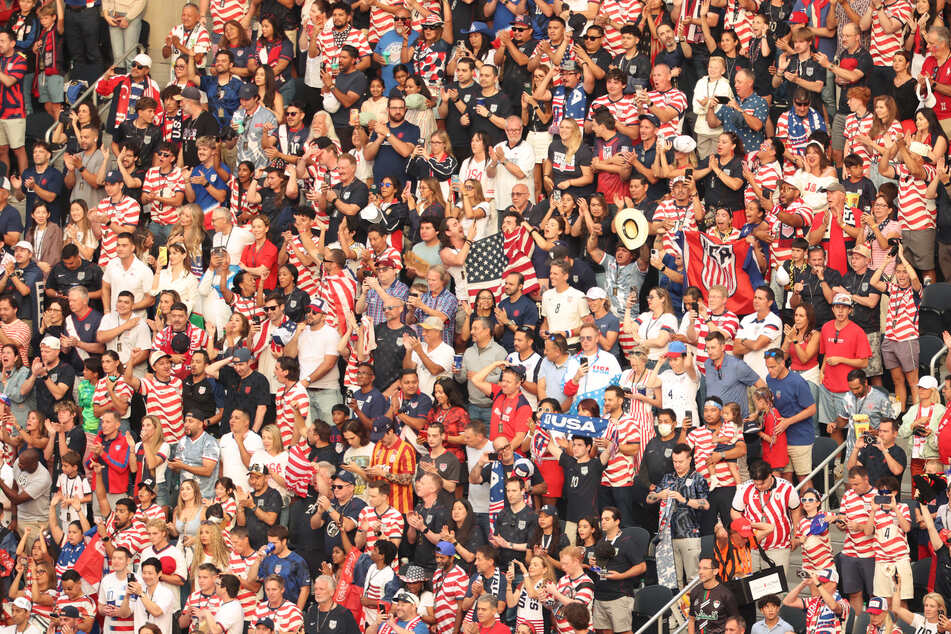
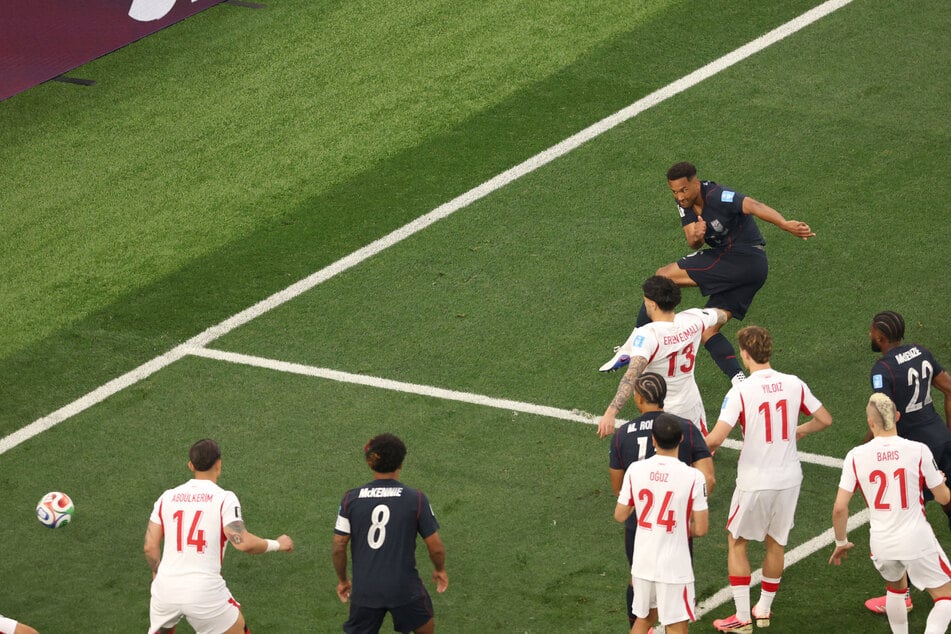
Solid wins over Paraguay and Australia saw the US finish top of Group D with more goals for the US men's team than at any past World Cup.
"I need to remind everyone we won the group, sorry guys, we won," said head coach Mauricio Pochettino after the US slipped in their final group encounter to lose 3-2 against Turkey.
Outside the match at the Los Angeles Stadium in Inglewood, 35-year-old physical therapist Ian Bjerke wore overalls adorned with the Stars and Stripes.
"That just shows my commitment to this team," he joked of his sartorial choice. "I'm usually more into baseball, and I have to say, it's been fun to watch! The game is exciting, it's a lot more fast-paced."
Bjerke, a relative newcomer to soccer fandom, said there were still improvements to be made for Americans to fully embrace soccer culture.
"We could do some better singing, though. I feel like so many countries have better songs," he said.
Nearby, business consultant Matt Movahhed described the US team as more exciting than past iterations.
"They play a more offensive style, and I think that makes me want to pay attention more – and it probably has the same effect on other Americans," he said.
Foreign soccer fans are swarming the US for the World Cup
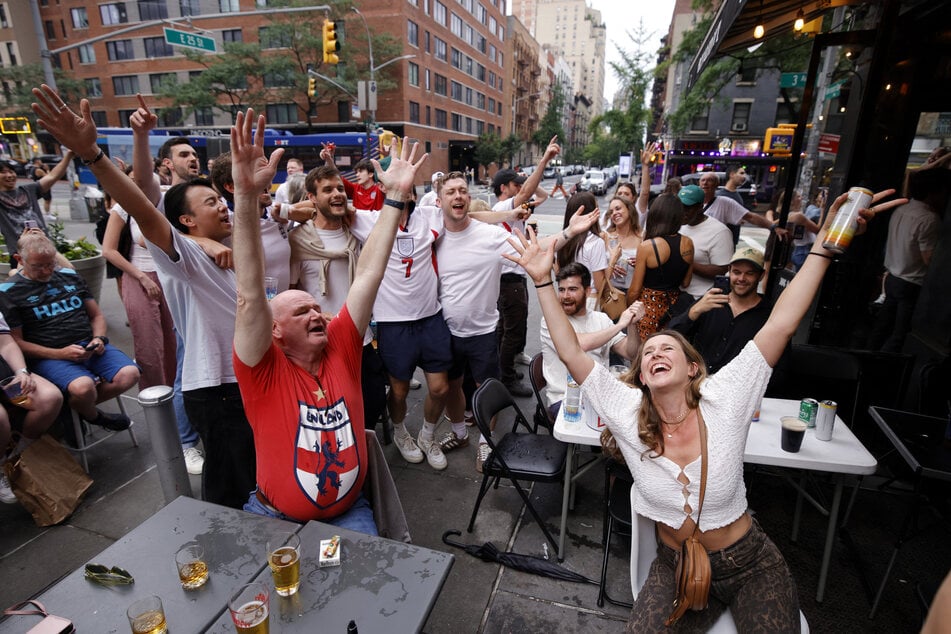
"The cultural aspects that make it more than a sporting event appeal to people everywhere," said Amy Bass, a professor of sports studies at Manhattanville University.
"People are obsessing about the matches, sure, but they're also following 'Freddy' the German fan as he shares his experiences across the American South, eating at gas stations and discovering country music."
Off the pitch, feel-good viral moments have also increased engagement with the tournament.
Legions of "Tartan Army" fans from Scotland roaming around Boston and Miami in kilts while adorning statues with orange traffic cones and drinking entire bars dry won over many locals.
Thousands of Norwegian fans took over Citi Field stadium, the New York home of the Mets baseball franchise, performing their noisy trademark Viking rowing for the locals – including the team's mascots, Mr and Mrs Met, who joined in.
And in Kansas City, an army of Netherlands fans flocked to downtown for an "Oranje Fanwalk," creating a sea of orange captured on timelapse.
World Cup fever has American business booming
The commercial impact of the tournament may not be so quickly forgotten by big business.
The US opening match against Paraguay was watched by almost 25 million people according to NBC Sports, more than the average of 19.6 million people who watched the first four games of basketball's NBA Finals.
US cultural icons, including Coca-Cola and McDonald's meal deals, have adopted FIFA World Cup branding that will be seen in towns and cities nationwide.
"The commercial aspects matter. FIFA ensures that it is a sporting event but also a commercial spectacle," said Bass, the sports professor.
"Now we need to see how deeply embedded it is in American life."
Cover photo: ETIENNE LAURENT / AFP