


Dozens of kidnapped dogs saved from horrific fate in multi-day rescue operation
Nagaland, India – Suddenly, the lives of 18 dogs were saved. The animals had been destined for the illegal meat trade in India, sealed up in tight fabric restraints – until a daring multi‑day rescue operation set them free.
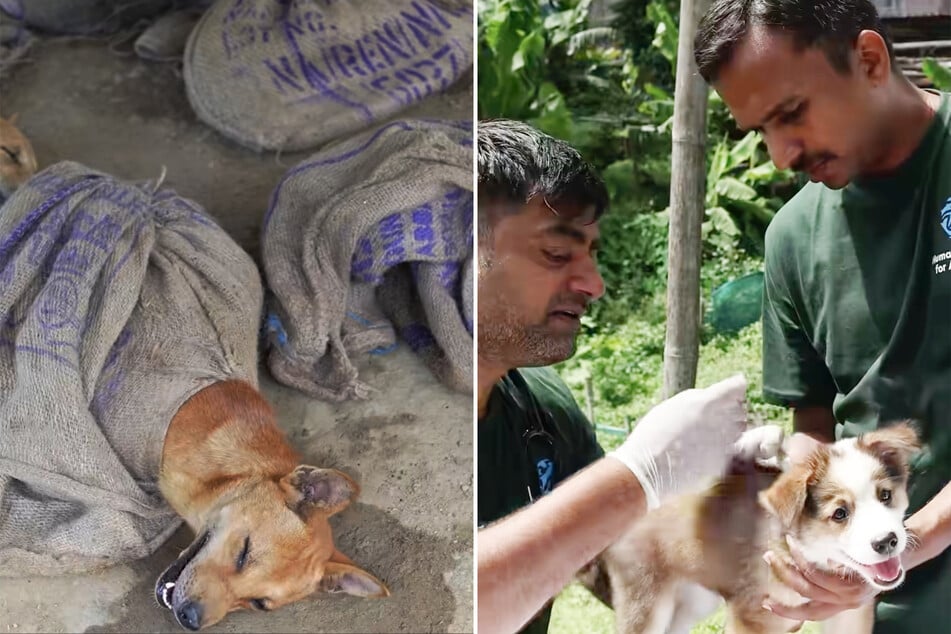
As the animal‑rights organization "Humane World for Animals" announced in a press release, three women who worked in the trade for years helped to rescue the suffering dogs.
According to the statement, the former traders voluntarily left the lucrative business to help save the poor animals.
"Dogs are routinely stolen or caught from communities across neighboring states before being transported into Nagaland, Mizoram and Manipur," the organization added.

When the rescue team arrived, they were met with a shocking sight.
Hundreds of dogs were panting on the ground – crammed into tight sacks.
The animals were completely immobilized and could barely eat. After the rescuers freed the four‑legged victims from their torment, they were greeted by a chorus of joyful barking and leaping.
While the rescuers were thrilled to save the dogs, some of them sustained injuries. One dog was found with a broken leg, and others showed signs of trauma. After the rescue, the dogs were examined, treated, and vaccinated.
"Many of the dogs were adopted on the spot by Samaritans from Nagaland who are committed to giving them safe homes," Humane World for Animals reported.
Animal welfare organization aims to make sustainable change
According to the animal rights organization, the trade in dog meat remains a major problem in India despite existing bans – thousands of dogs are killed each year.
"Humane World for Animals works across Asia to end the dog and cat meat trade," they said in their statement.
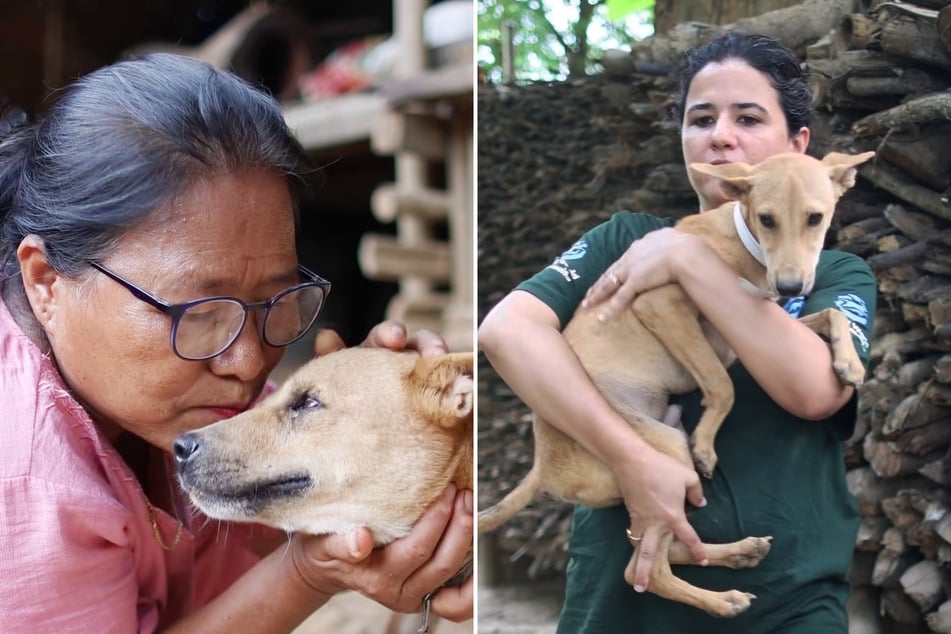
"Since 2012, Humane World for Animals India has been working to improve the lives of animals across India through comprehensive programs that include street dog welfare, farmed animal protection, disaster response, wildlife protection, and cruelty response," they added.
Cover photo: Collage: Screenshots/Facebook/Humane World for Animals