


Lusty love birds to the rescue! Enthusiastic parakeet breeding pair keeps species from extinction
Wellington, New Zealand – One of the world's rarest parakeets has seen its numbers surge thanks to a pair of super breeders now responsible for more than 10% of the total population.
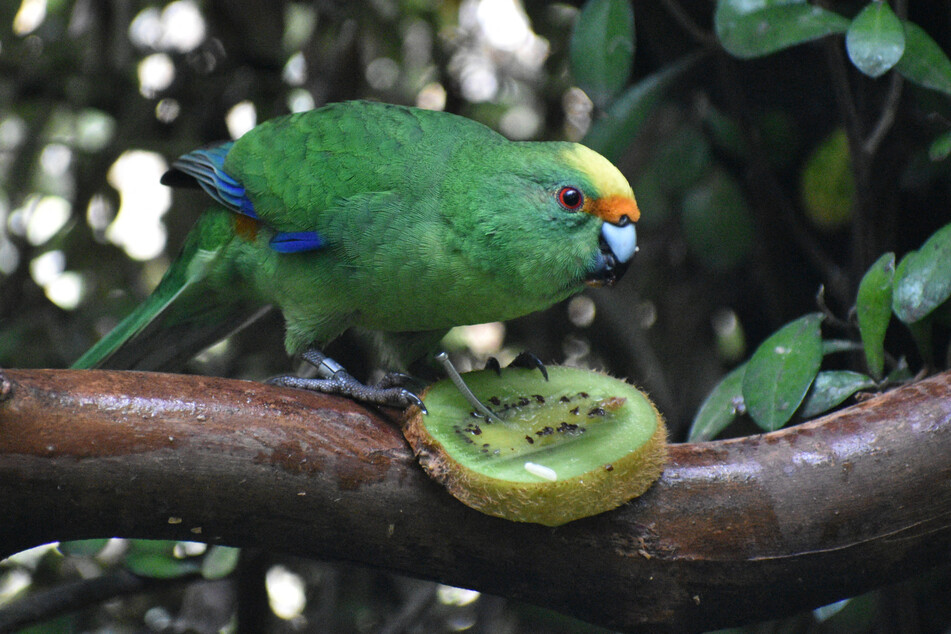
The New Zealand native kakariki karaka – or orange-fronted parakeet – is critically endangered. It's been declared extinct twice, only to be rediscovered.
There are only around 450 of the birds left.
Most live in sanctuaries and predator-free islands, but there are also a few wild populations.

Parakeet parents, Nacho and Trixie, were paired in 2024 at the Isaac Conservation and Wildlife Trust in Christchurch and have since produced 55 chicks, including 33 this year alone.
Wildlife manager Leigh Percasky praised "super-mom" Trixie.
"The breeding season has ended, and yet she's still producing eggs and raising chicks," Percasky said.
"Ideally, we'd prefer her to stop so she can have a rest, but she shows no signs of that with another seven chicks in her most recent clutch. Nacho also deserves credit as he's responsible for finding food for both Trixie and the chicks which is incredibly busy."
Breeding in captivity to stave off extinction
Wayne Beggs, lead of the Department of Conservation's kakariki karaka recovery programme, said breeding pairs like Nacho and Trixie were ensuring the species didn't go extinct.
"We rely on the captive breeding programmes as without them we couldn't establish new sites," Beggs said. "The wild populations are very vulnerable to predators, so we always need backup populations."
Percasky said Nacho and Trixie had made a "massive contribution" to the survival of their species, but he wants the love birds to "have a well-earned break" after their latest clutch. "I'm not sure where they get all their energy from!"
Cover photo: Foto von LEIGH PERCASKY / THE ISAAC CONSERVATION AND WILDLIFE TRUST / AFP