


Scientist swoops in to save baby parrot from terrifying attack by massive snake!
Maricao, Puerto Rico – Dramatic scenes in the jungle of Puerto Rico: A massive constrictor had coiled around a young parrot, threatening to suffocate it – but the desperate cries of its companions alerted a rescuer.
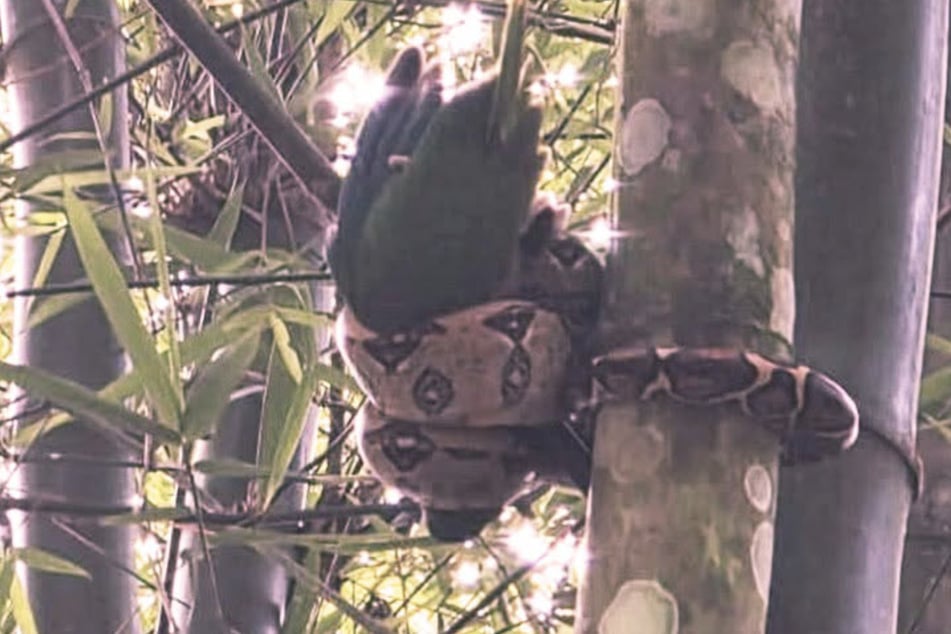
It was a life‑or‑death struggle unfolding in the Maricao State Forest in Puerto Rico. A red-tailed boa had seized a young parrot and coiled around it with its powerful body, as People reported.
High up on a bamboo trunk, the defenseless bird was trapped in a deadly grip – but its fellow parrots refused to abandon it.
Wildlife biologist Raúl Correa of the US Fish and Wildlife Service was walking through the forest when he heard the frantic cries of a flock of parrots.

He followed the calls and discovered the dramatic scene. The boa wouldn't let go, and time was of the essence.
Correa didn't hesitate and quickly cut the bamboo trunk that the snake was using as a perch.
The unusual rescue worked: The boa loosened its constriction and released the little parrot.
Young parrot survives major scare with boa constrictor
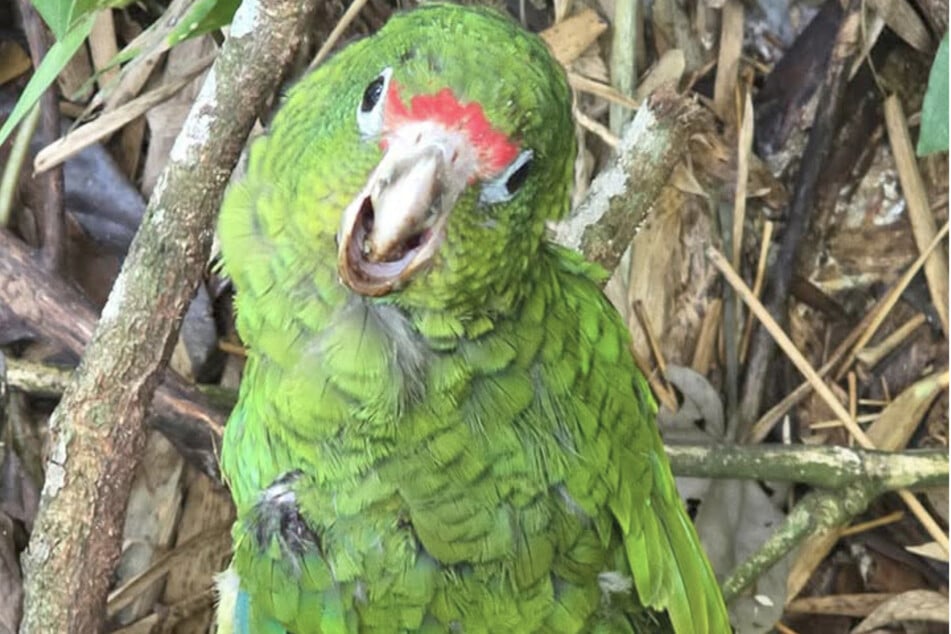
At first, it was unclear whether the young bird had survived the attack unscathed, so it was monitored overnight to rule out any injuries.
Then, the relieving news arrived: The little survivor had made it through the attack and could be released back into the wild.
According to the wildlife agency, the parrot had only taken flight about a month earlier. After its rescue, it was already flying again with its flock through the forest.

Behind the dramatic incident, however, lies a bigger problem. The red‑tailed boa is native to South America and is considered an invasive species in Puerto Rico.
Presumably, the snakes arrived on the Caribbean island through the illegal trade in exotic pets. There, they were able to spread virtually unchecked because there are no natural predators.
The non‑venomous constrictors can grow over 10 feet long and weigh up to 75 pounds. For the native wildlife, they pose a serious threat.
Cover photo: Screenshot/Facebook/US Fish and Wildlife Service