


Scientists warn powerful El Niño brings a "terrifying reality" for coral reefs
A super El Niño fueling record ocean temperatures poses a "terrifying" threat to the world's fragile coral reefs, the chair of the UN's expert nature panel told AFP.
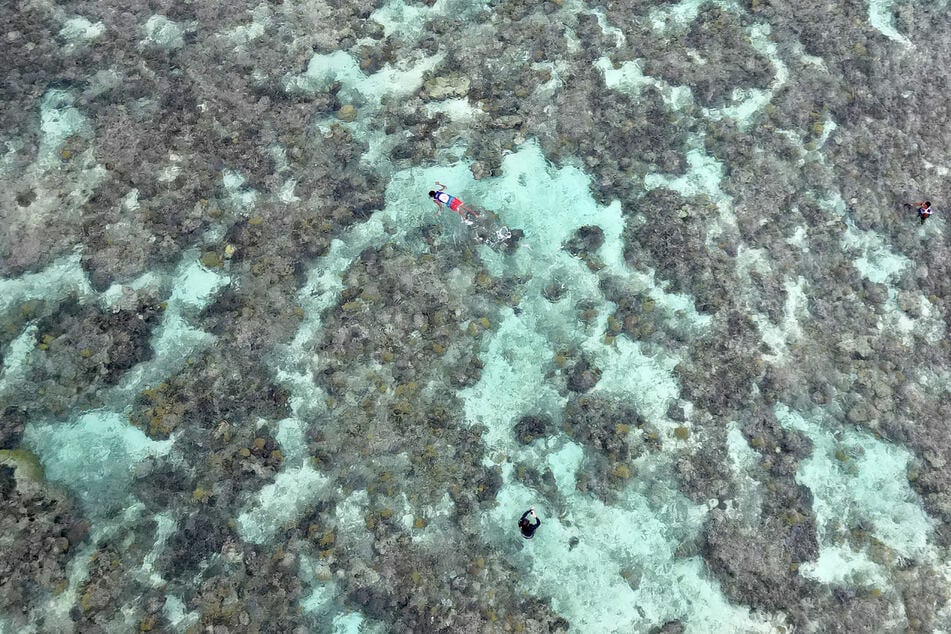
Marine scientist David Obura said the exceptional El Niño pattern building strength in the tropical Pacific could drive vulnerable coral species even closer to extinction.
Corals are heat-sensitive and particularly vulnerable to climate change, which is heating the world's oceans and increasing the frequency and intensity of damaging bleaching events.
But this year's El Niño layers "a terrifying level of additional risk", said Obura, a Kenyan reef expert and chair of IPBES, the UN's expert scientific panel on biodiversity.

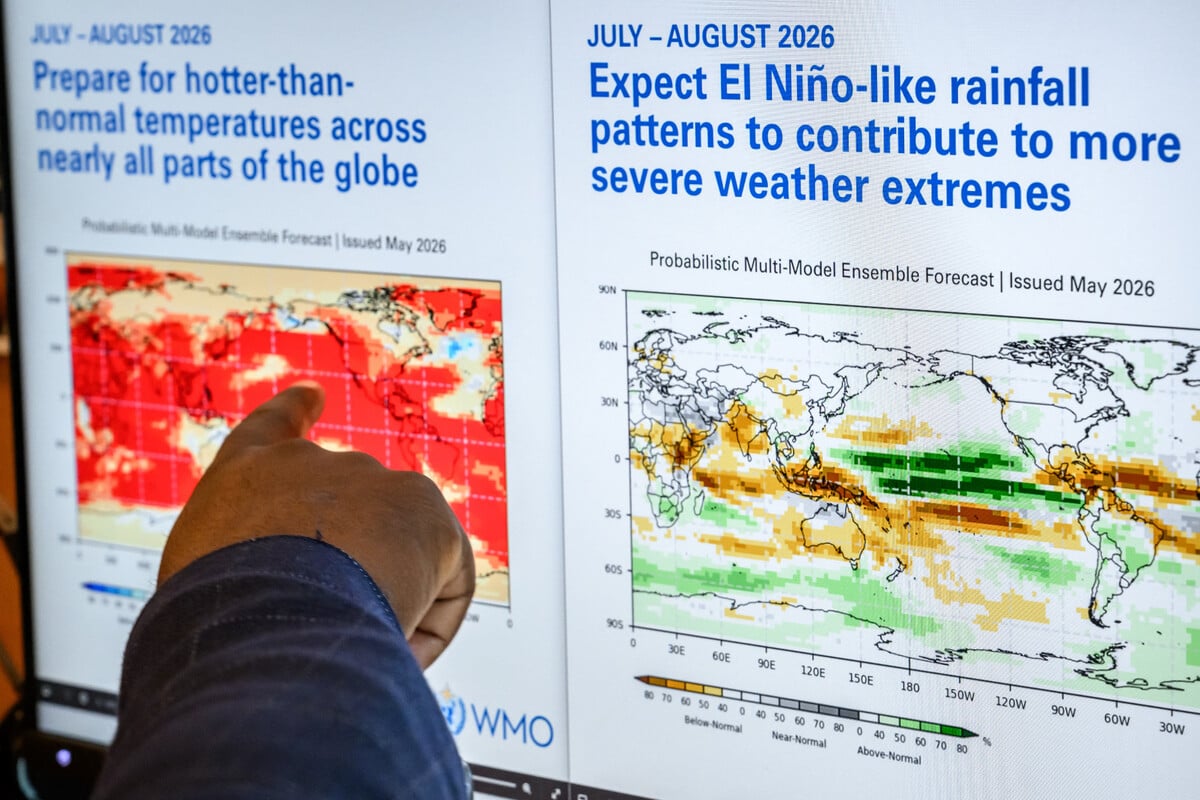
The warming phase of a natural climate cycle, El Niño events temporarily elevate global temperatures, altering cloud and wind patterns, and raise the risk of damaging weather.
Global forecasters expect this episode to be the strongest on record, and sea surface temperatures in parts of the Pacific have already hit all-time highs months before its expected peak.
That greatly concerns Obura, who recalled the damaging impact of a previous super El Niño episode in 1997/98.
"That this coming event is worse than that, after three intervening global bleaching events ... is a terrifying reality," he said.

Have coral reefs reached a point of no return?
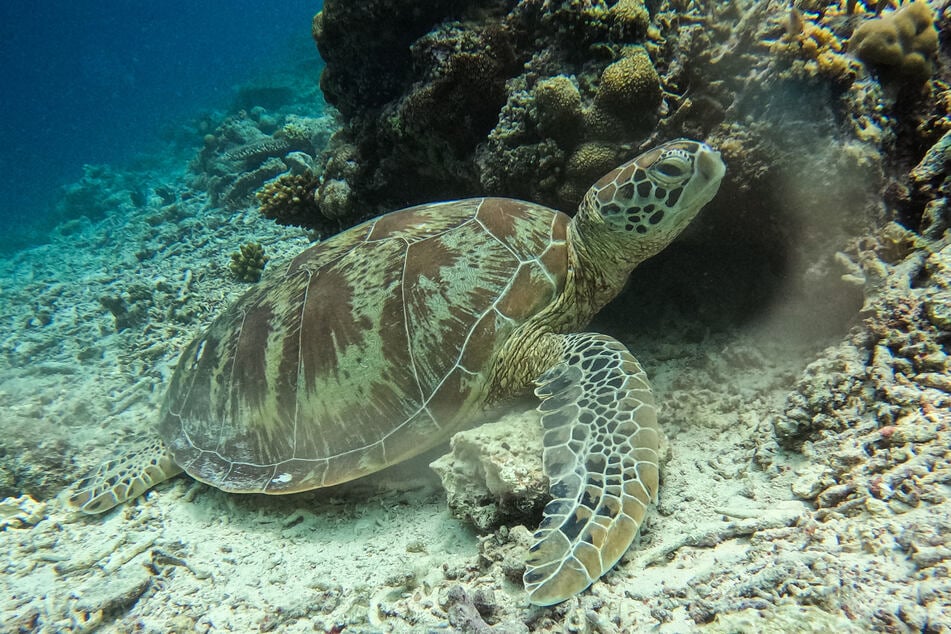
Obura led a major reassessment of coral health published in Nature on Thursday that reported a sharp deterioration in reef-building species since the last global census in 2008.
"Our results show that by 2020, nearly half of coral species were at elevated relative risk of extinction," with climate change the main driver of this decline, wrote Obura and dozens of top scientists.
The review covered hundreds of species on the IUCN's "red list" – icons like staghorn and table corals whose mineral skeletons give reefs their dazzling three-dimensional complexity.
This "indicates conditions for corals are worsening significantly... not at all surprising given the accelerated warming and lack of abatement of global drivers of coral decline", said Obura.
But the study was completed in 2020 and the findings today would be even bleaker, Obura said.
Since then, global ocean temperatures have soared to unprecedented highs, and the worst coral bleaching episode on record between 2023 and 2025 caused widespread mortality across reefs.
"It is entirely possible that reassessing the status of corals just after this coming El Niño may show them to have crossed the 50 percent mark of the proportion of species at elevated risk of extinction," said Obura.
Last year, scientists warned that warm-water coral reefs had almost certainly crossed a point of no return as oceans warm beyond a level most can survive.
The study in Nature said that projected rises in ocean temperatures and other pressures "primarily determined when and where, rather than if, conditions will become unviable for corals".
"When they hit their threshold, the collapse of reefs in that region could be precipitous, and we don't know if that is five, 15, or 30 years into the future, or maybe this year with the super El Niño ramping up?" said Obura.
Cover photo: SAEED KHAN / AFP