


Trump's EPA moves to delay Biden-era antipollution rule designed to prevent premature deaths
Washington DC - President Donald Trump's Environmental Protection Agency moved to delay antipollution rules introduced by the Biden administration to prevent premature deaths.
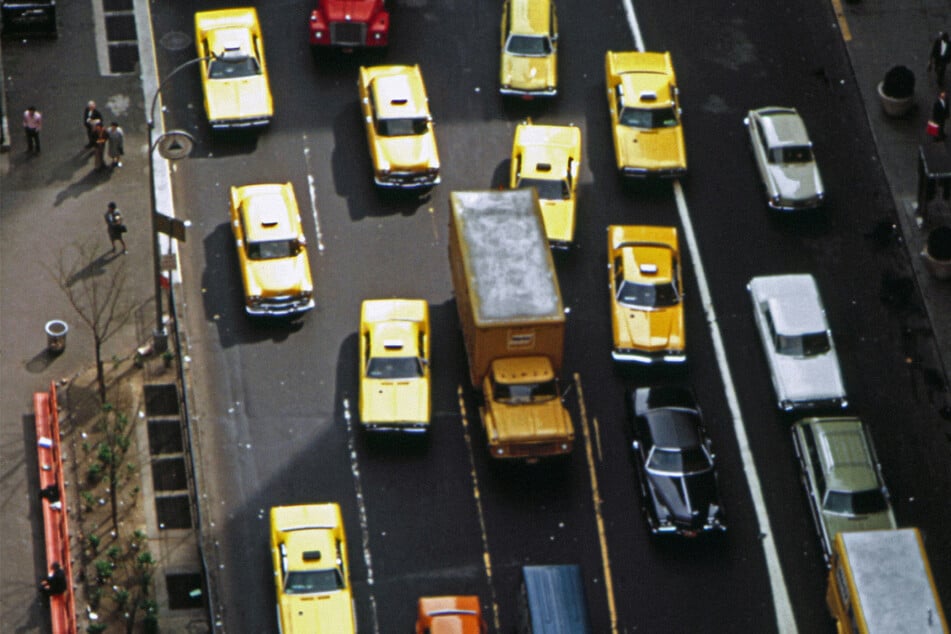
In a bid to save automakers $1.7 billion, the EPA proposed a delay to vehicle compliance deadlines for new light- and medium-duty models until 2029, allowing manufacturers to pump out polluting vehicles for a further two years.
The 2024 rule was introduced under former President Joe Biden and sought to improve air quality in American cities, reducing rates of illness and premature deaths by enforcing better standards in newly manufactured vehicles.
First reported by Reuters on Thursday, the EPA confirmed the plan in a press release later the same day, citing "freedom to choose."

"Freedom is the foundation of this nation, and this includes the freedom to choose the car you drive," EPA Administrator Lee Zeldin said in a statement. "The American people have been very clear; they do not want EVs forced upon them."
The Biden-era policy does not force electric vehicles (EVs) on American consumers, but instead limits the amount of smog-forming nitrogen oxides, fine particulate matter, and volatile organic compounds which are allowed to be emitted from new-model vehicles.
"This proposal aims to return EPA regulations to reality, restoring consumer choice, protecting good paying American jobs, and strengthening the nation’s global competitiveness while the agency works to reconsider the Tier 4 standards," Zeldin said.
Weakening standards risks major health consequences
In a post earlier this week, the Environmental Defense Fund pointed out that by weakening standards, emissions will continue to cause asthma and other lung diseases, heart disease, and premature death.
"Delaying these standards for two years will result in tens of billions of dollars in health costs and many hundreds of premature deaths," EDF said.
"Delaying and weakening these protections will mean higher healthcare costs, lower worker productivity, and damage to local economies."
Cover photo: Unsplash/Documerica