


Magic mushrooms could be on the menu for cancer sufferers, according to new study
Washington DC - A new study revealed that psilocybin, the hallucinogenic drug found in magic mushrooms, could be effective in combating the side effects of cancer.
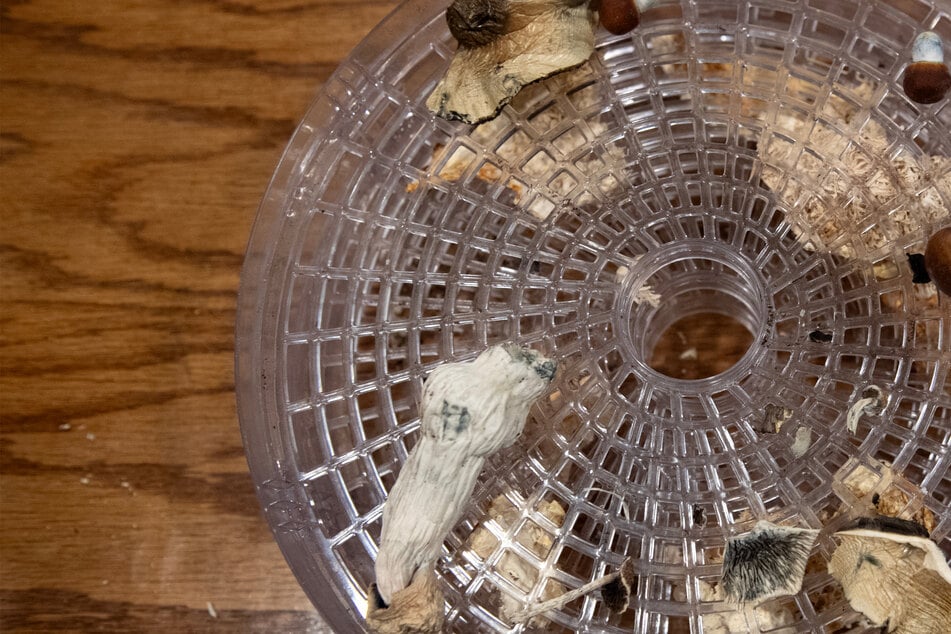
A new study, published Thursday in Science, involved tests on rats and certain human tissues as researchers looked at using psilocybin to fight a condition called peripheral neuropathy.
The ailment hits about three quarters of all people who undergo chemo and commonly causes numbness and tingling, Patrick Dougherty, a coauthor of the study, said in a call with reporters.
A third of that group will then develop nonstop, burning pain, said Dougherty, a pain treatment specialist at the University of Texas MD Anderson Cancer Center.

The symptoms can lead to trouble walking and other debilitating complications that can last even after a person finishes chemotherapy, and sometimes remain with them for life.
It is not just a quality-of-life issue, either – this complication also affects a cancer patient's chances of survival because sometimes the side effects are so bad they force doctors to cut back on chemo or stop it altogether.
It was almost by accident that researchers found that psilocybin can help cancer patients. The team was studying how the disease manages to hijack nerve cells in order to grow when they were surprised to see the mushroom ingredient actually prevented its emergence.
In rodents, taking two doses of psilocybin before chemo was enough to prevent the appearance of painful hypersensitivity during as many as six rounds of treatment. It did this without affecting the animal's immune system or hindering the cancer-fighting action.



"This is a highly promising finding," said Kristy Townsend, a professor of neurobiology at The Ohio State University who was not involved in the study.
Cover photo: AFP/Jason Connolly