


UN calls for boosted response to "fastest-growing Ebola outbreak ever"
New York, New York - UN experts on Wednesday called for a significant increase in humanitarian assistance to combat the rapidly worsening Ebola epidemic in the Democratic Republic of the Congo as the number of cases continued to rise.
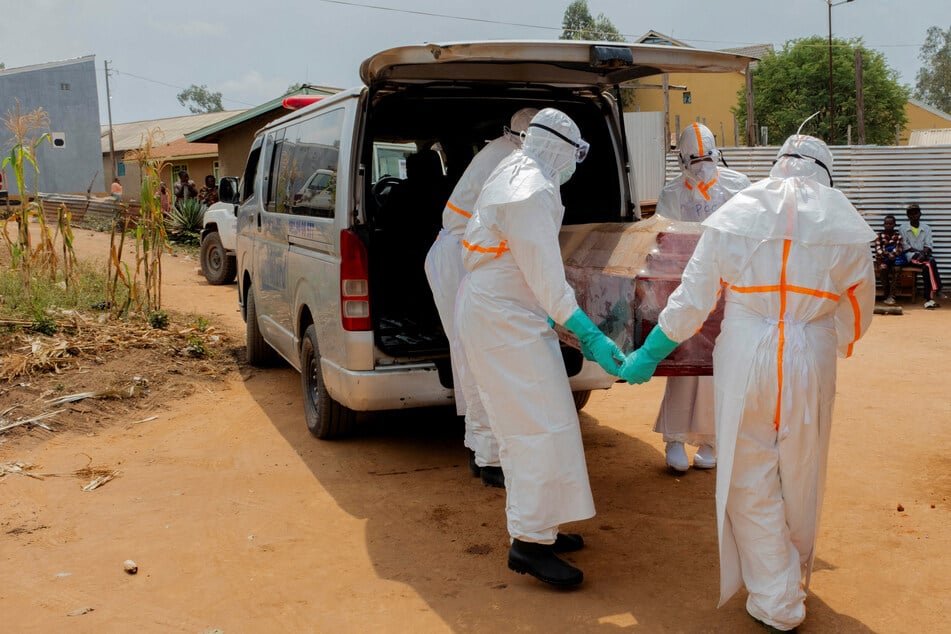
"The number of cases is growing exponentially, doubling every 20 days. This is a far faster growth than the growth in our response," UN Ebola coordinator Julien Harneis said.
"We need to massively step up our response, be it in terms of supplies, specialized supplies like personal protective equipment, staff, specialized medical staff, and logisticians," Harneis added.
He added that early treatment greatly improved patients' chances of survival.
"This is the fastest-growing Ebola outbreak ever," said Carl Skau, deputy head of the World Food Programme.
"To make a comparison, in the past two months, 1,000 people have died. It took eight months for 1,000 people to die in West Africa," Skau added.
The 2014-15 Ebola epidemic in West Africa claimed more than 11,000 lives, while the 2018-20 outbreak in eastern Congo, the second deadliest on record, resulted in around 2,300 deaths.
According to figures released by Congolese health authorities, more than 1,400 people have died in the current outbreak.
Ebola is a severe and often fatal viral disease. It spreads through direct contact with infected people, particularly through contact with bodily fluids.
Cover photo: REUTERS