


World Health Organization demands transparency amid new Russia plague reports
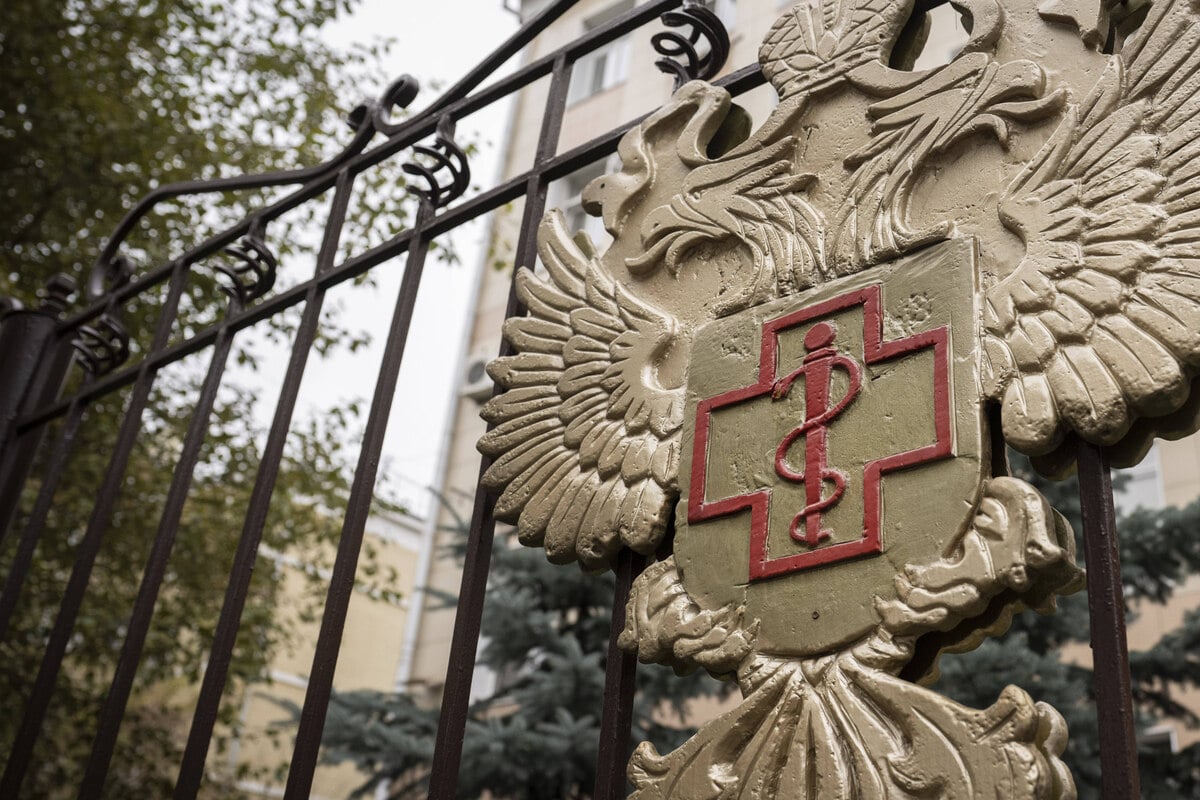
Geneva, Switzerland - The WHO said Wednesday it wanted more information from Russia on the death of a plague laboratory technician – and on reports of "a second employee with pneumonia of undetermined cause".
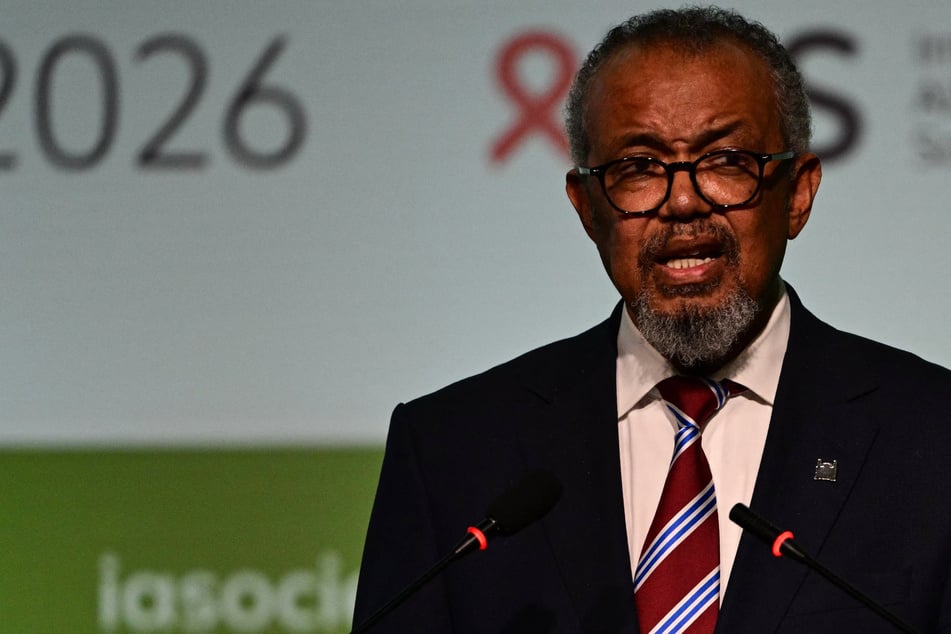
The World Health Organization's chief, Tedros Adhanom Ghebreyesus, said full transparency was needed in order to make a proper assessment of the public health risk.
He reiterated that the WHO stood ready to help Moscow with technical support, if asked.
"WHO has been actively following up on the reported death of a laboratory worker at the Irkutsk Anti-Plague Research Institute," he said on X.

"The individual died on October 2, 2026, after being hospitalized with severe pneumonia. Initial media reports suggested pneumonic plague following an alleged accidental laboratory exposure."
On Saturday, the WHO contacted the Russian authorities to get more information, under the International Health Regulations.
The IHR provide a legally binding framework defining countries' rights and obligations in handling public health events and emergencies that could cross borders, and countries are asked to respond within 24 hours.
Russia got back to the WHO on Tuesday.
"WHO has requested further information to clarify the cause of the severe pneumonia, the pathogen that prompted the public health measures, and media reports of a second employee with pneumonia of undetermined cause," said Tedros.
"Timely, complete and transparent information sharing under the International Health Regulations is essential to clarify conflicting reports and enable an accurate assessment of potential public health risks."
The WHO's initial risk assessment from the information available estimates the risk to be moderate to low for the Irkutsk region; low for Russia as a whole; and very low for Europe.
At a speech in Tanzania on Tuesday to parliamentarians from around the world, Tedros said international cooperation on health was "indispensable".
"Viruses do not respect borders," he added.
Cover photo: Pablo PORCIUNCULA / AFP