


Palestinian soccer marks return with 1,000 Martyrs Cup, bringing feelings of "joy" and "loss"
Al-Ram, Palestine - Palestinian sports commentator Khalil Jadallah has spent the past three years mourning the athletes killed in Gaza. As Palestinian soccer officially resumed this week, his return to the stadium proved bittersweet.
Palestinian professional sports were brought to a halt after October 7, 2023. Since that time, Israel has killed 1,014 Palestinian athletes, according to the Palestinian Football Association's tally.
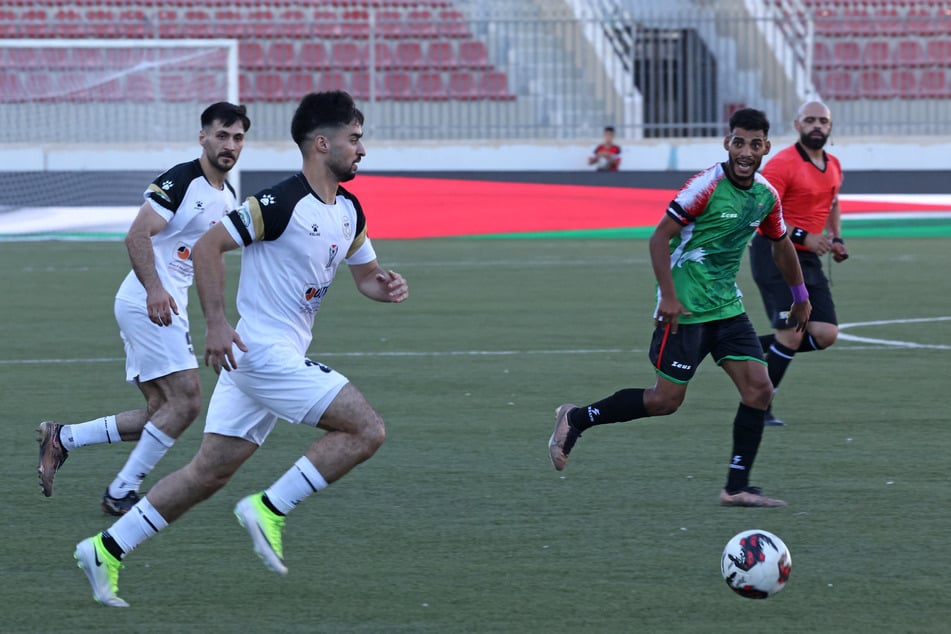
On Friday, Jadallah was back at Faisal Al-Husseini Stadium in Al-Ram in the West Bank to call the opening match of the first tournament organized by the association in three years.
Though long awaited, the event was marked by contradicting emotions for Jadallah: "a feeling of joy at returning after such an absence, but also a feeling of loss."
"We lost players... fans, administrators and referees," Jadallah told AFP.
The soccer association named the comeback tournament – which includes over 200 teams from the occupied West Bank, Gaza, and refugee camps in Lebanon – the 1,000 Martyrs Cup.
Throughout the war, Palestinian soccer authorities have accused Israel of killing players and damaging Gaza's sporting infrastructure.
Israel has claimed 12 Palestinian soccer figures that it killed in Gaza, including a FIFA-registered referee, were members of militant groups, an allegation the soccer association has rejected.
"Football returns to Palestine"
Large numbers of Palestinian security forces were deployed for the event.
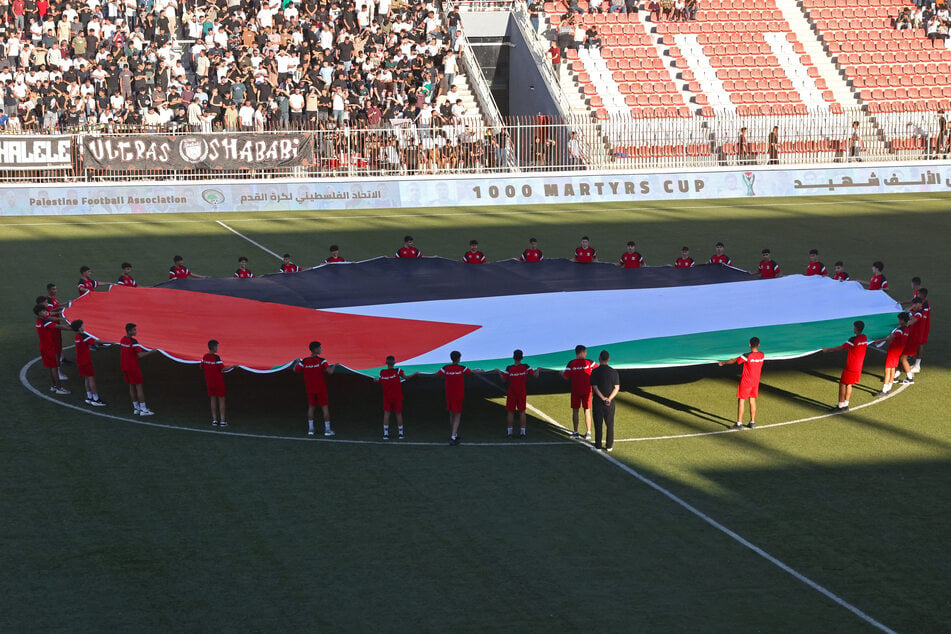
Before the game, pitting Jabal Al-Mukaber Club against Shabab Al-Khaleel SC, children carried a Palestinian flag wrapped to resemble a dead body, before unfurling it across the center circle as a band played the Palestinian national anthem.
The sport authority also unveiled a memorial bearing the names of the killed Palestinian athletes outside the stadium, which stands in Al-Ram, not far from the West Bank separation barrier.

Samir Issa, a prominent former player and veteran manager who had coached both teams, watched from the stands as the game kicked off.
"Football has become more important than politics today," he said. "The proof of that is the following the World Cup has had."
"Sport in general is the culture of the people," he added, saying that Palestinians had "the right to practice sport normally and in all its forms, not just football."
At the 10-minute, 14-second mark, the referee ordered the game to stop for a minute of silence for the dead before the crowd grew loud again.
"Football returns to Palestine," read electronic screens around the stadium as thousands of mainly young people attended the game.
Symbol of "national unity" for Palestinian People
Maysan Suleiman, a 35-year-old from Al-Ram, said she came to commemorate "the martyrs."
"I don't support either team," she said. "I came to support the idea (of the tournament) itself. After all, they're all sons of Palestine."
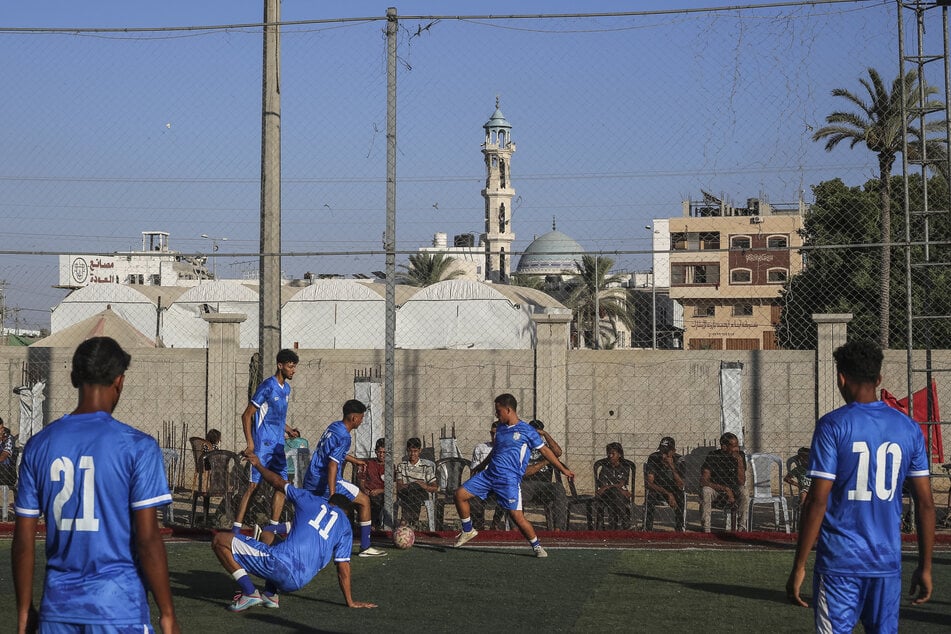
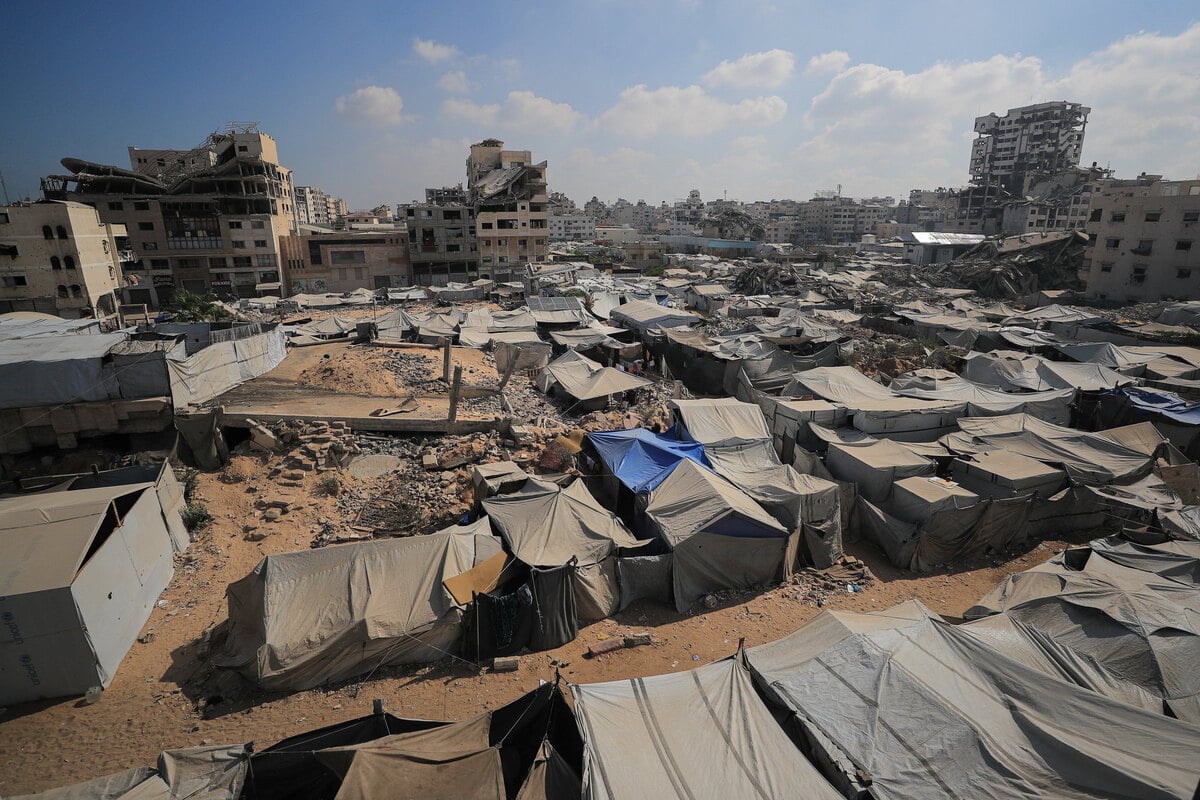
The tournament opened simultaneously in Gaza, where Israeli strikes have left much of the territory in ruins and some soccer fields have been turned into makeshift camps for those displaced by the assault.
The opening match there was held in Deir al-Balah between Khadamat Rafah and Shabab Rafah as fans sat on plastic chairs around the small field lined with palm trees.
"Football represented life for us before the war, and after the war the lives of players stopped altogether," said Khalil Matar, a Khadamat Rafah player.
Matar said holding the cup simultaneously in the West Bank, Gaza, and refugee camps in Lebanon reflected "national unity" for Palestinians.
But the West Bank teams are set to face major logistical hurdles as they travel between cities and Israeli military checkpoints in the occupied territory.
"Still, we're determined to continue sporting activities and developing our young people," said Abdullah Abu Ghassan of the Shabab Jaba team competing in the tournament.
Cover photo: AHMAD GHARABLI / AFP