


Chernobyl, 40 years later: Five things to know about the devastating nuclear disaster
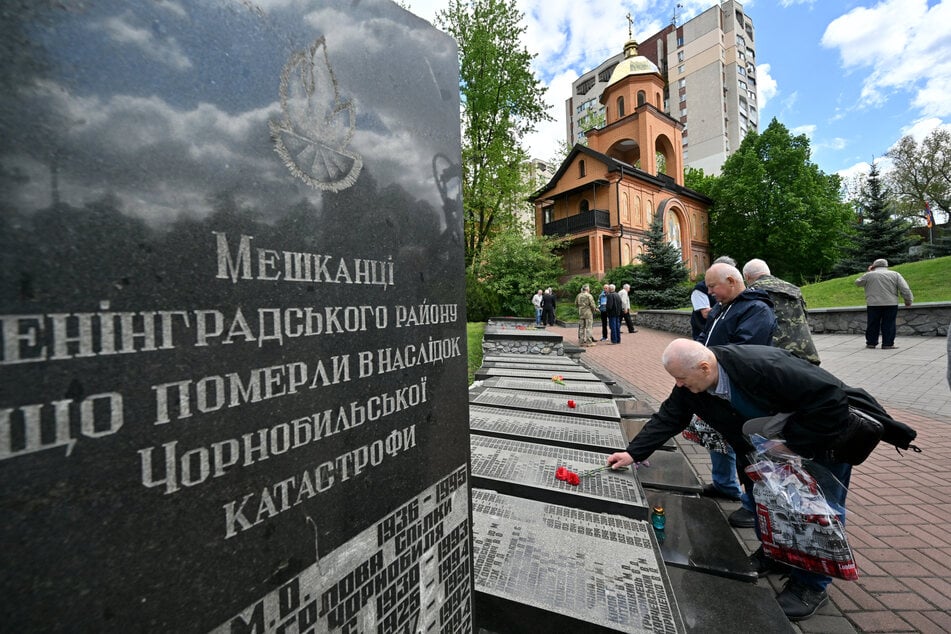
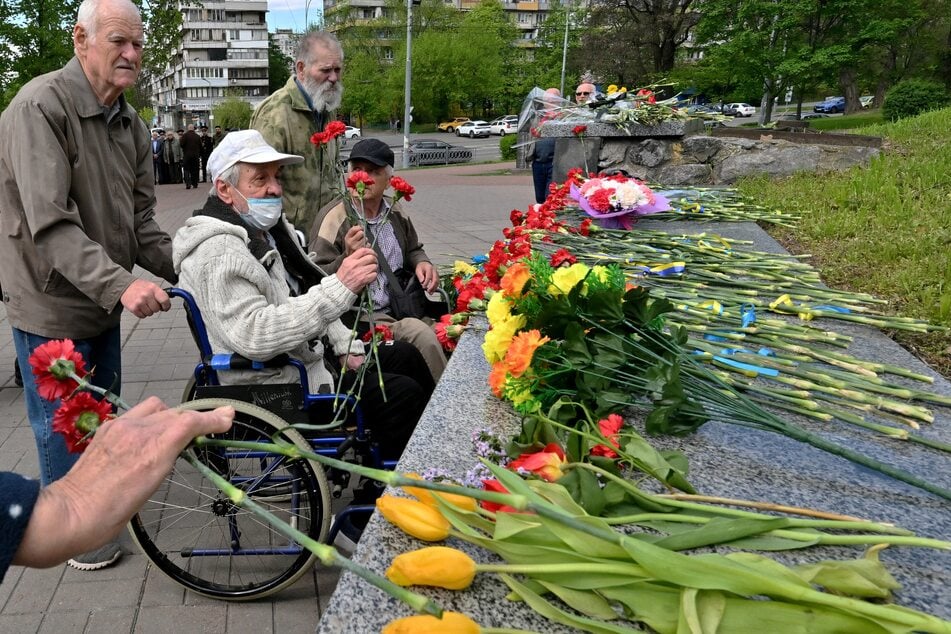
Kyiv, Ukraine - Ukraine on Sunday marks the 40th anniversary of the explosion at the Chernobyl nuclear power plant – the worst civilian nuclear disaster in history.
It comes four years into the Russian invasion that has put the plant once again under threat and raised risks of another radioactive catastrophe.
Here are five things to know about the disaster and the plant today:
Explosion
At 1:23 on April 26, 1986, a human error during a safety test triggered a blast in reactor number four at the Chernobyl nuclear plant in northern Ukraine, then part of the Soviet Union.
The explosion tore the inside of the building apart, sending a plume of radioactive smoke into the atmosphere, with nuclear fuel burning for more than 10 days.
Thousands of tonnes of sand, clay and lead ingots were dropped by helicopter to contain the radioactive leak.
The International Atomic Energy Agency (IAEA) determined the main cause of the disaster was "severe deficiencies in the design of the reactor and the shutdown system" combined with "violation" of operation procedures.
Radioactive cloud
In the following days, the radioactive plume heavily contaminated Ukraine, Belarus, and Russia before spreading across Europe.
The first public alert came only two days later, on April 28, when Sweden detected a spike in radiation levels on its territory.
The IAEA was officially notified of the accident on April 30, but Soviet leader Mikhail Gorbachev did not publicly acknowledge it until May 14.

Thousands are estimated to have died as a result of exposure to the radiation, though assessments of the precise human toll vary.
A 2005 UN report put the number of confirmed and projected deaths at 4,000 in the three worst-affected countries. Greenpeace in 2006 estimated that the disaster had caused close to 100,000 deaths.
According to the United Nations, some 600,000 people involved in the clean-up operation – known as "liquidators" – were exposed to high levels of radiation.
The disaster raised public fears of nuclear energy, fueling a surge in anti-nuclear movements across Europe.
Russian occupation
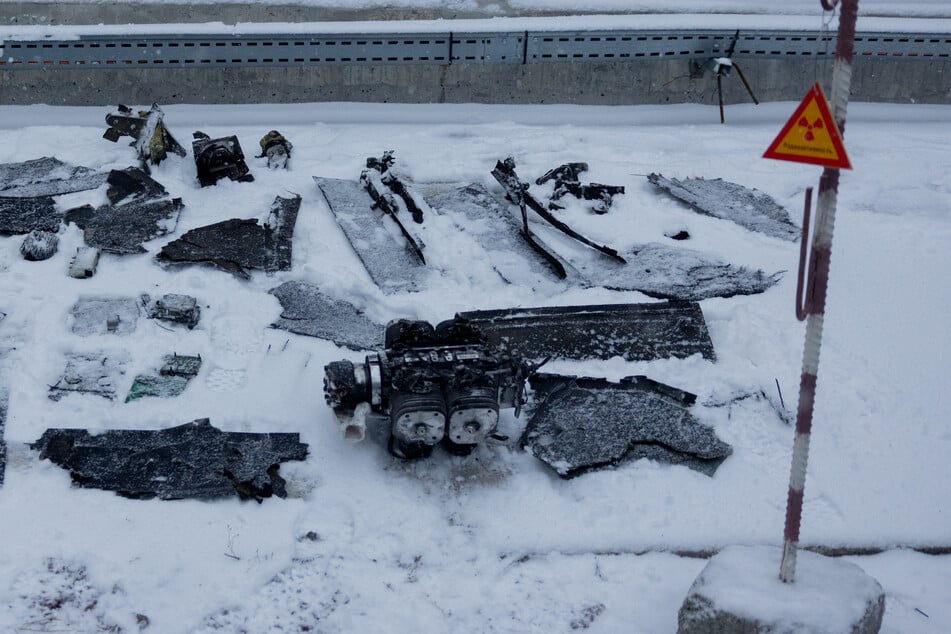
Russian forces occupied the power plant on the first day of Moscow's 2022 invasion of Ukraine.
They captured the plant without fighting after sending tens of thousands of troops and hundreds of tanks into Ukraine from Belarus, Moscow's close ally.
Russian soldiers dug trenches and set up camps in areas such as the so-called Red Forest, named after the color its trees turned from radiation exposure.
Their seizure of the defunct plant raised intense fears a military incident could trigger a catastrophic nuclear disaster at the site.
Russia's army withdrew around a month into the war, as part of a pullback after failing to encircle and capture the capital Kyiv amid fierce Ukrainian resistance.
New threats
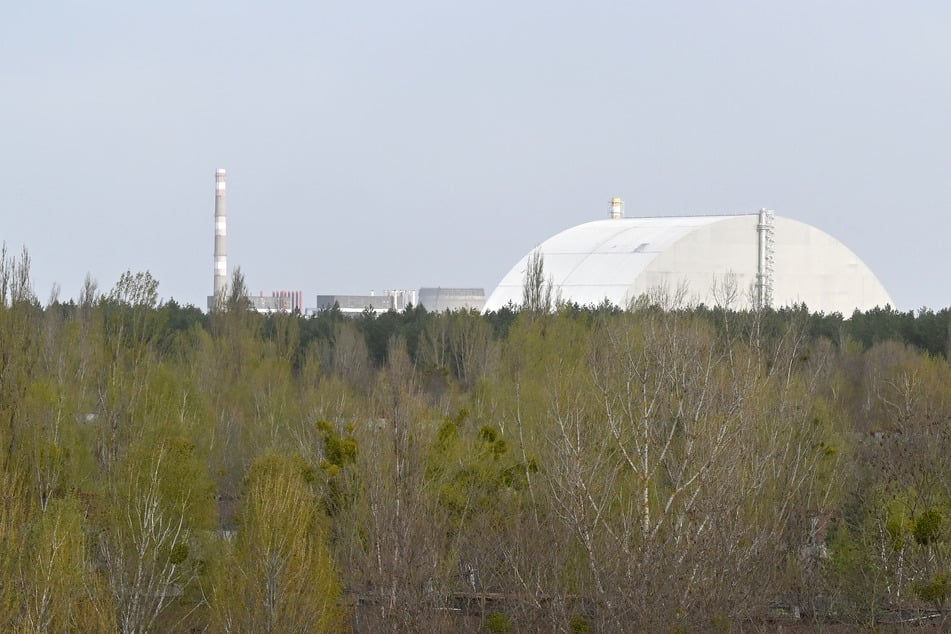
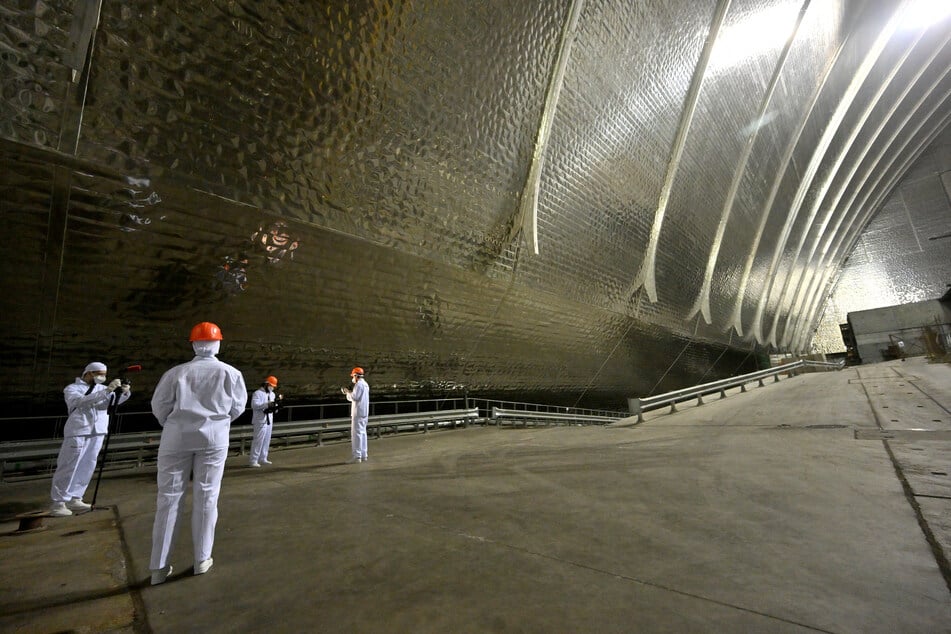
The remains of the plant are covered by an inner steel-and-concrete structure known as the sarcophagus, hastily built after the 1986 disaster.
A newer hi-tech outer shell, the New Safe Confinement, was installed in 2016-2017, designed to eventually replace the sarcophagus, which was not intended to be a permanent solution.
The massive metal outer structure was punctured by a Russian drone in February 2025, losing its ability to contain radiation.
In a report published in April, Greenpeace said as the outer shell "cannot be repaired at the moment, it cannot function as it was designed, there's a possibility of radioactive releases."
Repairs are expected to take around three to four years.
Another Russian strike could see the radiation shelter collapse, the plant's director told AFP in December 2025.
Exclusion zone
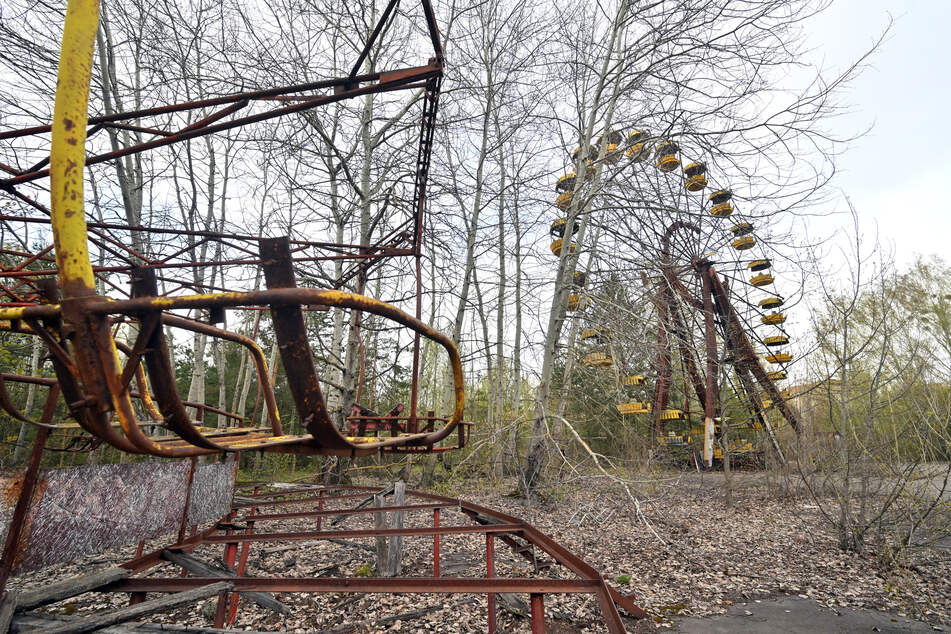
The area around the plant was evacuated and became an exclusion zone, with abandoned towns, fields, and forests.
In total, more than 850 square miles in northern Ukraine and 1,000 square miles in southern Belarus are effectively uninhabitable.
People will not be able to safely live there for the next 24,000 years, the IAEA says.
The city of Pripyat, less than two miles from the plant with a population of 48,000 residents in 1986, was completely evacuated.
It remains abandoned, with its empty, decaying buildings – including a rusting amusement park and ferris wheel – resembling a post-apocalyptic ghost town.
Before Russia's 2022 invasion, guided visits to the site were possible, but for nearly three years the area has been closed to tourists.
Without human presence, the area has effectively become a vast nature reserve, where the rare and endangered Przewalski horse was reintroduced in 1998.
Cover photo: SERGEI SUPINSKY / AFP