


Ukraine blasts South Korea for supplying oil to Russia as tensions flare
Kyiv, Ukraine - Ukraine on Tuesday blasted South Korea for supplying oil to Russia that helped Moscow offset losses in refining capacity from strikes on its fuel facilities.
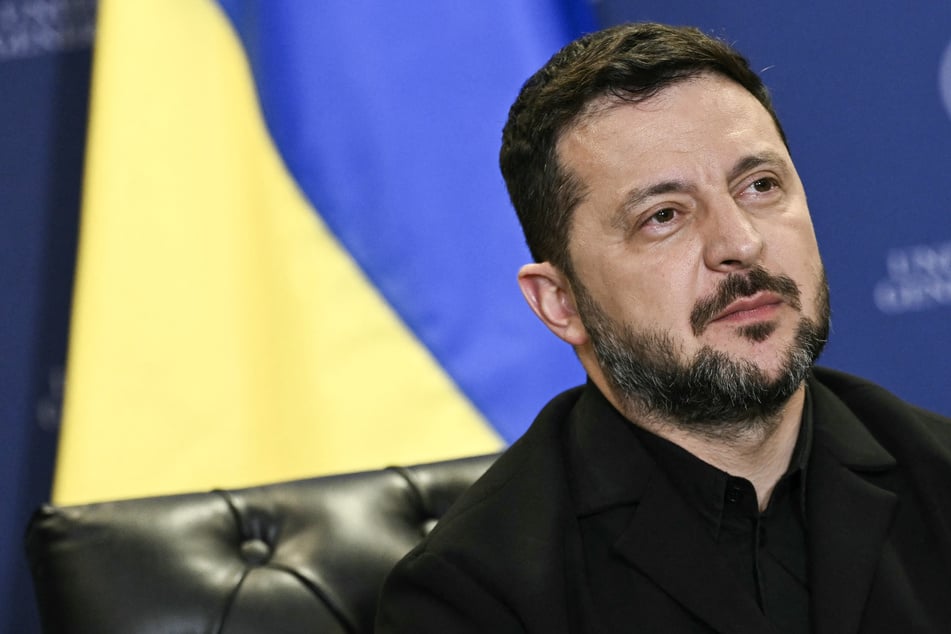
Britain's The Guardian newspaper reported that 194,000 tons of oil products were shipped from South Korea to Russia in July and August, citing port records and ship-tracking data.
The records did not show who owned or sold the fuel, it added.
President Volodymyr Zelensky's adviser on sanctions, Vladyslav Vlasiuk, said the shipments were "in sharp contrast" to South Korea's sanctions policy.

The criticism comes with Ukraine and South Korea at loggerheads after Zelensky revealed in a UN speech last month that two North Korean soldiers captured fighting with Russian forces had been sent to the South.
Seoul has summoned Kyiv's ambassador and threatened unspecified "further measures" while President Lee Jae Myung has demanded an official apology, over fears the PoWs' families could be put at risk.
Zelensky has denied breaking a confidentiality agreement about the transfer while his foreign minister, Andriy Sybiga, has called the row a "diplomatic misunderstanding".
Vlasiuk did not cite the Guardian but said most of the oil products shipped to Russia in July and August was diesel fuel.
The shipments accounted for nearly a third (31%) of Russia's fuel imports by sea, and three of the seven tankers used were under Western sanctions, the paper reported.
"These deliveries began precisely when Ukrainian strikes on Russian refineries reduced processing volumes and created a fuel shortage in the Russian Federation," Vlasiuk said.
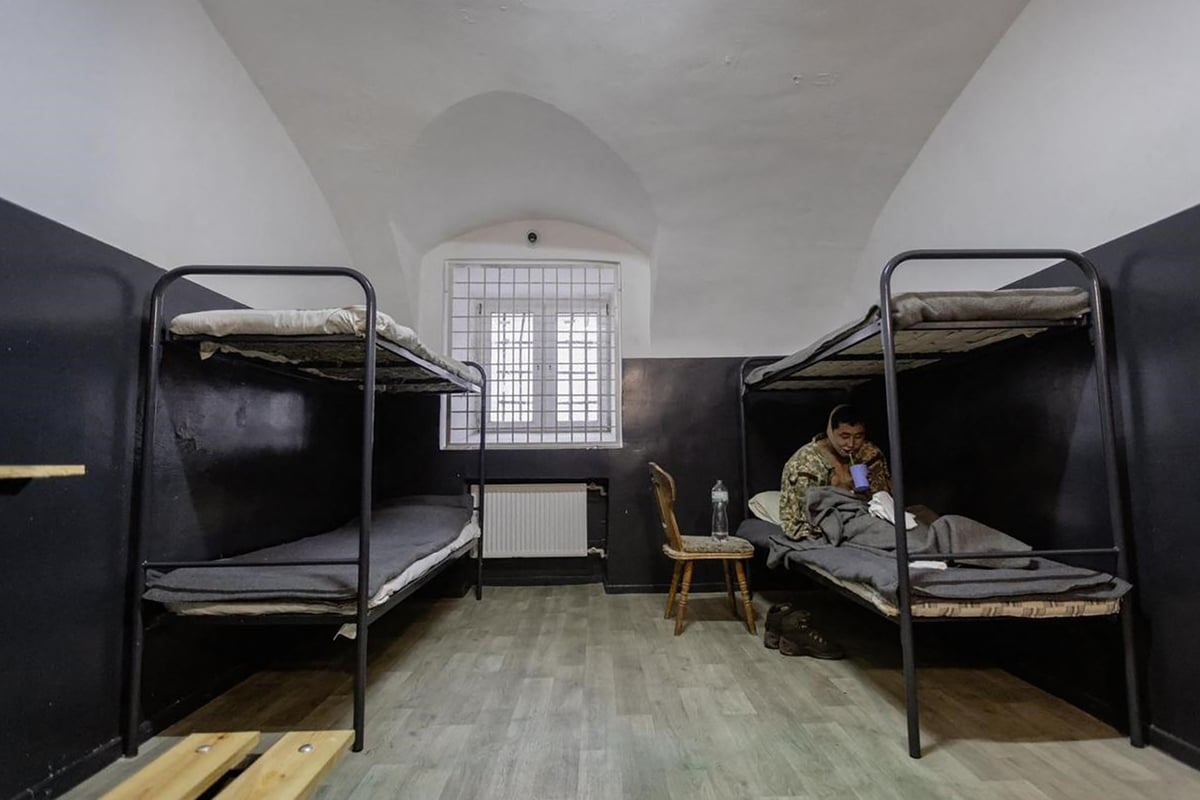
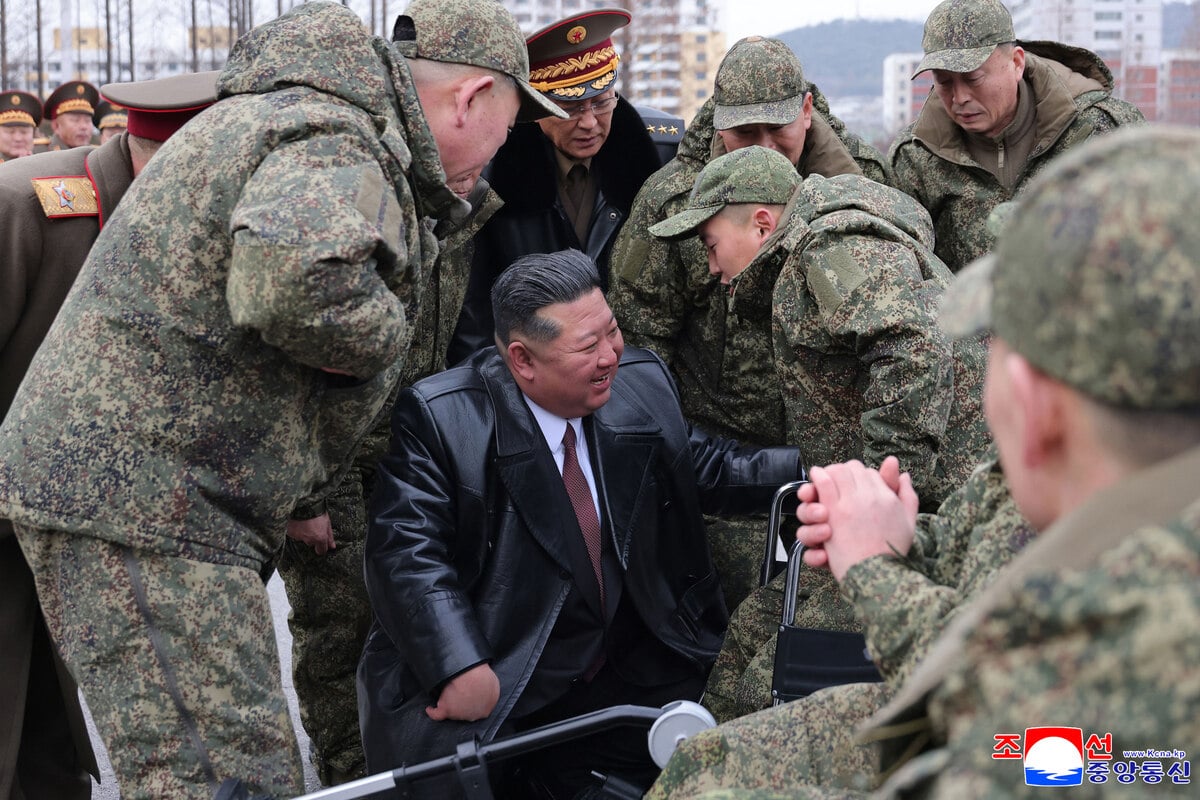
South Korea threatened Kyiv with "further measures" after PoW drama
"In other words, imports from South Korea effectively helped Russia offset the consequences of losing its own refining capacity," he continued. "This stands in sharp contrast to what South Korea had been doing in terms of sanctions policy after the start of the full-scale invasion."
Seoul has been part of a coalition of countries with enhanced export controls on Russia and its ally Belarus since Moscow's full-scale invasion of Ukraine in 2022.
It has also restricted operations with leading Russian banks and the central bank, as well as other financial transactions and trade in goods, including those that can be used for defense purposes.
Cover photo: Brendan SMIALOWSKI / AFP