


Canada recruiting American researchers as academic freedom on the decline in the US
Montreal, Canada - Fed up with the funding restrictions surrounding her research on the links between climate change and health, American epidemiologist Sheryl Magzamen has left the US for Canada.
The former University of Colorado researcher, now with the University of Montreal, is one of the dozens of scientists to quit US-based posts in recent months for a role in Canada, which is making a push to attract US talent.
Watching academic freedom decline in the US was "very hard," Magzamen told AFP, citing multiple grant withdrawals in a research area that has been derided by President Donald Trump's administration.
But she said the University of Montreal has offered her "an incredible amount of resources" for long-term research – and she has started learning French to help integrate into Quebec, Canada's majority-francophone province.
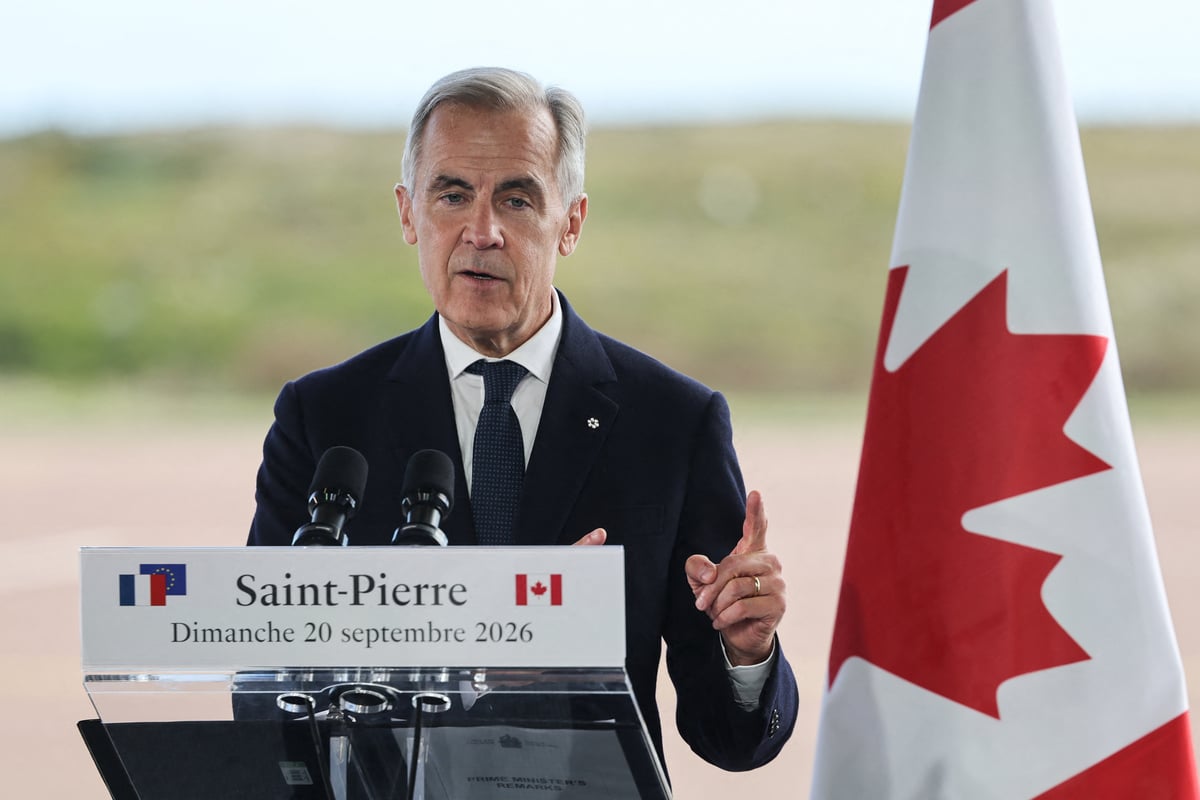
Since Trump returned to office last year, major Canadian institutions have publicly declared their desire to recruit leading US-based researchers who may be looking to move.
Canada's largest hospital group, the University Health Network, said last year it would open its doors to a range of foreign experts, including US scientists studying vaccines, an area where the Trump administration has made sweeping and controversial policy changes.
Trump has also launched a campaign against certain American universities, accusing them of operating with a left-wing bias and advancing priorities he views with suspicion, including climate science.
Canada, which is locked in an escalating and costly trade war with the US, has launched a CAN$1.7 billion (US$1.23 billion) 12-year program to recruit researchers globally, but it's clear the US is a top poaching target.
"While certain countries are cutting research and turning their back on academic freedom, we're doubling down on science and we're doubling down on research," Industry Minister Melanie Joly said last month.
Canadian recruitment effort helped by US' "state control over science"
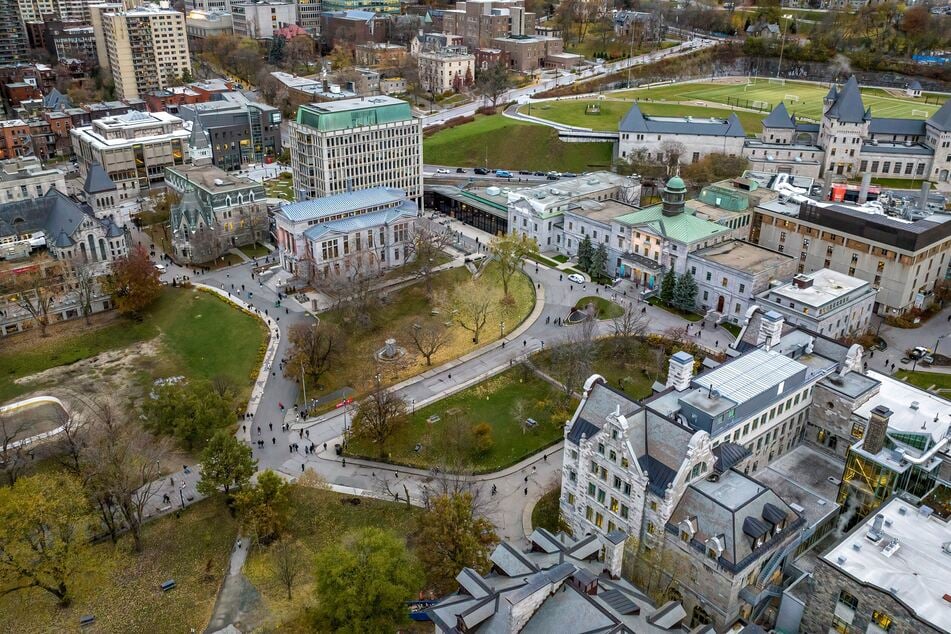
Molecular biology professor Phillip Zamore is set to leave the University of Massachusetts for McGill University in Montreal in April.
"The climate towards science in the US now is hostile," he told AFP, condemning an approach he called "counterproductive to doing great science."
"I decided I had to move somewhere else," he added, praising Canada for continuing to value "scientific enterprise."
Quebec City's Laval University has hired 15 researchers from the US during Trump's second term.
Laval's rector, Sophie D'Amours, told AFP that the recruitment effort has been helped by what she called "state control over science" in the US.
Canada is not the only country eyeing talent from elite US institutions, which for decades has been a major engine for global innovation. The European Union allocated 500 million euros (US$581 million) from 2025 to 2027 to lure US-based researchers.
In May, France announced that it had identified 60 foreign scientists it wanted to recruit, mostly US-based researchers.
McGill University's vice-president for research and innovation, Dominique Berube, called the battle for US talent "a healthy form of competition" and an opportunity for Canada to bring in specialists in fields ranging from artificial intelligence and medicine to aerospace.

Zamore, the molecular biology professor at the University of Massachusetts, said he used to receive two applications for postdoctoral positions per week, but those applications have completely dried up.
"It is now much more attractive for students to study in Canada than in the United States," he said.
Cover photo: IMAGO / Belga