


Protesters occupy major landmark on US-Mexico border to stop its destruction
Lochiel, Arizona - A collection of demonstrators staged a "tree sit" at the US-Mexico border to stop the destruction of a 200-year-old cottonwood grove to make way for the border wall.
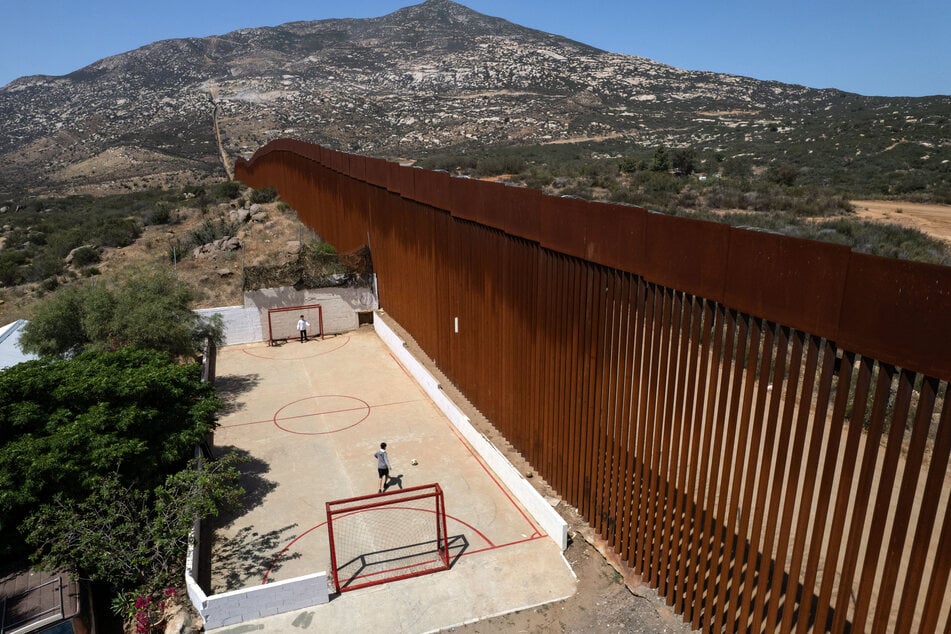
Federal contractors are being faced with a group of protesters who have occupied a grove of ancient cottonwood trees due to be logged in way for President Donald Trump's 30-foot border wall.
The group is specifically protecting a massive 200-year-old cottonwood that is the last of a collection of such trees – many of which were destroyed by the contractors – which locals refer to as "the grandmothers."
Several dozen people are involved in the protest, one person staying in a platform high in the tree at all times while others provide them with food and water, the Guardian reports.
The valley in which the grove is located serves as a crucial wildlife corridor. When Trump entered office, the border was marked by barbed wire and vehicle barriers which could easily be avoided by animals. Now, the administration wants to put up a double-layer wall.
According to Russ McSpadden, cottonwood trees are important for the local ecosystem because they grow only in areas with underground water.
"Places like Lochiel with this cottonwood forest, where this ribbon of green runs dozens of miles from Mexico to the US, these are the last threads of an ecosystem that has declined so much already," he told the Guardian.
In a letter sent by US Customs and Border Protection to Erick Meza, a participant in the protest, the administration promised not to cut the trees down if any birds were nesting in them. They were felled shortly after he filmed a nesting bird.
"The tree itself has become a symbol" of "how much violence and destruction has happened on the border," Meza said.
Cover photo: AFP/Guillermo Arias