


Trump's exit from HIV funding triggers mass global exit in support, UNAIDs warns
International funding for the fight against HIV fell by nearly a fifth last year, the United Nations warned on Monday as a major AIDS conference began in Brazil.
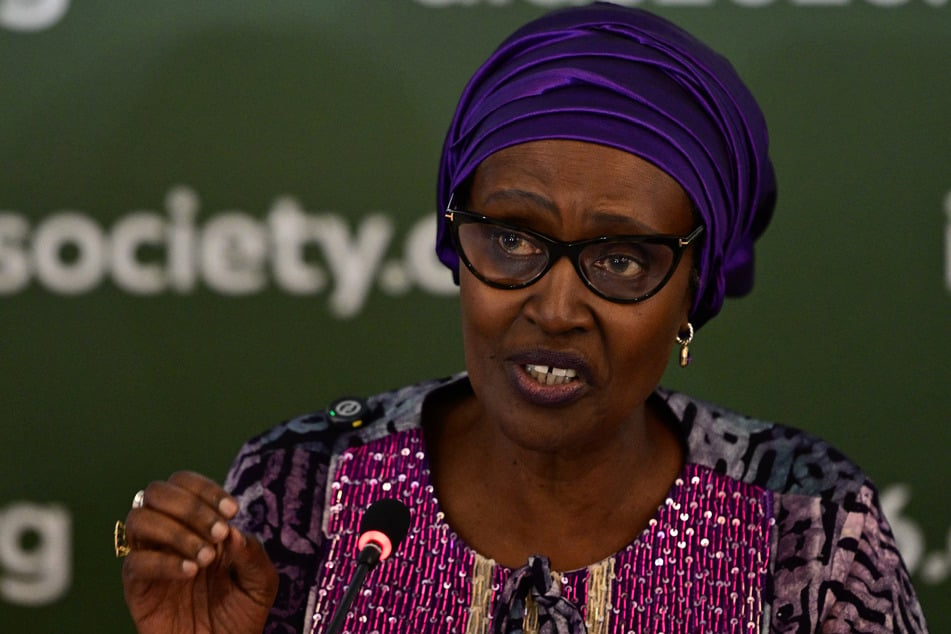
The world's response to the HIV epidemic is "absolutely faltering" after the biggest decline in funding in decades, UNAIDS deputy executive director Angeli Achrekar told AFP.
The US dramatically slashed foreign aid after Donald Trump returned to the White House last year, with European nations including France, Germany, and the UK following suit.
International financing for HIV in developing countries fell by 18% in 2025 alone, according to a UNAIDS report released at the 26th International AIDS Conference in Rio de Janeiro.
"If we do not collectively come together as we have in the past, we will see re-emergence" of the virus, Achrekar warned.
Since 2011, HIV funding from European countries has fallen by 58%, according to the report. As the European contribution decreased, the US share of the funding rose.
This meant that despite the sweeping cuts by the Trump administration last year, the US still provides 74% of donor government funding, the report said.
Developing countries with the highest HIV rates – many of which are in sub-Saharan Africa – are meanwhile "stepping up," Achrekar said.
Domestic HIV funding rose 4% last year and now represents 60% of the total, according to the report.
However, these figures are still "a drop in the ocean" compared to what is needed, UNAIDS chief Winnie Byanyima told AFP last month.
Full impact of spending cuts remains to be seen
Many low-income countries in Africa are dependent on overseas development assistance for 90% of their HIV response, the report said.
Experts have cautioned that it is still too early to see the full impact of the funding cuts.
The number of new HIV cases and AIDS-related deaths dropped to their lowest levels in more than 30 years in 2025, according to the report.
New infections, however, rose in 21 countries, it added.
Cover photo: PABLO PORCIUNCULA / AFP