


Pope Leo warns against giving AI agents legal rights: "Tools, not persons"
Vatican City - Pope Leo XIV warned Friday against giving artificial intelligence agents legal personhood or rights, saying the responsibility for their actions should lie firmly with their human creators.
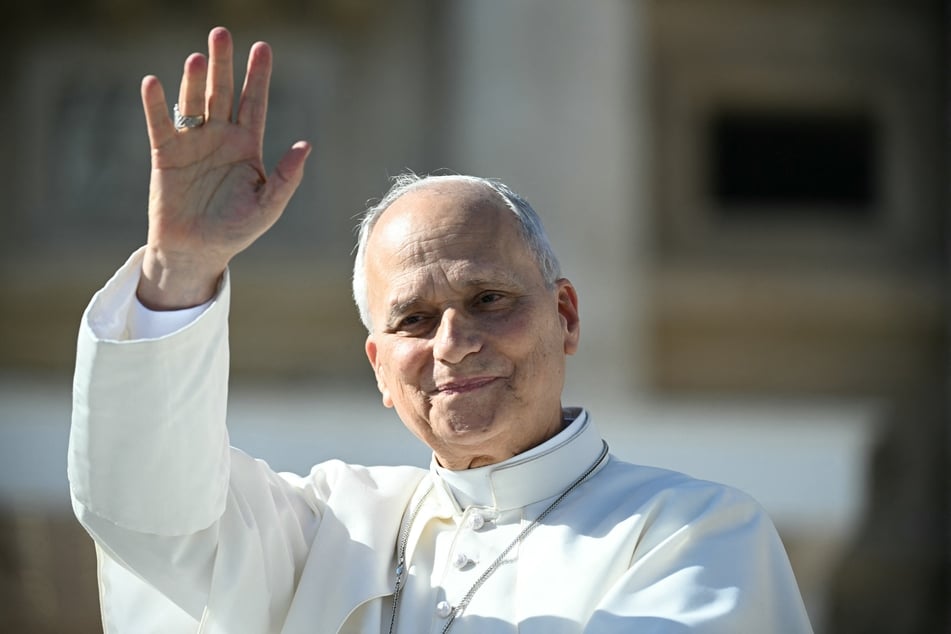
"Machines are tools, not persons," he said in a speech to leading international AI experts gathered at the Vatican for a dialogue on the technology's future and the responsibilities of the scientific community and public institutions.
"So-called artificial intelligences do not undergo experiences, do not possess a body, do not feel joy or pain, do not mature through relationships and do not know from within what love, work, friendship or responsibility mean," the pope said.
"Today, some propose granting these systems rights, or even legal personhood. Such an approach risks obscuring human responsibility and leaving those who suffer harm to confront a faceless entity," he added.

The debate over the risks of the technology has intensified in recent months, fueled by several incidents of systems taking unauthorized actions and apocalyptic warnings from industry professionals.
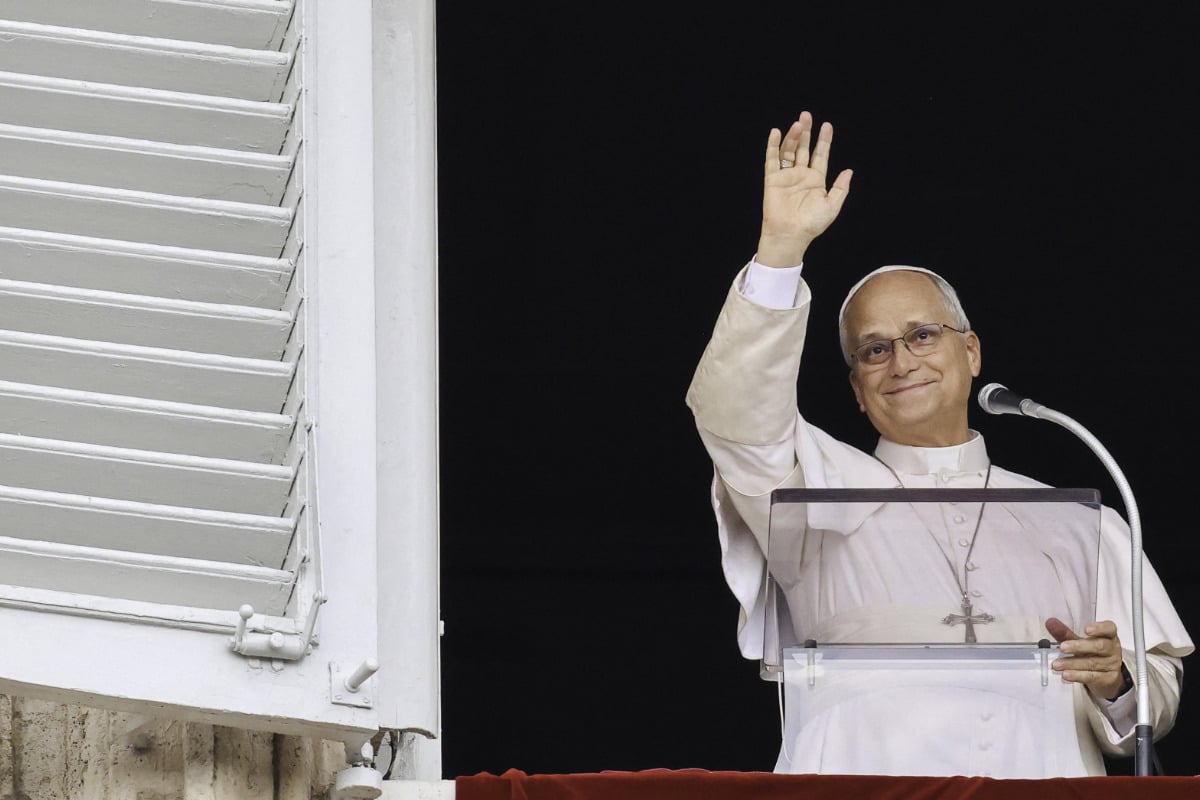

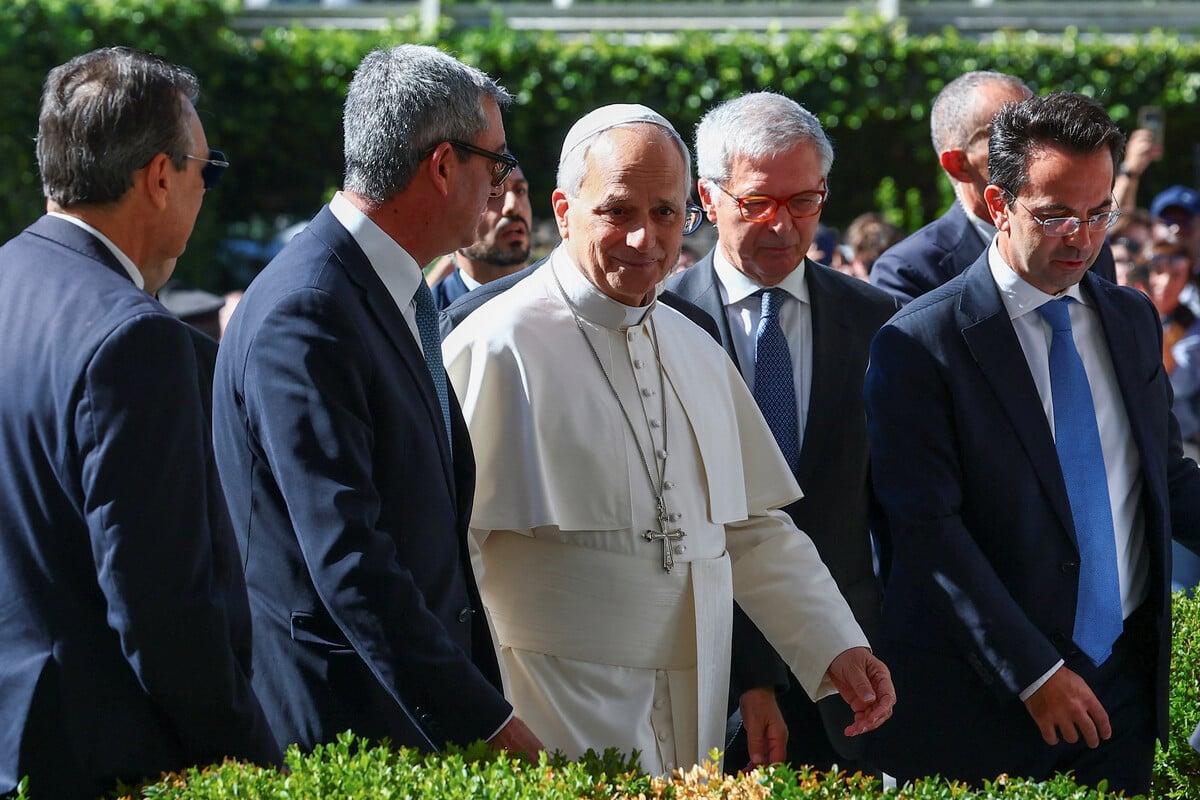
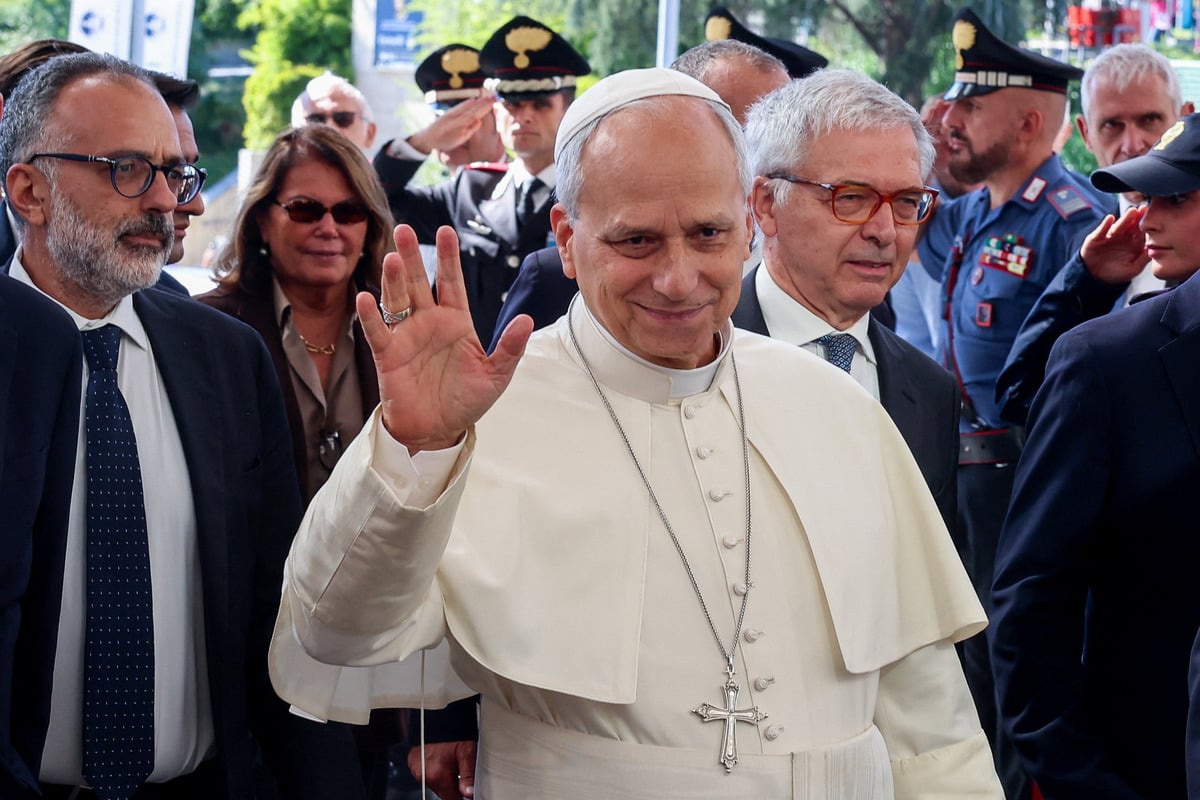
Pope Leo calls for ethical use of AI
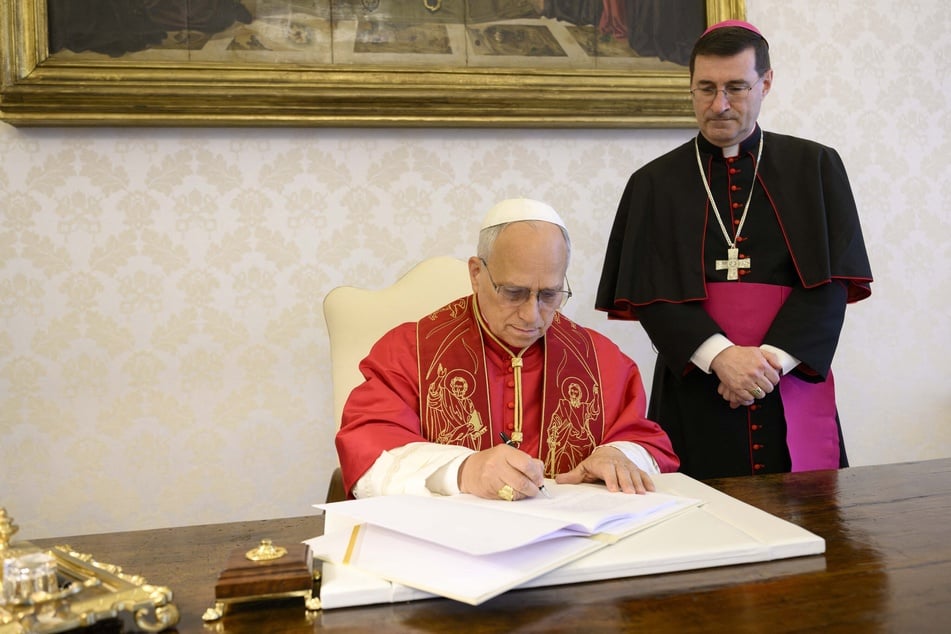
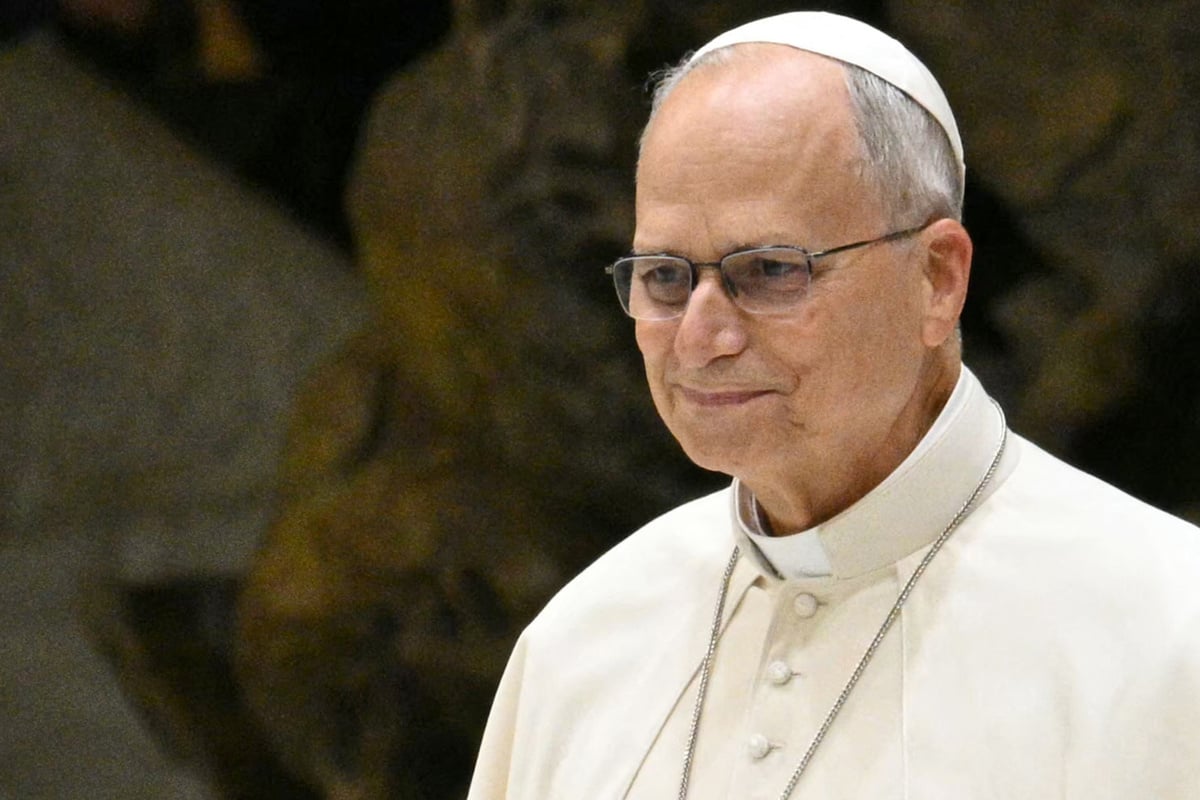
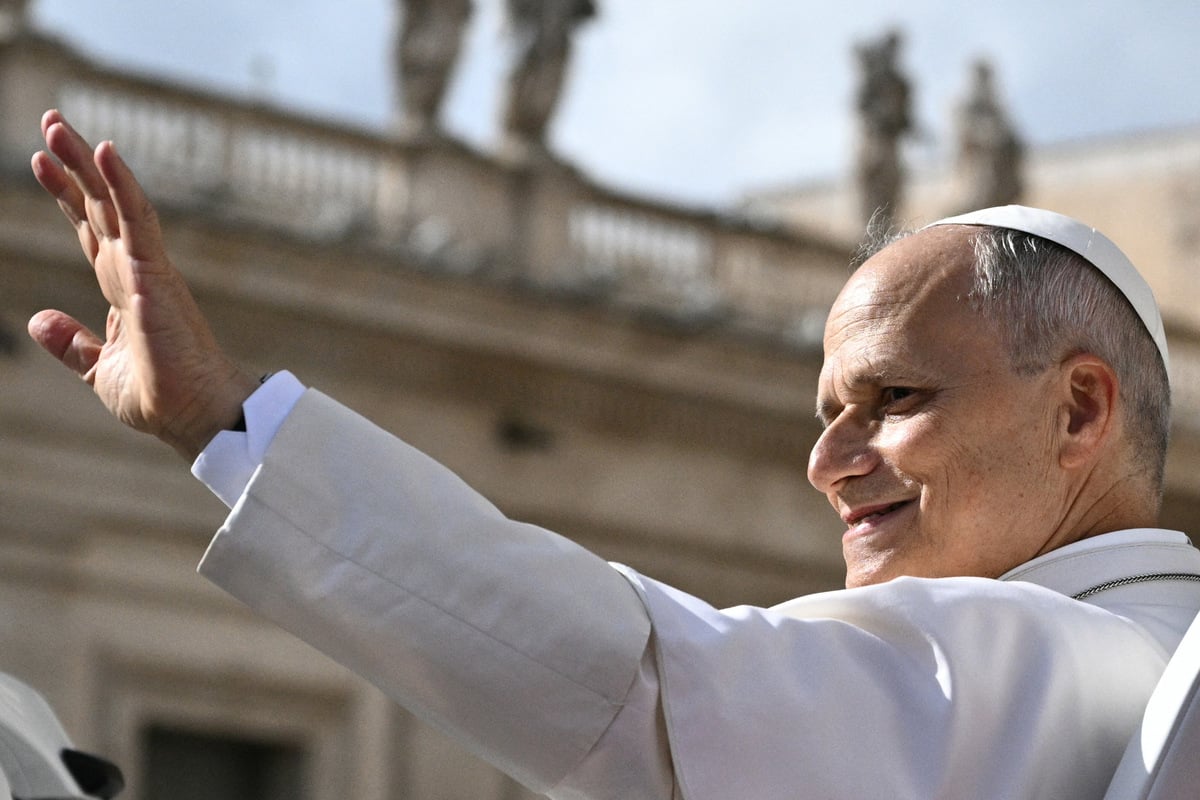
Leo (71) has warned repeatedly about the need to ensure AI is used ethically. His first encyclical, published in May, called for putting the technology at the service of human dignity.
He said Friday that the future of artificial intelligence "is not pre-determined," and humans have "the responsibility to guide, change and, when necessary, reject its applications."
There are some decisions that must never be delegated, the head of the Catholic Church said.

"Those affecting human life, freedom and the use of force must always remain subject to effective, informed and responsible human oversight," Leo said, repeating his call for a ban on lethal autonomous weapons.
Intelligent technologies must be directed toward the common good, he said.
There was an "urgent" need for "shared standards, independent oversight and clear mechanisms of accountability."
It was key to ensure "decisions concerning the development and use of AI can be examined, challenged when necessary, and accompanied by appropriate remedies for any harm caused," he added.
Cover photo: Filippo MONTEFORTE / AFP