


UN forum hears devastating impacts of Trump presidency for Black communities worldwide
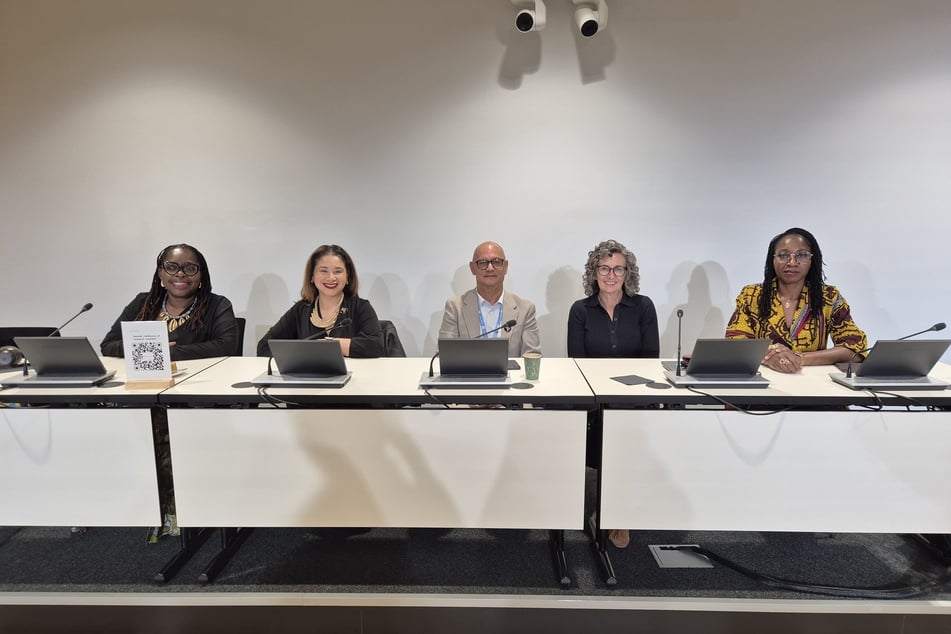
Geneva, Switzerland - During an official event on the sidelines of the UN Permanent Forum on People of African Descent on Wednesday, civil society representatives spoke to the devastating impacts of Donald Trump's presidency on Black communities not only domestically but also globally.
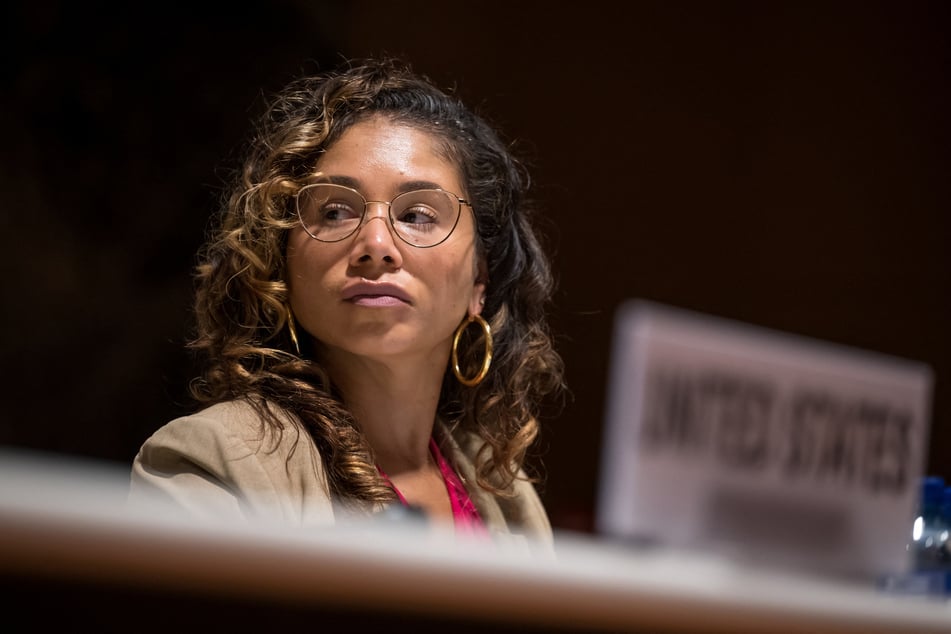
The Trump administration's attempts to suppress voting rights, ban efforts to address historic injustices, and radically slash funds for social programs disproportionately harm Black people in America, panelists said.
At the same time, the US government stands accused of seeking to impose a white-supremacist agenda overseas, particularly through the denial of US funding and dismantling of critical infrastructure promoting international cooperation and multilateralism.
This includes the January 2026 expansion of an existing "global gag rule" to bar US non-military foreign aid to any entity the government sees as promoting DEI or so-called "gender ideology."
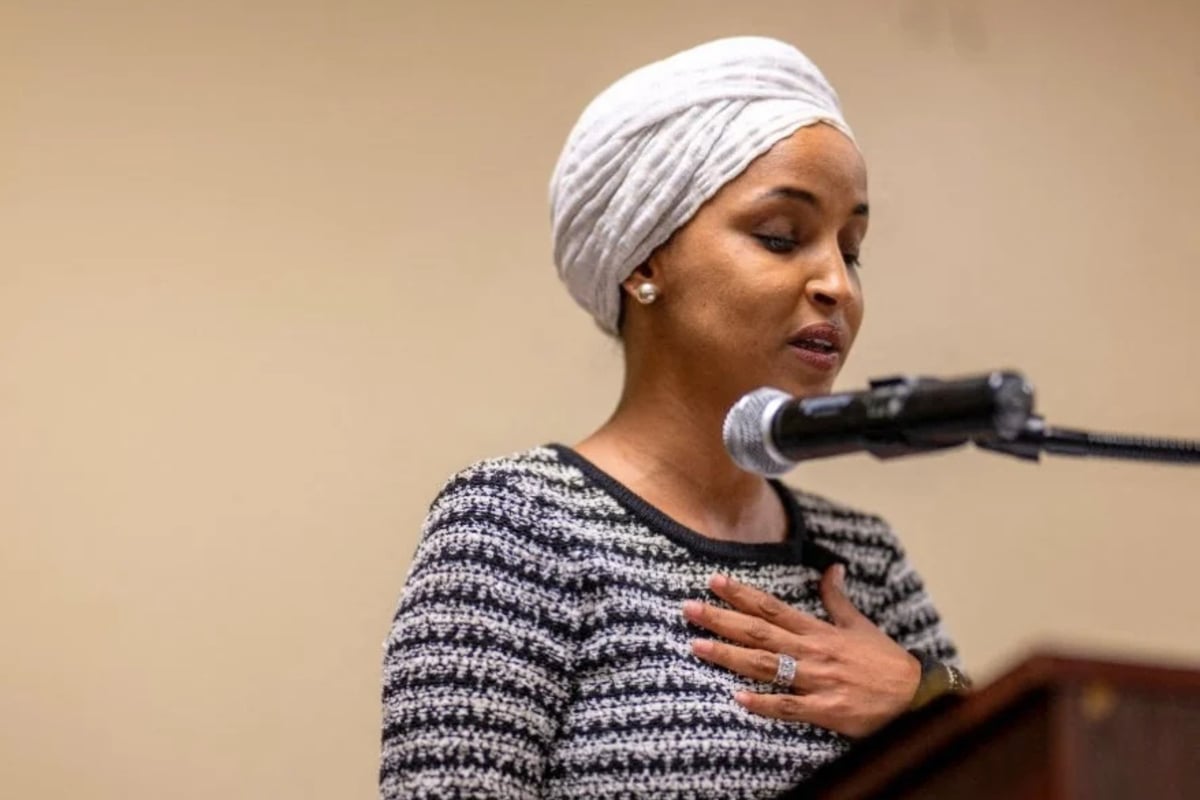
For Desirée Cormier Smith, these actions raise the impossible question: "How can you ban diversity in a diverse world?"
Cormier Smith served as the State Department's special representative for racial equity and justice from 2022 to 2025. After Trump's second election, she co-founded the Alliance for Diplomacy and Justice with fellow former diplomats and elected officials who share the goal of centering human rights in US foreign policy.
"I think it’s important for American civil society to be honest about what’s going on in our country as we continue to organize and resist," she said.
White-supremacist ideologies on the rise
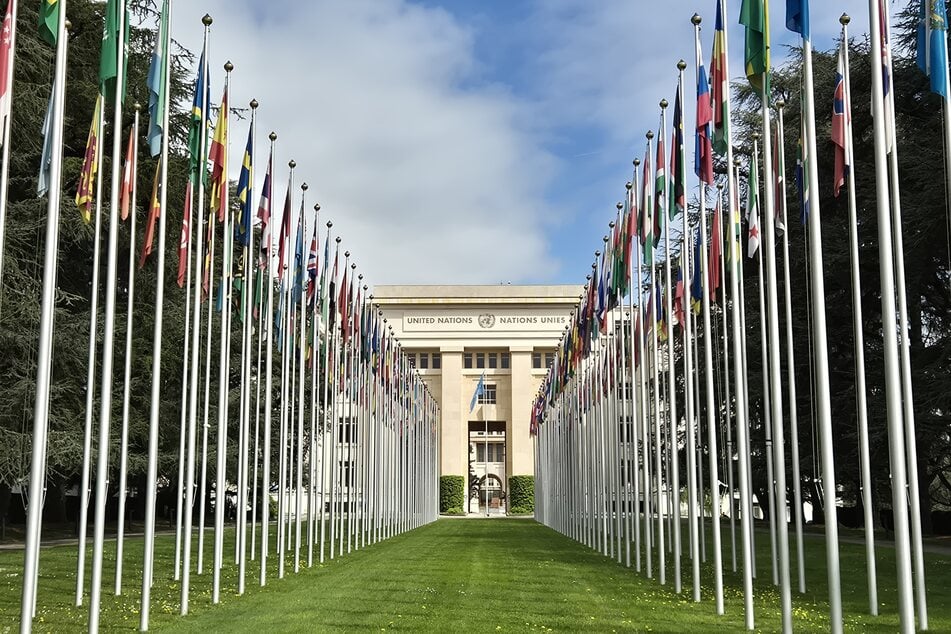
Wednesday's panel took place on the second day of the fifth session of the Permanent Forum on People of African Descent, the largest platform for people of African descent within the UN.
Trump withdrew the US from PFPAD in January along with dozens of other organizations and entities the administration cast as a "threat to our nation’s sovereignty, freedoms, and general prosperity," per Secretary of State Marco Rubio.
Panelists saw the move as yet another sign of the US government's embrace of anti-Black ideologies.
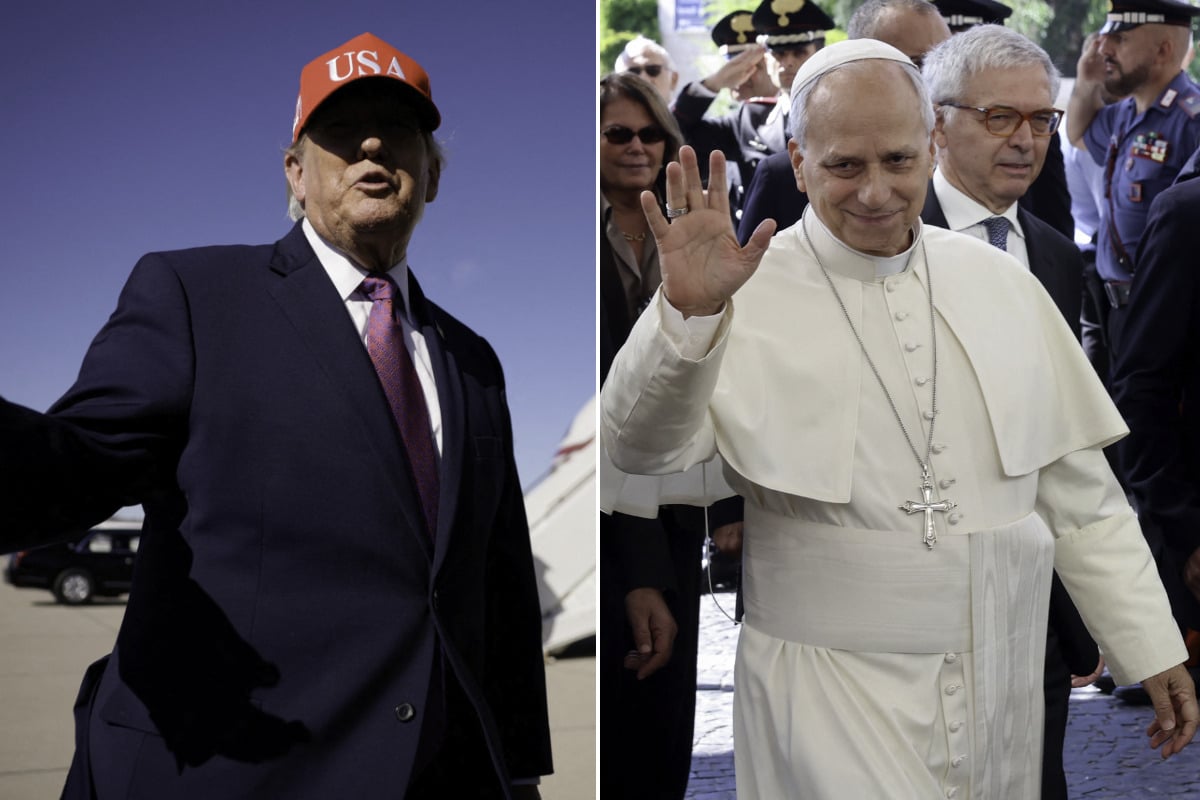
"We have been warning over the last decade that these ideologies of white supremacy and antisemitism as well, like the great replacement theory, have been gaining mainstream acceptance in US politics," said Lisa Borden, deputy federal policy director at the Southern Poverty Law Center.
SPLC documented 1,371 hate and anti-government extremist groups across the US in 2024. The organization also found those groups, whose rise is fueled by false claims of "Christian persecution" and "white genocide," are having a growing influence on local, state, and national government.
Anti-immigration agenda as method of control
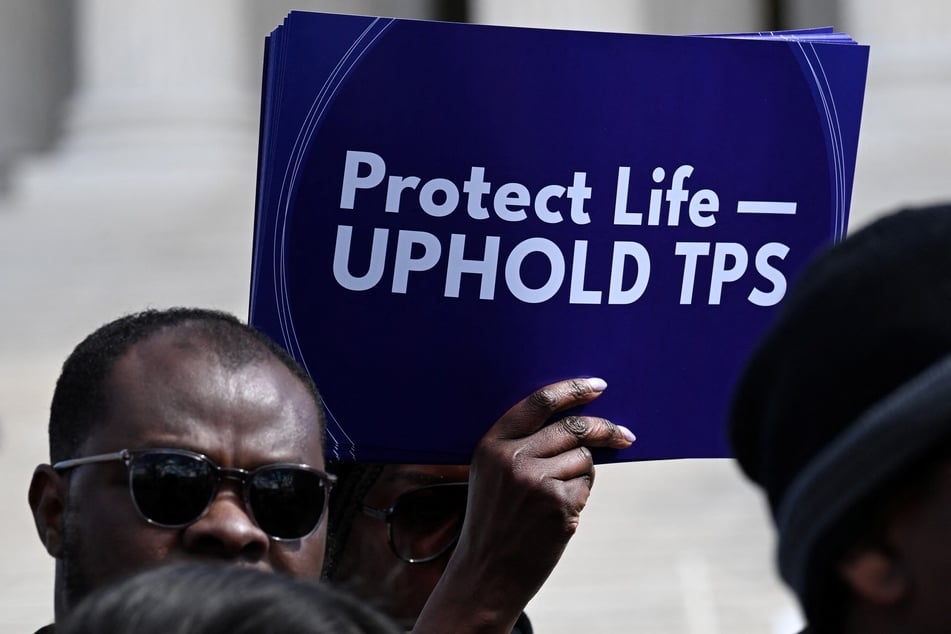
For Nana Gyamfi, executive director of the Black Alliance for Just Immigration, the administration's approach to immigration illustrates how US domestic and foreign policy intersect in ways deeply harmful to communities of African descent.
Violent raids, abductions and detentions of immigrants regardless of legal status, and killings of citizens and noncitizens alike have made international headlines since Trump's January 2025 return to the White House.
"What we've seen is literally an invasion of the body snatchers," Gyamfi said. "We have cities and towns that are under siege."
Meanwhile, the US is seeking to denaturalize citizens, strip Temporary Protected Status protections, and severely limit visas to people from majority-Black countries.
BAJI released a report after 100 days of Trump's second presidency, describing his immigration agenda as driven by three core strategies: to "kick us out," "lock us up," and "keep us out."
Gyamfi added a fourth strategy on Wednesday: to "push us down," explaining that the Trump administration's anti-immigrant actions are part of a broader effort to get other nations to "bend the knee and do what the United States wants."
Growing threats to civil society
Many long-standing organizations are facing growing challenges as they resist these threats to people of African descent and fight for a global order rooted in human rights.
Carlos Quesada, executive director of the Institute on Race, Equality and Human Rights, identified the dramatic reduction in US foreign aid as one of the primary challenges he has experienced since Trump's second inauguration.
After January 2025, Quesada said his organization had to cut funding, lay off staff, and reduce assistance to other groups they were supporting.
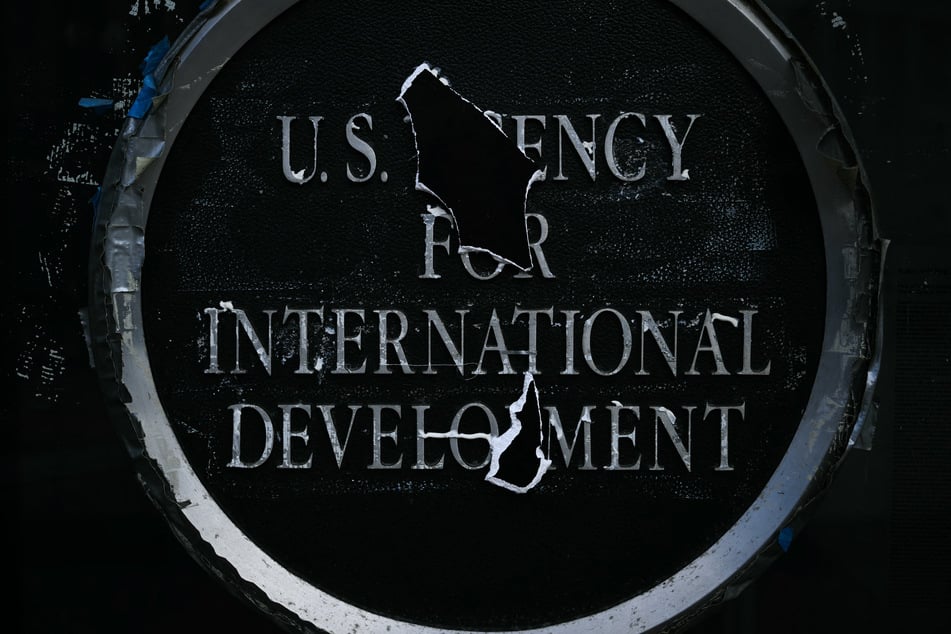
The dismantling of the USAID agency has also forced organizations across Latin America, many of whom were serving Indigenous and Afrodescendant populations, to shutter their operations, Quesada added.
The escalating attacks on civil society have fomented a climate of fear in the US.
"The weaponization of national security concerns and apparatus against civil society is one of the most frightening things that is happening," Borden explained.
Panelists emphasized the need to strengthen relationships, build communities, and create infrastructures for mutual aid beyond the non-profit framework, even as they continue their activities.
"The surveillance is really much higher now," Gyamfi said. "And still, we do the work that we need to do because surveillance has always been a condition of life for people of African descent."
Cover photo: TAG24 NEWS