


Cuba's revolutionary legacy takes center stage at UN Permanent Forum on People of African Descent
Geneva, Switzerland - Calls for solidarity with the Cuban people resounded at the United Nations in Geneva last week as activists gathered for a special event on the island nation's revolutionary legacy.
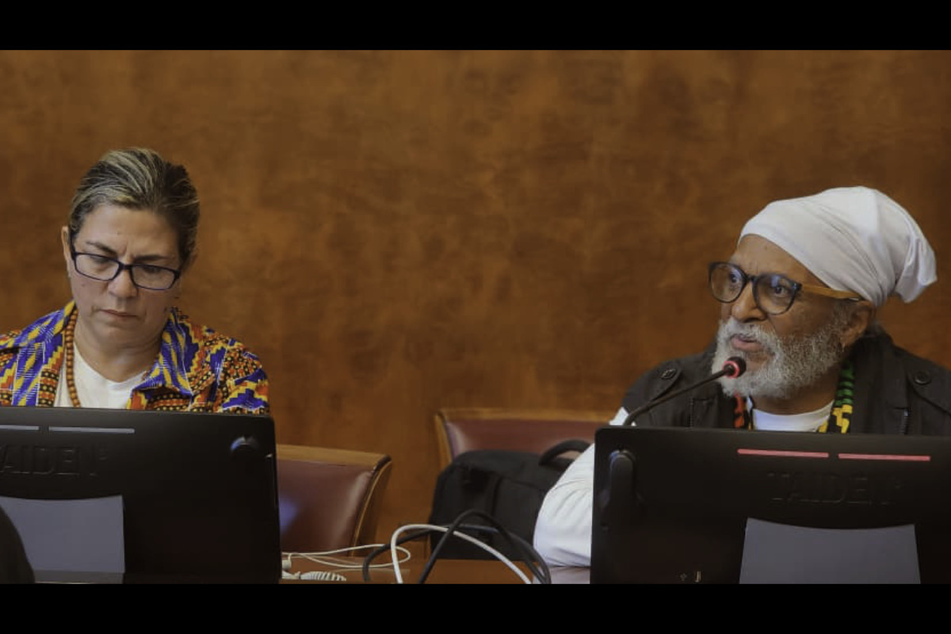
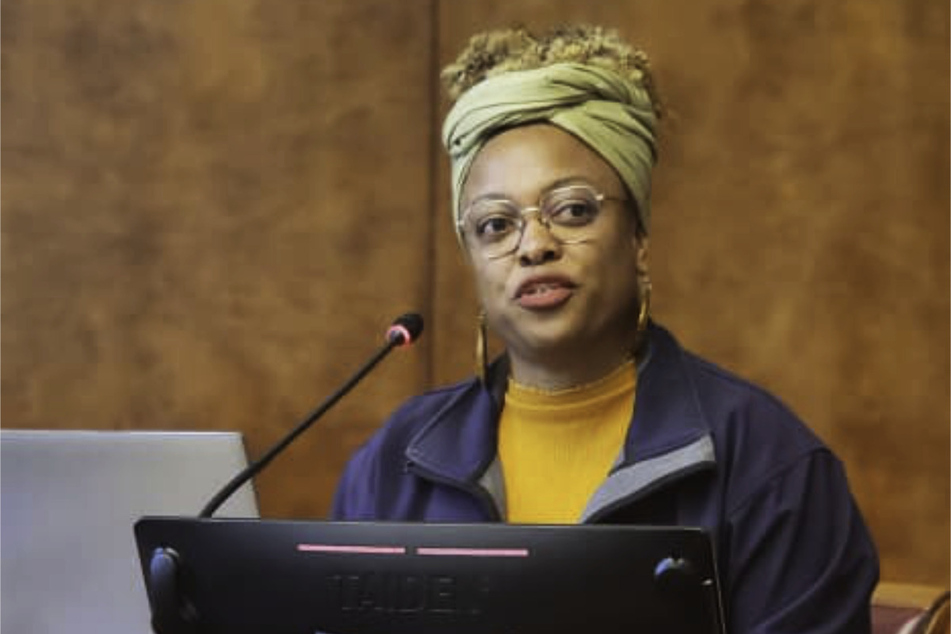
Friday's panel event at the Palais des Nations took place on the sidelines of the UN Permanent Forum on People of African Descent and opened with a screening of the documentary Cuba in Africa (2021), directed by Negash Abdurahman.
The film depicts Cuba's involvement in 20th-century African independence movements following the 1959 revolution led by Fidel Castro. It features interviews from former Cuban soldiers who fought on the front lines against colonialism and apartheid in southern Africa.
"When Cuba needed solidarity for our different decades of struggle for independence, we received solidarity – and that was the time to give back," said Dr. Kenia Serrano Puig, coordinator of Karibuni, a community development project dedicated to preserving shared traditions of Cuba, Africa, and the African diaspora.
The legacy of Cuba's solidarity with African peoples can still be felt on the island today, as New Afrikan People's Organization co-founder Dr. Kwame-Osagyefo Kalimara recalled: "On one of my most recent trips to Cuba, I had the opportunity to meet elder Cuban combatants who literally fought, and I have to say, it’s welling me up even just thinking about it."
"The women and men that I met in the Karibuni community expressed their pride in fighting for the African people on the African continent. They embraced me. They pulled out their wallets and showed me pictures of themselves dressed in their uniforms and with their medals. And they also shared pictures with me of their children who also gave service and their medals."
In addition to sending troops to support African independence movements, Cuba was hailed for its history of providing refuge to revolutionaries, including the late Black liberation activist Assata Shakur.
"Cuban solidarity is unmatched. We need to acknowledge that," Kalimara insisted.
"Who is not ready to give their life for their siblings?"
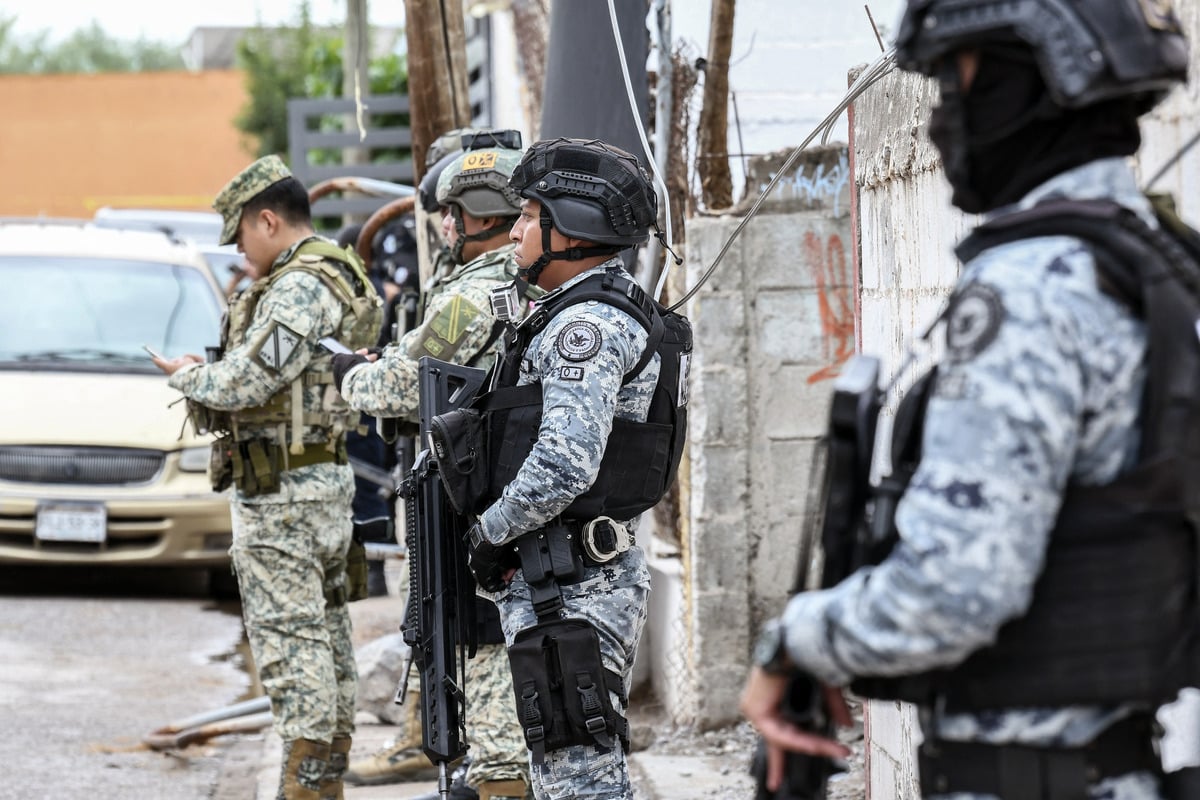
Friday's event took place as the Trump administration has cut off Cuba's access to fuel after authorizing a military operation in January to abduct President Nicolás Maduro of Venezuela, Havana's primary oil supplier.
The Caribbean island now faces a severe energy crisis that has resulted in rolling blackouts, strained health care and transportation systems, and dire shortages of food, medicines, and other essentials.
Donald Trump has also ramped up his threats of invasion, saying in March that he believed he would have "the honor of taking Cuba."
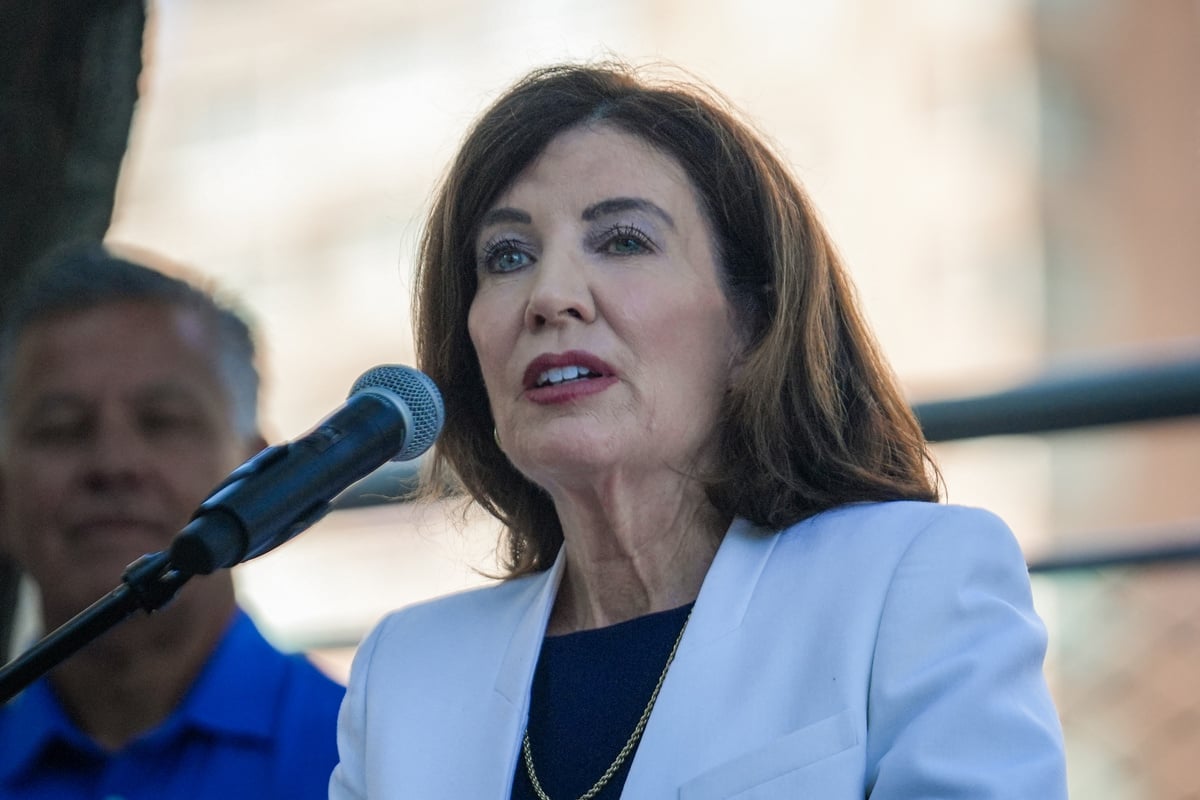
In response, Cuban President Miguel Díaz-Canel warned the US would face "unbreakable resistance" if it tried to take over the country.
"No foreign power is allowed to come and interfere in our internal affairs," Serrano declared at the UN on Friday.
Cuba's history of support for Black liberation struggles makes it all the more important that people of African descent stand with Cuba today, event attendees heard in Geneva.
"Africa is the uterus of humanity. The debt is permanent. Without Africa, it wouldn't be possible to be here today," said Dr. Geydis Fundora of the Cuban chapter of La Red de Mujeres Afrolatinoamericanas, Afrocaribeñas y de la Diáspora.
Fundora considers attempts to divide people of African descent to be a means of maintaining existing systems of oppression. Instead, she advocates a decolonial perspective which recognizes the connections among people in Cuba, Africa, and across the African diaspora.
"Who is not ready to give their life for their siblings?" Fundora asked. "When I understand that my brothers and sisters bleed far away, they are my brothers and sisters, and I am ready to offer my blood for them."
"There are lessons learned that we cannot repeat"
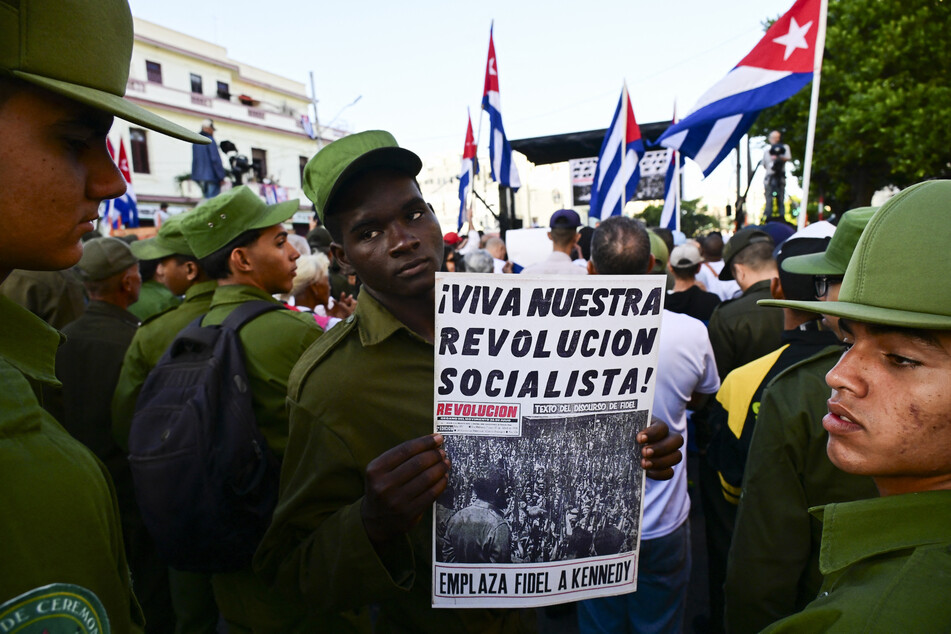
Amid the Trump administration's escalating attacks, some attendees of the Permanent Forum elected to sign a declaration of "full solidarity with the Cuban population."
The text called for lifting the US blockade, condemned the Trump administration's threats of invasion, and affirmed "the right of Cubans to live in peace, to be supportive, happy, resistant, resilient and spiritual and attached to their roots, culture, and traditions, in which the heritage of our African ancestors is present."
When asked what people can do to help Cubans today, Kalimara called for the creation of grassroots campaigns to support the island's economically besieged population while continuing to press US officials to end the blockade. He also urged people to speak with their families and communities about Cuba and the need for solidarity.
Serrano asked for supporters to provide visibility for community organizations in Cuba and to accompany the nation in its energy transition.
When it comes to challenging systems of domination, Fundora said people of African descent can draw strength from their traditions of resistance.
"In our Black communities, we have other ways of organizing ourselves," she insisted. "There are different ways of organization, accumulation, and distribution that the current system doesn't understand."
"We have to remember what happened in each of our communities when we achieved freedom and independence," Fundora continued. "There are lessons learned that we cannot repeat. When reparations comes, we cannot forget about those experiences."
Cover photo: YAMIL LAGE / AFP