


Jeff Bezos's Blue Origin rocket explodes into giant fireball on launch pad
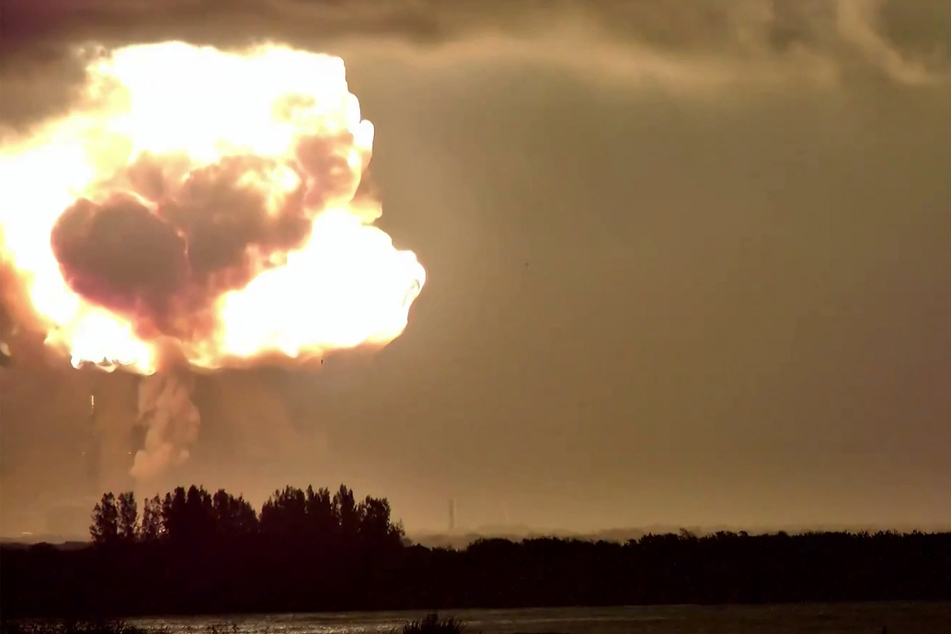
Cape Canaveral, Florida – Jeff Bezos's Blue Origin rocket unleashed a massive fireball as it exploded during a test on Thursday, in the latest blow to the billionaire's space ambitions.
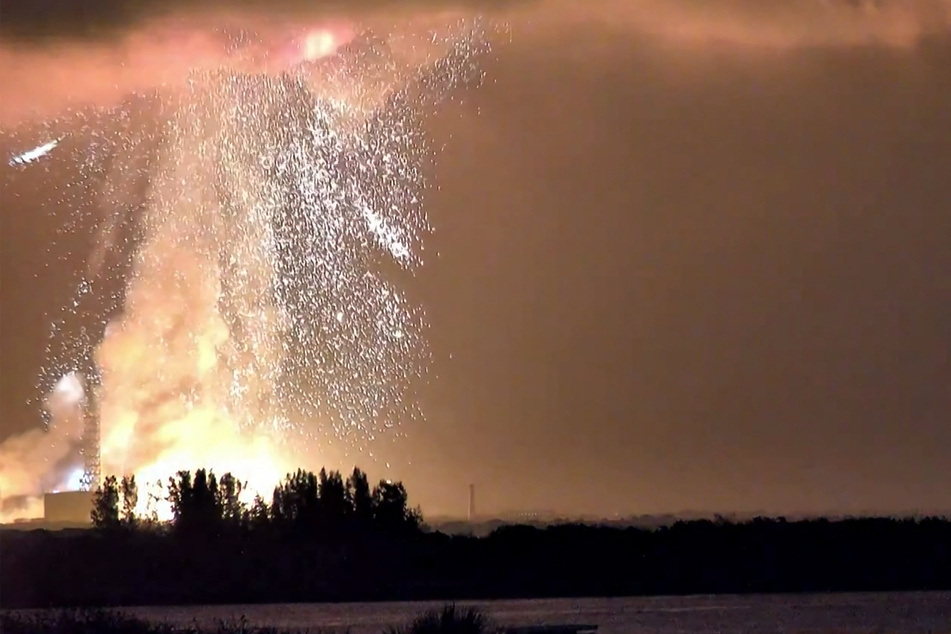
Footage shows the towering New Glenn rocket erupt in an inferno, followed by a mushroom cloud of smoke.
Bezos's space company Blue Origin said in a brief statement posted to X that it had experienced an "anomaly" during the test in Cape Canaveral, Florida, and that "all personnel have been accounted for."
The explosion is the latest setback to the Amazon boss's position in the frenzied race between private companies pushing for space exploration.
"It's too early to know the root cause but we're already working to find it," Bezos said on X.
"Very rough day, but we'll rebuild whatever needs rebuilding and get back to flying. It's worth it."
Rocket explosion is just the most recent Blue Origin fiasco
The New Glenn rocket is at the heart of Blue Origin's space ambitions, particularly in its battle against Elon Musk's SpaceX, which is currently developing the biggest rocket in history, Starship.
Musk dubbed the accident "most unfortunate."
The disaster follows the New Glenn rocket's failed mission to deliver a communications satellite into the correct orbit, prompting an investigation.
The US Federal Aviation Administration (FAA) required Blue Origin to conduct a "mishap investigation," which was completed earlier this month.
"The FAA has approved our NG-3 report, and corrective measures have been implemented," Blue Origin said last week, explaining that thermal conditions caused one of the rocket's engines to not achieve its full thrust, causing it to miss its target orbit.
NASA says "spaceflight is unforgiving"
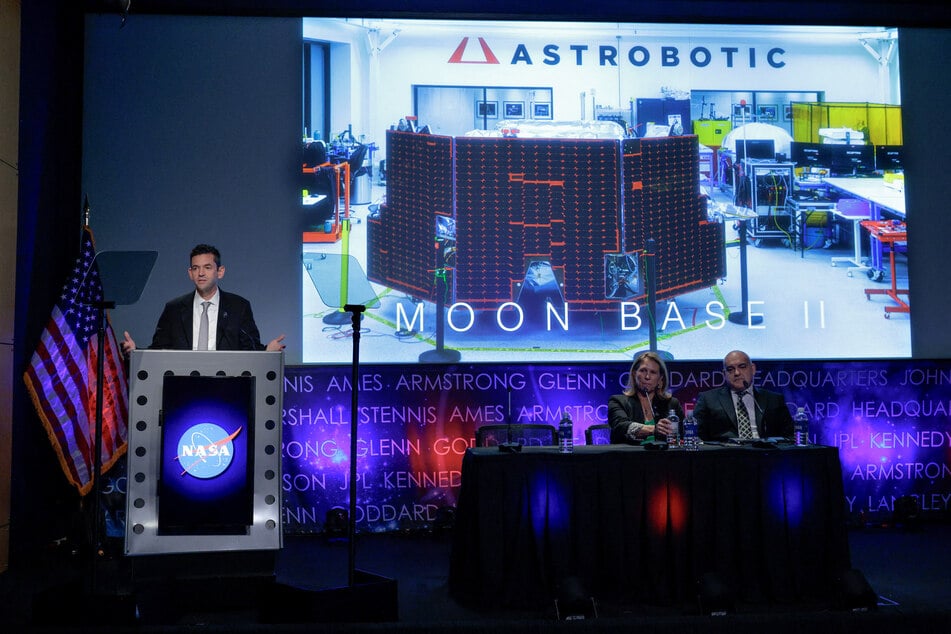
NASA and Blue Origin had been working together to develop a lunar lander for its Artemis moon missions.
NASA Administrator Jared Isaacman said NASA was aware of the explosion.
"Spaceflight is unforgiving, and developing new heavy-lift launch capability is extraordinarily difficult," he wrote on X.
"We will work with our partners to support a thorough investigation of this anomaly, assess near-term mission impacts, and get back to launching rockets."
NASA is aiming to test an in-orbit rendezvous between spacecraft and one or two lunar landers in 2027, and carry out a crewed lunar landing before the end of 2028.
But a lot needs to happen before then – and industry experts have repeatedly voiced skepticism that Blue Origin and SpaceX can achieve benchmarks in time.
Cover photo: collage: - / JOHNCN (@JCONCILUS) ON X / UGC / AFP&