Washington DC - The US unexpectedly lost thousands of jobs in July, government data showed Friday, a blow to President Donald Trump's claims of leading an economic revival as his Republican Party gears up for crucial midterm elections.
The world's largest economy lost 23,000 jobs in July, data published by the Bureau of Labor Statistics showed, signalling potential labor market weakness after months of steady growth.
The unemployment rate ticked down to 4.1%, likely a result of falling labor supply as the economy grapples with an aging population and lower net migration.
Since taking office for his second term, Trump has unleashed a spate of policies aimed at reviving domestic manufacturing and curbing surging inflation.
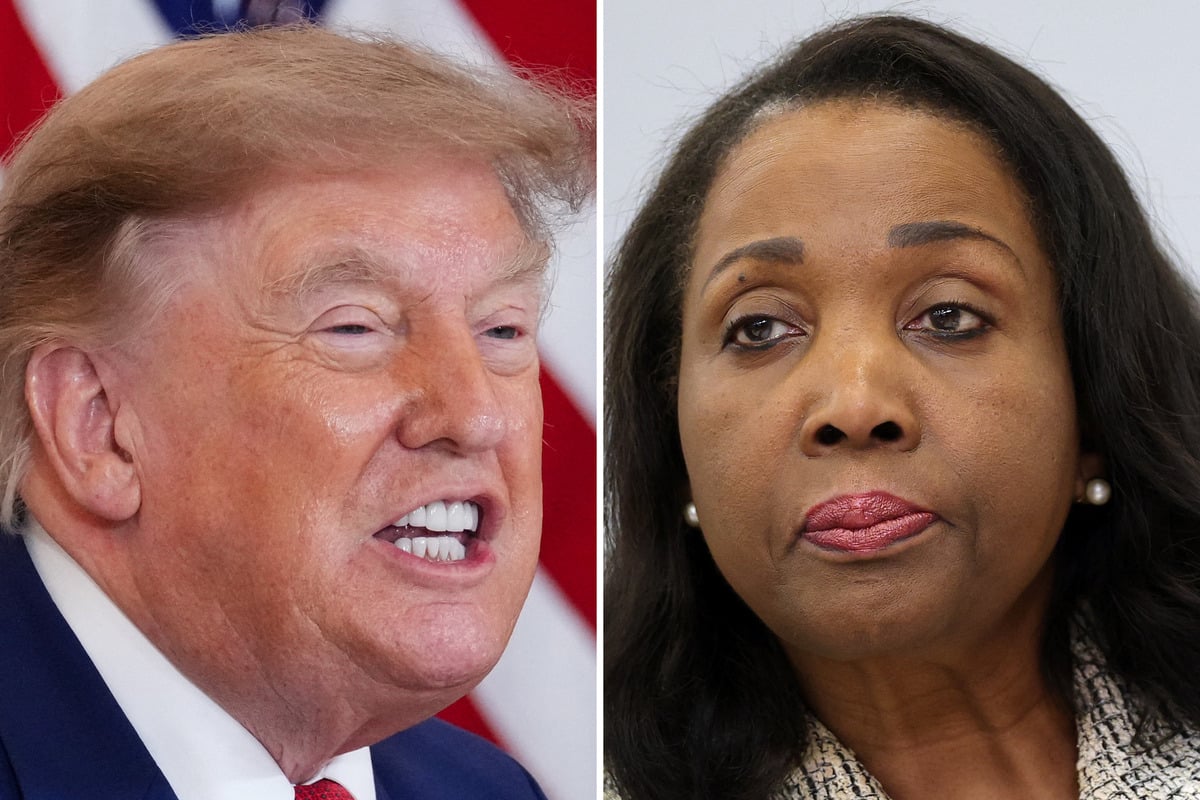
Republicans face a stiff test in November's midterm elections, with the state of the economy a key issue for Democrats who are seeking to wrest back control of both houses of Congress.
Friday's data will also pose a question to the US Federal Reserve, which has been signalling it was preparing for a rate hike later this year.
In addition to the loss of jobs in July, the BLS revised down job growth in the previous two months by 103,000, showing the labor market to be less robust than previously reported.
Based on the new figures, job growth hit a peak in March before declining in the next three months and entering negative territory in July.
Analysts had expected further job growth, with economists polled by Dow Jones Newswires and the Wall Street Journal expecting 83,000 new jobs to be added in July.
The decline and revisions to the previous months will spark concern that the labor market may not be as strong as was previously reported.

Poor jobs report could spell trouble for the GOP ahead of midterms
The unemployment rate has remained relatively steady through choppiness in the labor market, due to the overall drop in labor supply.
Friday's figures showed the labor force participation rate – a key metric – dropped slightly in July, after a sharp decline the month before.
Policymakers at the Federal Reserve watch the labor market closely, as their dual mandate requires the Fed to deliver maximum employment while ensuring inflation remains at a long-term target of 2%.