


Rubio discusses Arctic security with Canadian and European leaders during meeting in New York
New York, New York - Secretary of State Marco Rubio on Monday met with the foreign ministers of Canada and several European countries to discuss Arctic security issues and investment.
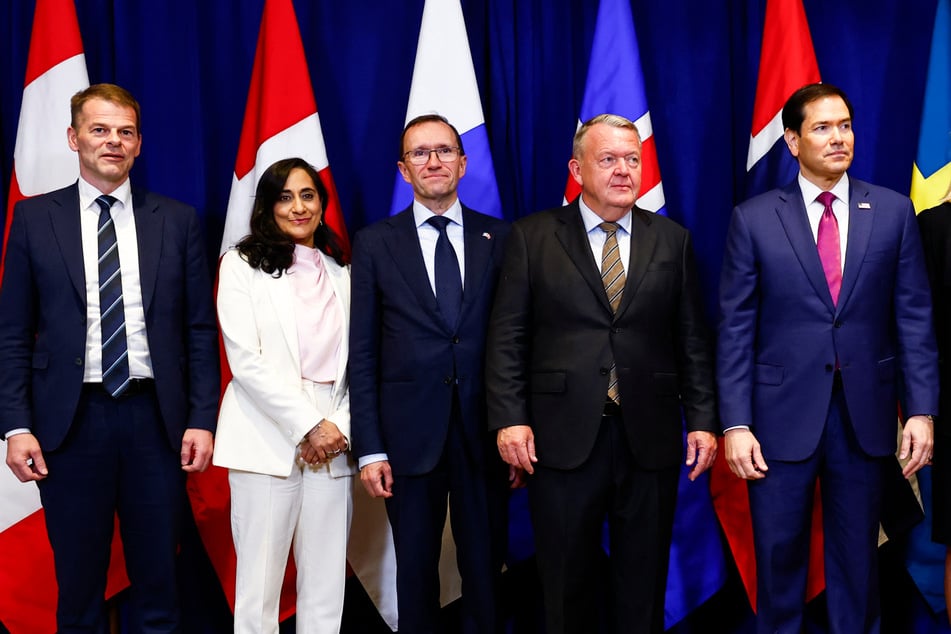
According to a statement from State Department spokesperson Tommy Pigott, Rubio met with the foreign ministers of Canada, Denmark, the Faroe Islands, Finland, Greenland, Iceland, Norway, and Sweden.
"The meeting reinforced the strategic imperative of sustained allied investment and coordination on shared challenges in the Arctic," the statement read. "Allies agreed that Arctic security requires continued investment to safeguard this vital region."
"Discussions focused on taking greater responsibility for Arctic security by developing sovereign military and economic capabilities, ensuring investment security, and funding resilient critical infrastructure that ensures reliable access and supports our shared leadership in the Arctic."
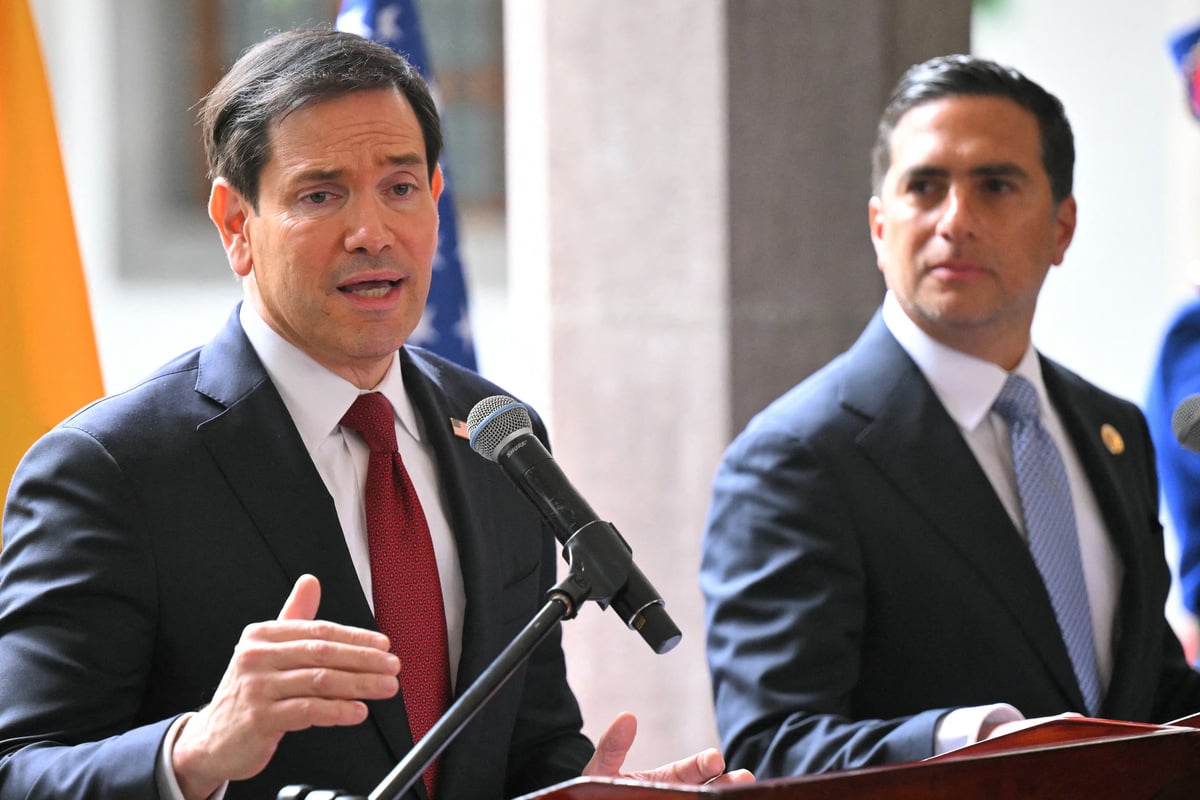
Crucially, Rubio put an emphasis on the Icebreaker Collaboration Effort Pact – shared by the US, Canada, and Finland – as an example of effective cooperation.
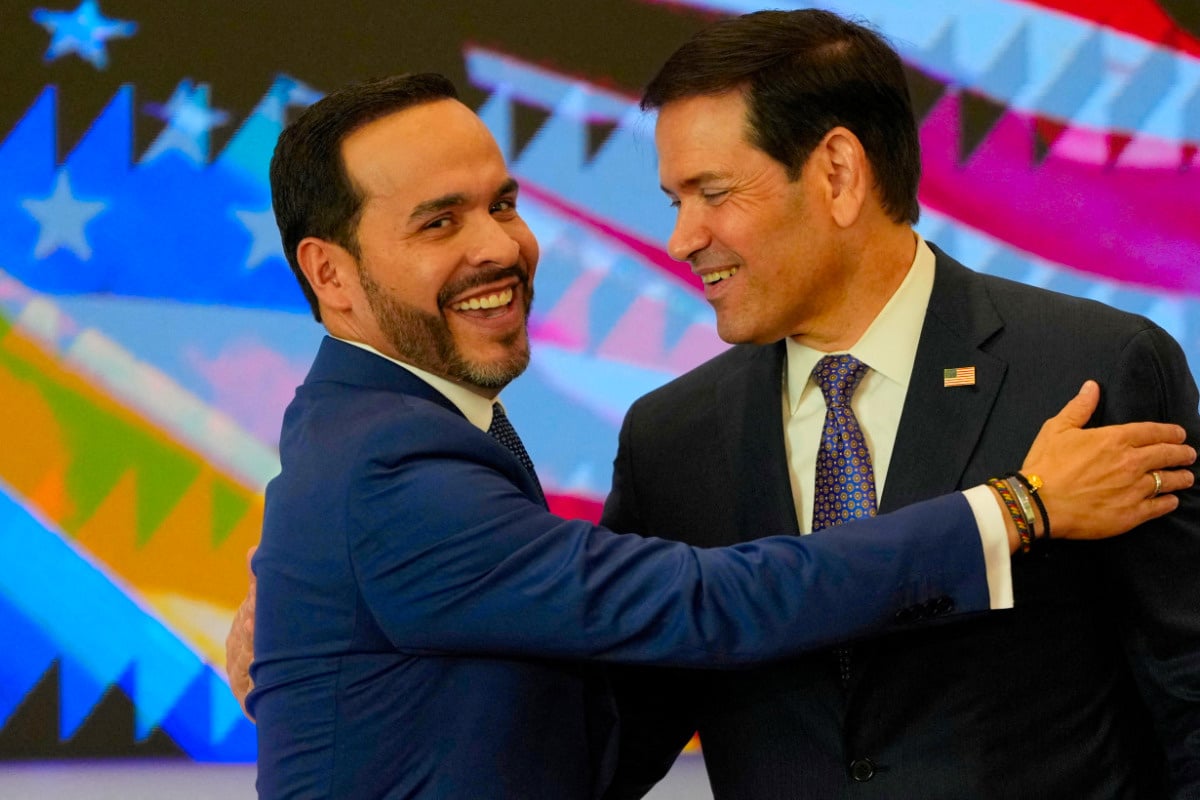
Rubio also took some time to meet with Bolivian President Rodrigo Paz, whom he praised for his "continued efforts to stabilize Bolivia's economy."
"Secretary Rubio and President Paz also discussed regional security cooperation, particularly against narcoterrorists, and support for Bolivia's continued political stability," Pigott said in a statement.
The meetings come as tensions continue to flare between the US and various nations, most notably Canada and Denmark, in the north Atlantic.
Canadian Prime Minister Mark Carney last week visited the European Union Parliament in Strasbourg, where he attended a major address by EU Chief Ursula von der Leyen and gave a dramatic speech declaring a "new alliance" with the bloc.

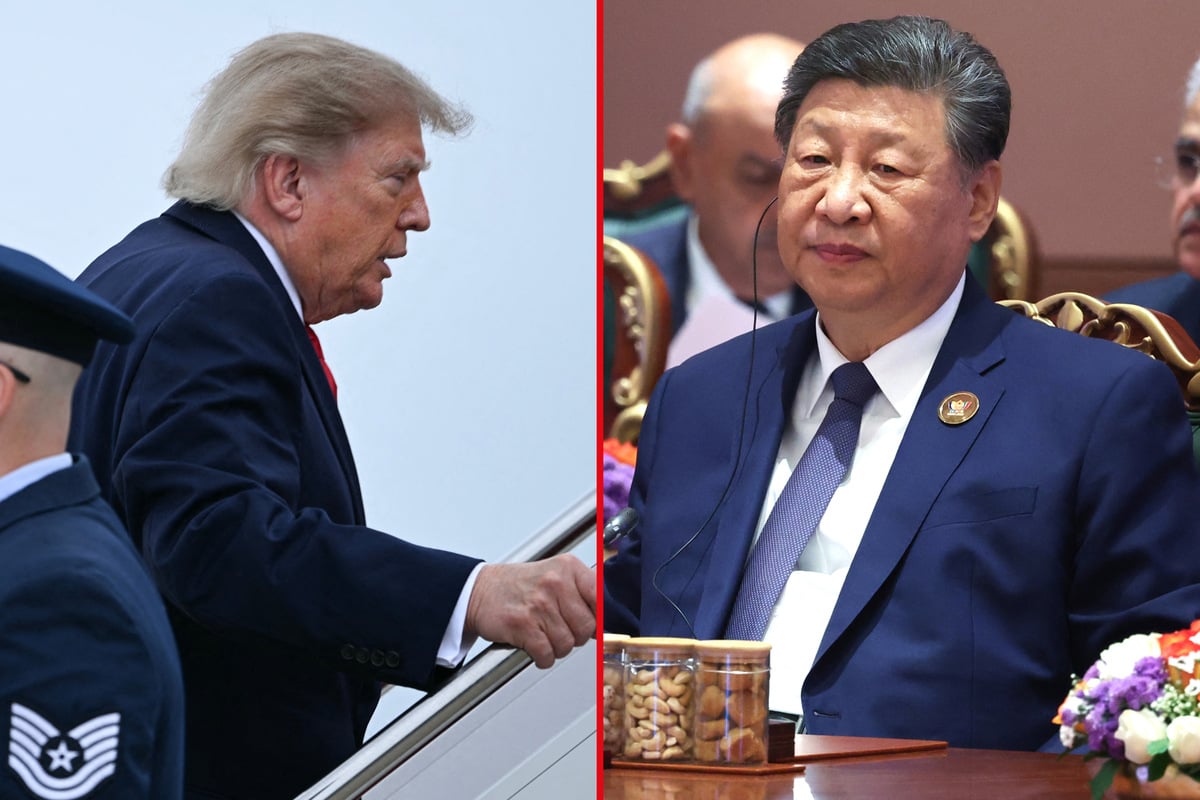
Over the weekend, President Donald Trump also hailed a "binding" deal with Denmark to give the US "permanent control" of Greenland's security. The move did not, however, stop him from again suggesting an annexation of the territory on social media.
Cover photo: AFP/Jeenah Moon/POOL