


Haitian immigrants face dire uncertainty as Temporary Protected Status ends: "You're like a prisoner"
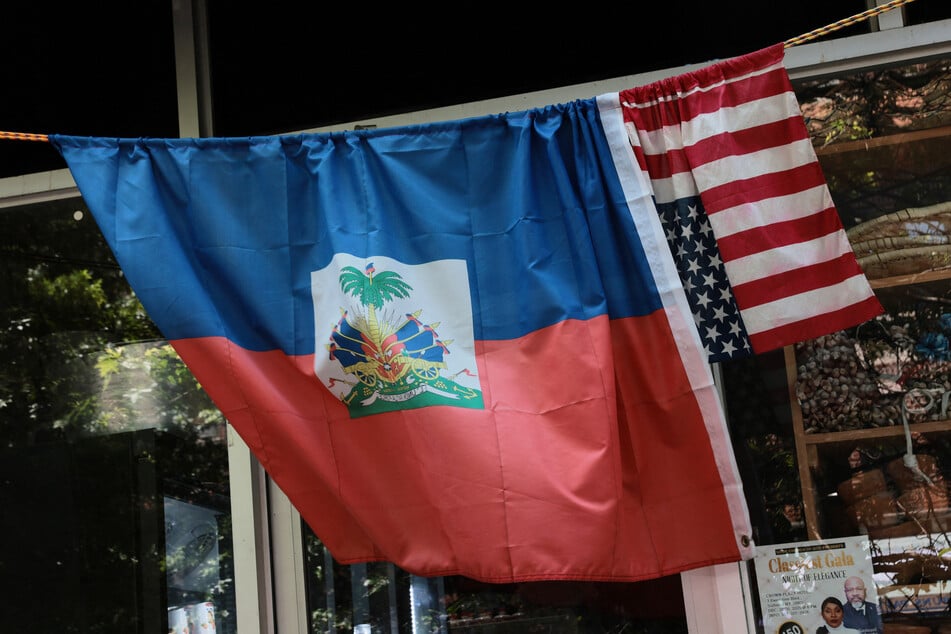
Washington DC - Tens of thousands of Haitians faced the prospect of leaving the US or being deported, with the special protected status allowing them to live and work legally in the country set to expire on Monday.
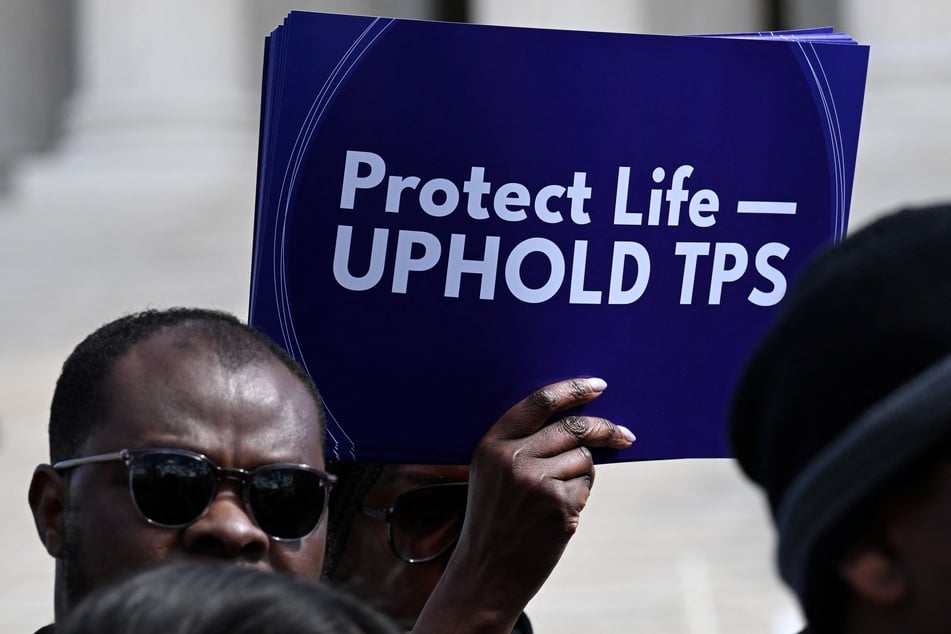
The Supreme Court said last month the Trump administration could end Temporary Protected Status for Haitians and some 6,000 Syrians without judicial review, although the impact of the decision could apply to migrants from many other backgrounds.
An estimated 350,000 Haitians live in the US under the program, with many working in healthcare and construction.
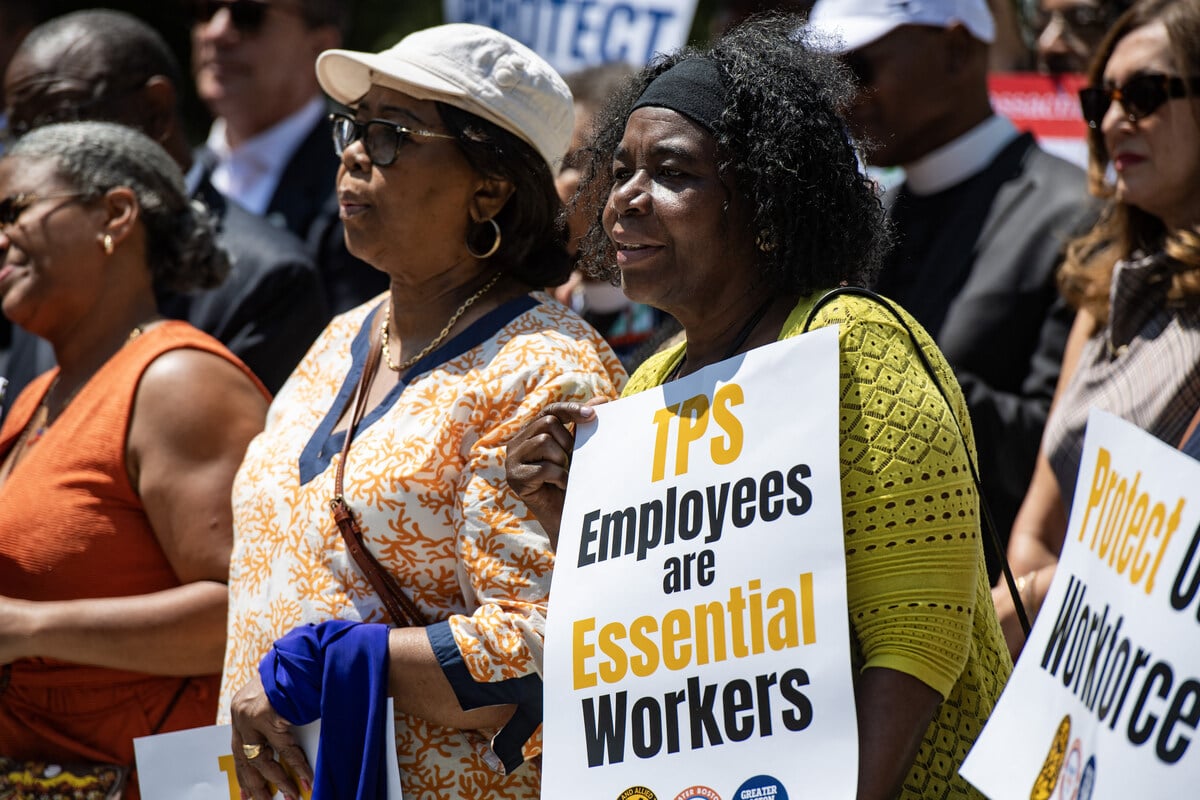
The president of the New York Nurses Association Nancy Hagans told AFP that thousands of her members would be unable to work following the end of TPS for Haitians from the end of Monday.
"What the government just did was take resources not only from the hospitals, from the nursing homes, from the underserved communities (but) also taking away economic value from our communities," she said.
One Haitian healthcare worker in the US under TPS for many years said she was still deciding where to go next.
"You can't move. You're like a prisoner and you didn't do anything wrong," she told AFP, saying that the woman for whom she cared would "have a broken heart."
Hagans, the union leader, said she had been advising members affected by the Supreme Court ruling to get their affairs in order in case they were swept up by immigration raids.
"We're telling them to get their papers in order. If they have money in the bank to make sure they take the money. Some of them own homes. They've been here for 26, 27 years – they built a life here."
TPS provides protection from deportation for people from countries designated as unsafe because of war, natural disasters, or other extraordinary circumstances.
Haiti TPS termination sparks fears of family separations
On Wednesday, a Republican senator blocked an effort by congressional Democrats to extend TPS for Haitians.
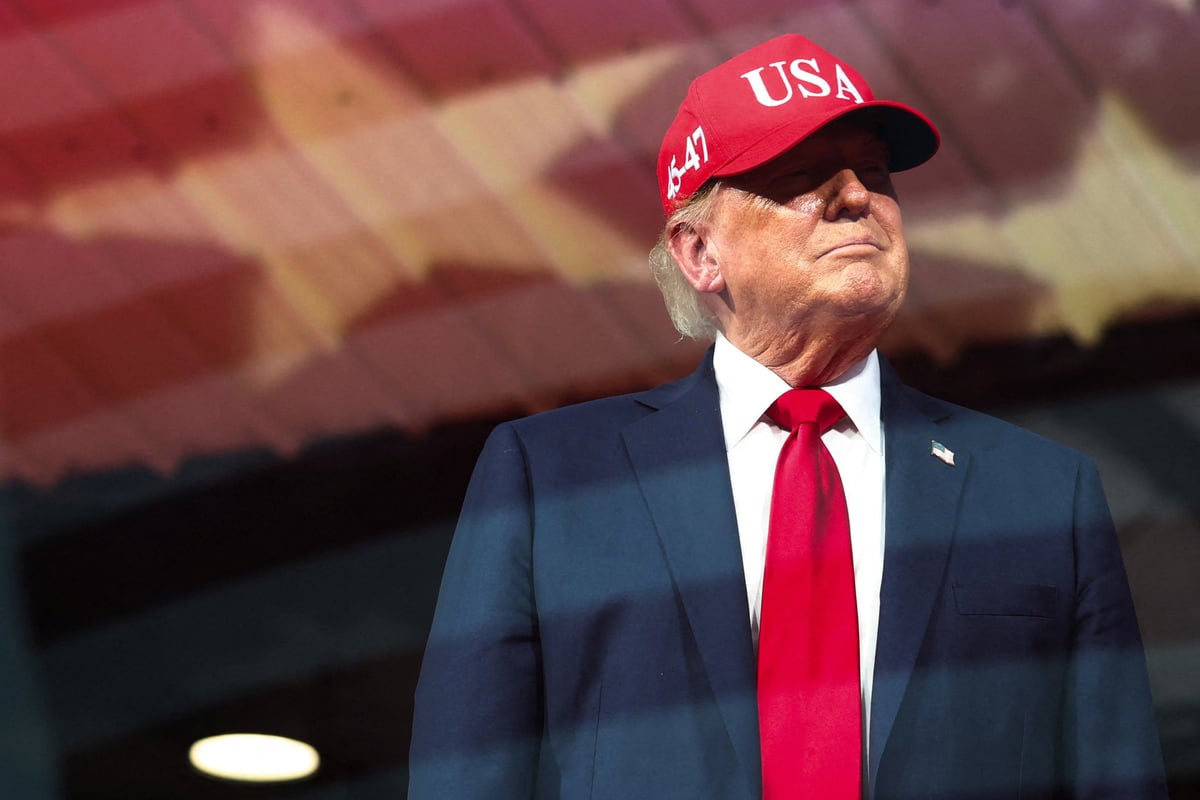
Since Donald Trump's return to the presidency in 2025, as part of his fierce crackdown on immigration, his administration has revoked TPS for migrants from more than a dozen countries, including Venezuela, Nicaragua, Honduras, and Somalia.
New York-based Haitian-American artist Lyne Lucien said "one of the hardest parts of this decision is the uncertainty it creates."
"Many people in the Haitian diaspora are worried about what this means for their families and whether returning to Haiti is safe or realistic given the current conditions," she added.
"There is also concern about families being separated."
Haiti for decades has suffered from abject poverty, corruption, political instability and natural disasters like a devastating earthquake in 2010.
Its last president was assassinated in 2021 and has not been replaced. Haiti has not held an election of any kind since 2016.
Since early 2024, Haiti has also been suffering a wave of violence and other crime from powerful gangs that control nearly all of Port-au-Prince and the country's main roads.
Haiti's poverty and violence are a legacy of enslavement and colonialism, and demands for reparations are growing to address the ongoing harms.
Cover photo: MICHAEL M. SANTIAGO / GETTY IMAGES NORTH AMERICA / GETTY IMAGES VIA AFP