


Climate change fueled devastating wildfires in France and Spain, "extremely scary" analysis finds
London, UK - Human-caused climate change made the devastating wildfires in France and Spain more likely, a rapid analysis by scientists has found.
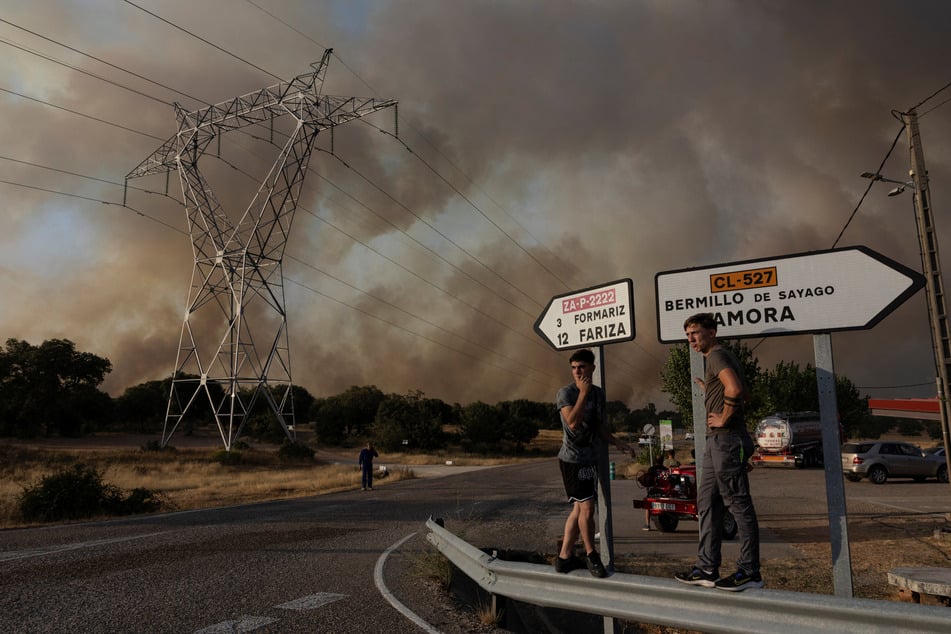
The assessment of the severe wildfires across the two countries since early July found that climate change – mainly caused by burning fossil fuels – made the blazes in France at least twice as likely and at least 20 times more likely in Spain.
The fires have burned huge areas of both countries, killing three people, destroying thousands of homes, and forcing more than 300,000 people to flee.
The researchers from the World Weather Attribution initiative, which specializes in attributing the role of climate change in extreme weather, examined the hot, dry, and windy conditions that fuel blazes, using historical weather observations and seeing how they have changed over time.

They found human-induced climate change made the fire-prone conditions at least twice as likely in southwestern France and at least 20 times as likely in central Spain – though they say these are conservative estimates.
And they warned that in today's climate, events this intense are expected to occur once every 20 years in southwestern France and once every six years in central Spain.
"These findings are extremely scary"
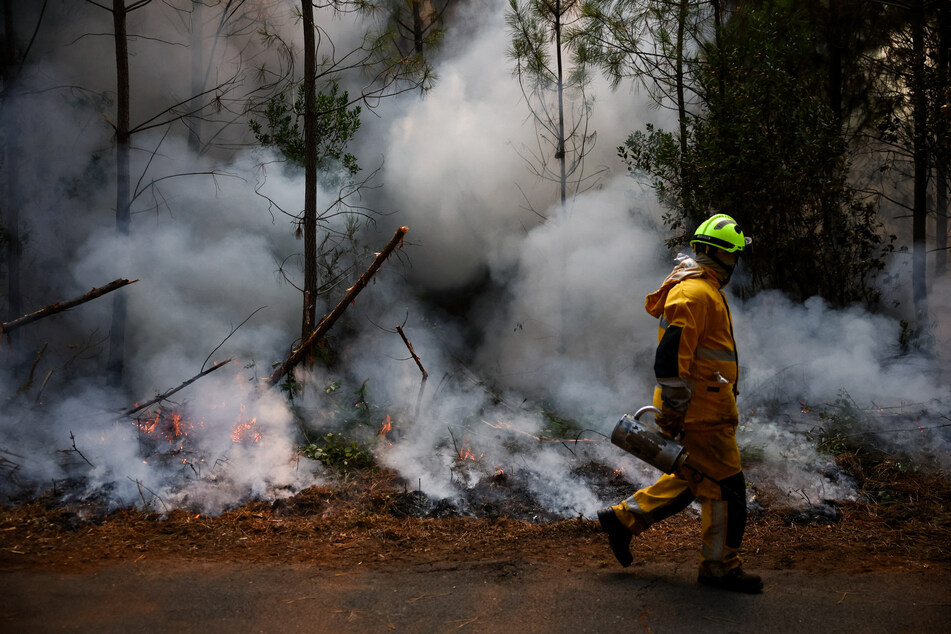
Wet winters followed by dry springs are becoming a key driver of wildfire risk in the affected regions, the experts warned, as rainfall helps vegetation grow – but then plants dry out and become fuel for fires.
And these latest fires are particularly severe as they exposed large numbers of people to both the blazes and widespread smoke, which has serious impacts on health.
Clair Barnes, research associate in extreme weather and climate change at the Centre for Environmental Policy, Imperial College London, said: "What we're seeing in France and Spain isn't just bad luck, it is a clear sign of the escalating impacts of anthropogenic warming."

"A wet winter, followed by this intensely dry summer and a succession of heatwaves, has left forests loaded with dry fuel, and relentless heat – fueled by human-caused climate change – has created the conditions for sparks to take hold and become massive, dangerous wildfires."
"We've seen repeatedly how climate change increases hot, dry, flammable conditions that are extremely conducive to wildfires."
"What's unique about this case is that it's still early in the season – and with another heatwave looming, these findings are extremely scary."
Cover photo: REUTERS