


Dangerous "heat stress" surges worldwide as global temperatures soar
Paris, France - The number of people exposed to dangerous heat stress worldwide has risen sharply over the last half century, propelled by climate change, according to a study released on Monday as Europe sweltered through a punishing heatwave.

Heat stress – the name given to the hazardous build-up of body heat caused by soaring temperatures, humidity, and other factors – is one of the most common ways that weather kills people.
The new study, published in the journal Nature Climate Change, tracked how heat stress levels surged between the 1970s and 2024.
"On every continent, strong to extreme heat stress is now more frequent," lead study author Rebecca Emerton, of the European Centre for Medium-Range Weather Forecasts, told AFP.

In the 1970s, for example, 16% of the world's population experienced at least one day of extreme heat stress – when the "feels-like" temperature was at least 115F.
Fifty years later, the rate has risen to 22%.
"That might not sound like so much," Emerton said.
"But that's an extra approximately one billion people that are seeing at least some extreme heat stress now that wouldn't have done in the 1970s," she added.
The study used the Universal Thermal Climate Index (UTCI), which represents the temperature it "feels like", by including factors such as humidity, wind, radiation, and how the human body responds to heat.
The daily average UTCI has been rising as heat stress events become more frequent, severe, and longer-lasting due to human-driven global warming, the research found.
Europe experiences deadly heat wave
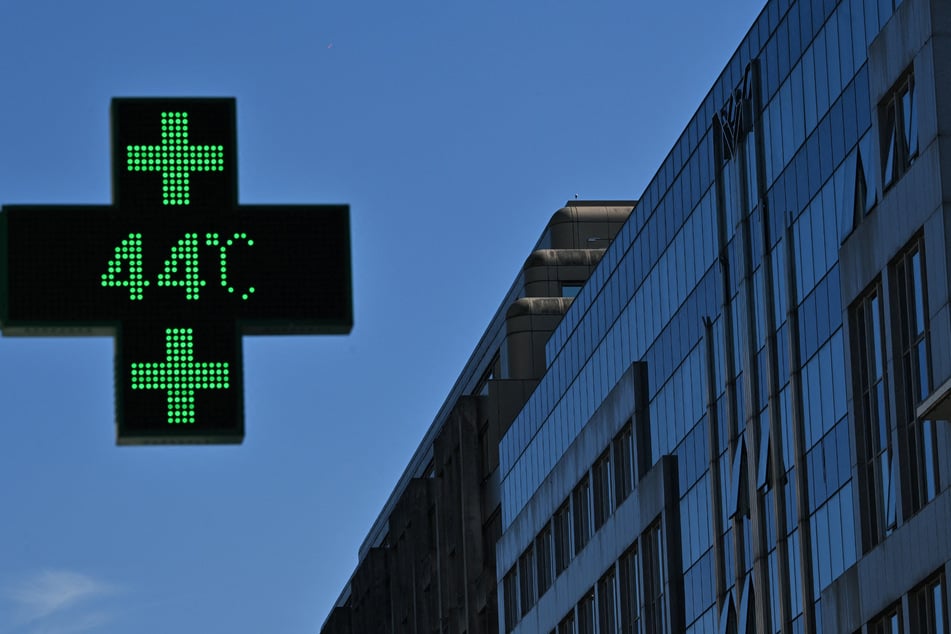
Some countries, including Spain, Portugal, Italy, and France, are now experiencing "feels-like" temperatures up to five degrees hotter than they did in the 1970s, Emerton said.
In France on Monday, two children died during the country's second exceptionally intense heatwave of the year.
Heat stress is also "expanding into areas of the globe where historically it's not been experienced", Emerton said.

For example, very strong heat stress with a "feels-like" temperature of at least 100F has now reached parts of North America, the UK, and Scandinavia, she said.
The researchers also tracked the global rise of unrelentingly hot nights.
During nights when "you can't get any relief, and your body can't cool down, that becomes very dangerous for people's health, particularly for vulnerable people", Emerton said.
Most of the world has seen increases in the number of tropical nights, when the "feels-like" temperature does not get below 68F, the researchers found.
The study only looked at data up to 2024, however Emerton said the heatwaves already pummelling Europe this year suggest the trend has been continuing.
Cover photo: OSCAR DEL POZO / AFP