


2026 marks second-warmest US spring on record with surging heat
Washington DC - The US experienced its second-warmest spring on record, the National Oceanic and Atmospheric Administration said this week, adding that drought remains widespread across the country.
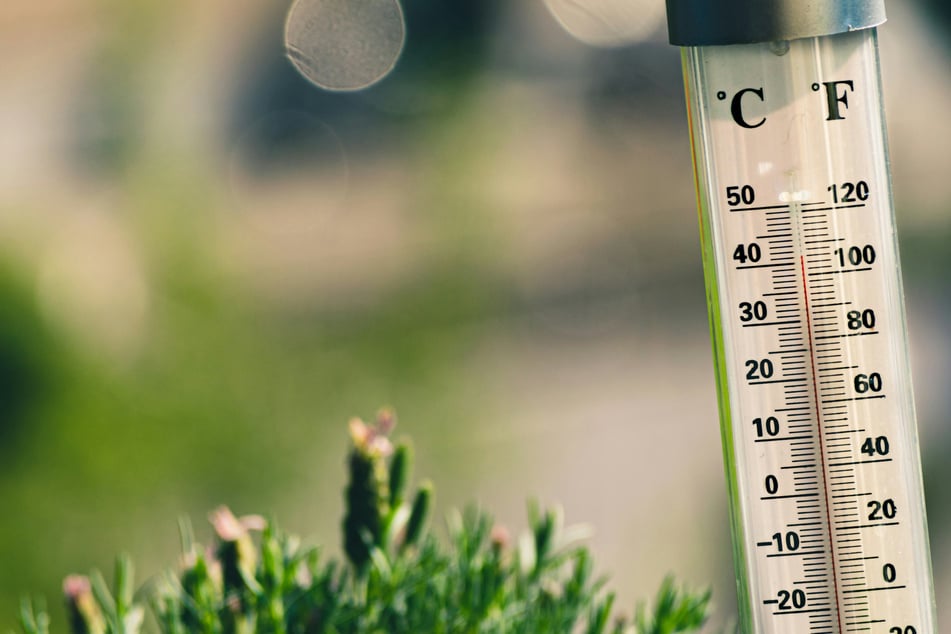
More than half of the 48 contiguous states experienced a spring among their three warmest in the 132-year record, and the warmest since 2012.
The beginning of the year has also marked the driest since 1988, the US weather agency said.
Hawaii, meanwhile, observed the wettest spring in the 36-year record, with more than double the average spring precipitation.

Some other regions also recorded above-average precipitation, but more than half of the contiguous states remained in drought at the beginning of June.
That includes much of the Northwest and parts of the Southwest, the northern Rockies, and the Plains. Forecasters said it is expected to also develop in parts of the Midwest.
The agency's drought outlook expects some improvement across parts of the central and southern Plains, as well as much of the Southwest.
June is expected to experience above-average temperatures across the western and northern US, NOAA said.
El Niño predicted to spike temperatures even more
Global eyes are particularly fixed on the weather across the US this summer, as cities are set to host World Cup games, including at stadiums without roofs or air conditioning.
Globally, the 11 hottest individual years ever recorded all happened from 2015 onwards, and the UN's weather and climate agency recently said the trend would continue, with a new hottest-ever year likely before 2031.
An El Niño weather pattern is also predicted into the end of 2026, which heightens the chances that next year could spell more heat records.
Cover photo: Unsplash/@sumekler