


US activates highest-level response to Ebola outbreak
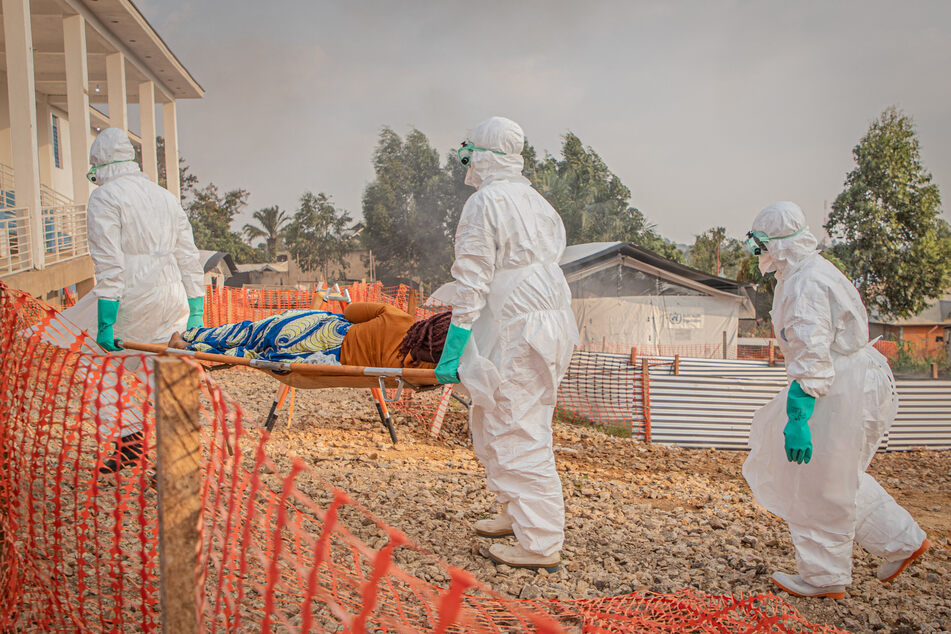
Washington DC - US health authorities on Friday activated the highest level of response to the Ebola outbreak in the Democratic Republic of Congo, while announcing the shipment of experimental treatments to the region.
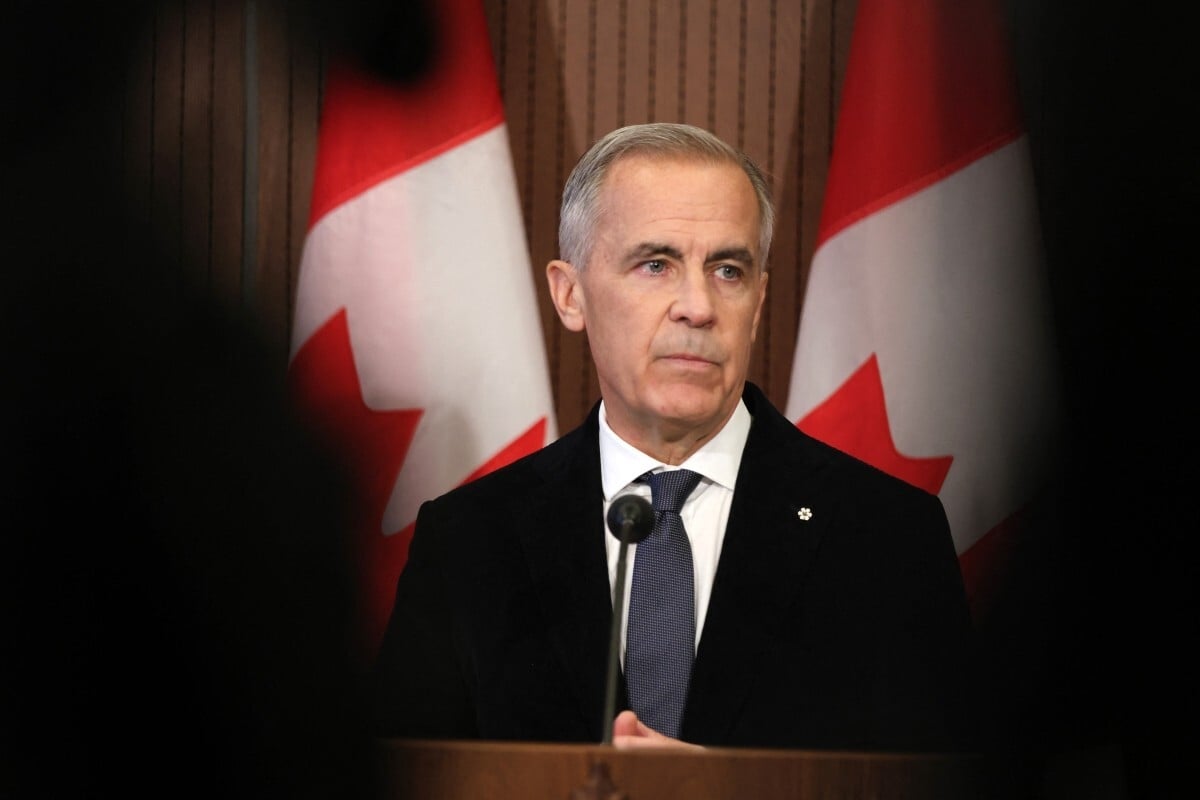
"Our assessment [is] that the risk to the United States continues to remain low," said Satish Pillai, who is leading the Ebola response at the Centers for Disease Control and Prevention.
The leading US public health agency nevertheless announced a Level 1 response – the highest level – as it did for the worst-ever Ebola epidemic in 2014.
The heightened response level is an "internal cue" indicating that the outbreak is a top priority for the agency, a CDC official said.
"We will mobilize staffing and additional resources as efficiently and rapidly as possible," he added.
A little over one month after it was declared, the current Ebola epidemic has claimed 304 lives in the Democratic Republic of Congo (DRC), out of 1,115 confirmed infections.
The outbreak has spread to neighboring Uganda, where containment measures have been effective.
Kampala has reported 20 confirmed cases nationwide, including two deaths, since May 15.
If it is not quickly contained, the outbreak could reach or even surpass the scale of the 2014-2016 Ebola epidemic, US health officials have warned in recent weeks.
Originating in Guinea, that outbreak struck West Africa and killed more than 11,000 people, according to the World Health Organization.
No approved vaccines or treatments exist for the Bundibugyo strain of Ebola responsible for the latest outbreak.
US sends experimental Ebola treatment to DRC and Uganda
US health officials said Friday they are sending doses of an experimental treatment, known as MBP134, to the DRC and Uganda.
Additional doses of the treatment will be sent to the University of Oxford in Britain for a clinical trial, US health authorities said in a statement.
Washington is ready to send 2,500 tests that can be used to screen deceased victims to determine which Ebola strains were present.
Cover photo: BENEDICTION MURHABAZI / AFP