


US diverts all travelers from Ebola-hit region to one airport for screening
Washington DC - The US is redirecting arrivals who recently traveled to countries hit by the ongoing Ebola outbreak to a single Washington area airport for screening, officials said Thursday.
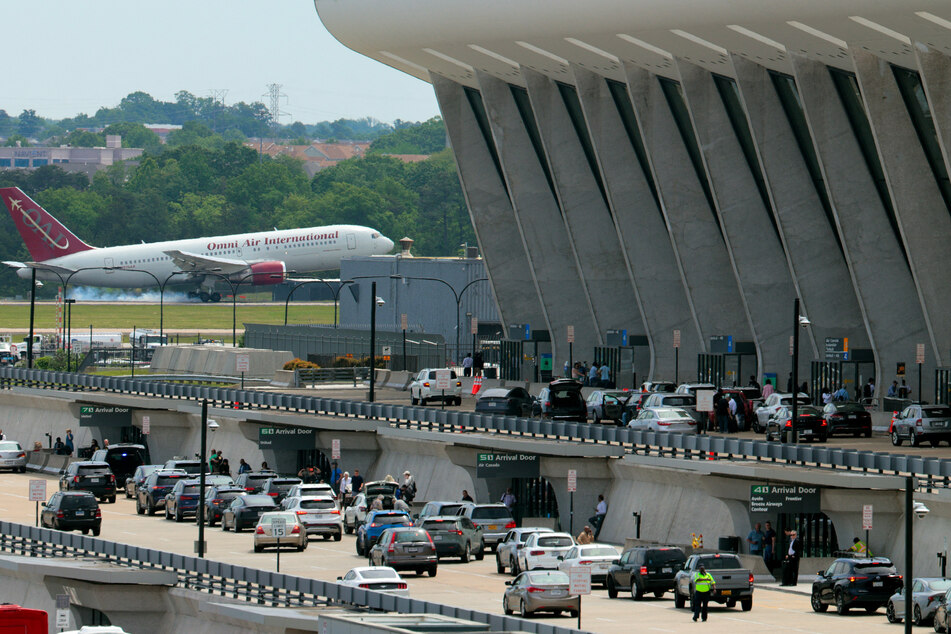
People who were in the Democratic Republic of Congo, or neighboring Uganda or South Sudan, within the past 21 days must now enter the US via Washington Dulles International Airport, which serves the nation's capital, the Centers for Disease Control and Prevention said.
US Customs and Border Protection issued the rule that went into effect for flights departing after 11:59 PM ET on May 20.

The CDC said that going forward, anyone scheduled to travel to US destinations from the impacted countries will be contacted by their airline to rebook to Dulles airport.
There, they will undergo "enhanced" screening that will include a questionnaire on travel history.
Travelers will be observed for signs of illness and receive temperature checks, and will also provide contact tracing information.
If they have no symptoms, passengers will be able to continue to their final destinations and will be provided instructions on symptom monitoring, the CDC said.
The screening regulation applies to US citizens, US nationals, and lawful permanent residents.
Washington had already announced entry restrictions on non-US passport holders if they had traveled to DRC, Uganda or South Sudan within the past 21 days.
The World Health Organization has declared the latest deadly outbreak of the highly contagious hemorrhagic fever an international emergency.
While the WHO believes the risk from the Ebola outbreak is high both in the DRC and the wider central African region, it considers the risk of a worldwide pandemic to be "low."
Cover photo: CHIP SOMODEVILLA / GETTY IMAGES NORTH AMERICA / Getty Images via AFP