Tehran, Iran - Iran warned the US on Friday that "pressure doesn't work" against the Islamic republic, calling on Washington to honor its commitments, after six months of conflict.
The Middle East war started in late February with US-Israeli strikes against Iran, which retaliated with attacks mostly against Washington's regional allies and shuttered the strategic Strait of Hormuz.
An April ceasefire put an end to nearly 40 days of intense fighting, but sporadic attacks, mainly around the Strait, have dimmed the prospects for a final peace agreement.
"Putting diplomacy back on track isn't impossible. It hinges on US understanding of one simple fact: pressure doesn't work," Iranian Foreign Minister Abbas Araghchi posted on X.
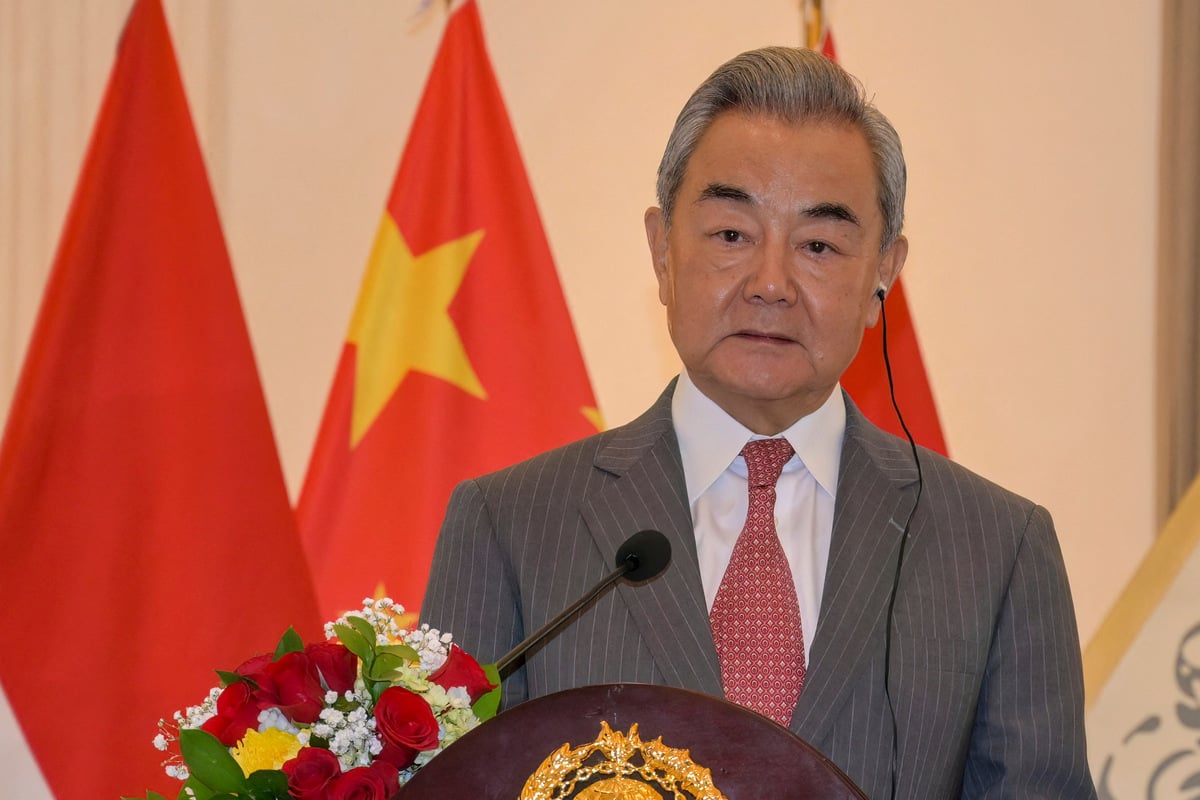
His statement came a day after he met Qatari Foreign Minister Sheikh Mohammed bin Abdulrahman Al Thani, who was visiting Tehran in an effort to revive the diplomatic track, which has been at a standstill for weeks.
Al Thani's visit comes at a time when the US is increasing its economic pressure on Iran, which has already been under international sanctions for decades.
Tehran has been holding talks on the future of Hormuz with Oman for weeks, while insisting that the strait will remain closed as long as Washington has not fulfilled its commitments under the June memorandum of understanding, which calls for lifting the US counter-blockade of Iranian ports and removing sanctions.

Earlier this week, Araghchi penned a letter to the United Nations decrying the latest US sanctions as an "act of state and economic terrorism."
"The US should build trust, speak respectfully, acknowledge our rights, and uphold commitments," Araghchi said on Friday.