


Iran's supreme leader vows US will be forced out of Middle East after "painful blows"
Tehran, Iran - Iran's supreme leader Mojtaba Khamenei said Monday the US would be forced to leave the Middle East after suffering "painful blows", according to a statement carried by state television.
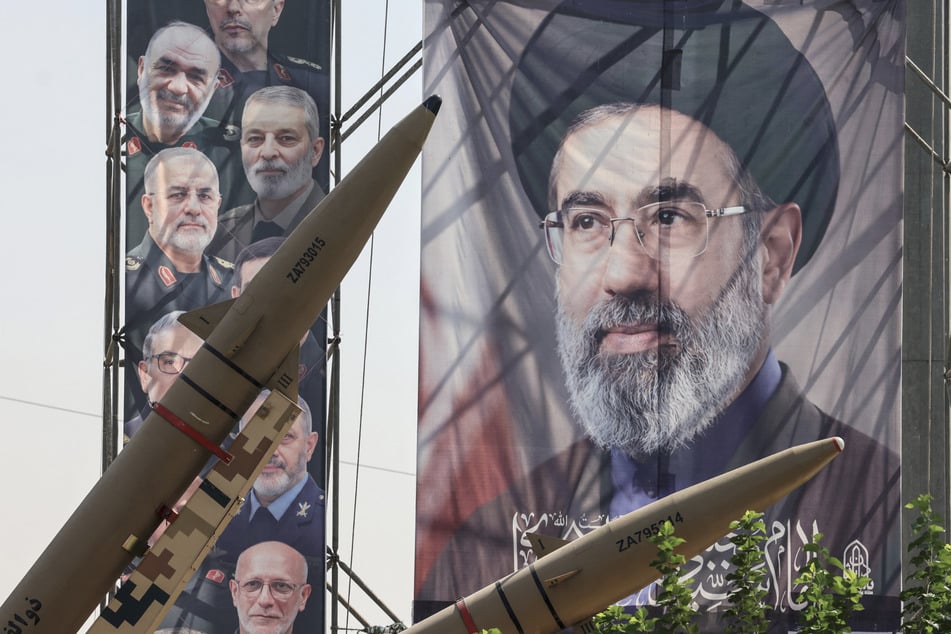
Khamenei, who has not been seen in public since the start of the Middle East war in late February, made the remarks despite attempts to revive talks aimed at ending the fighting.
"Today, having suffered painful blows at the hands of valiant fighters and the guardians of the Strait of Hormuz, they (the enemies) do not venture beyond the Arabian Sea," Khamenei said in the written statement attributed to him, without explicitly mentioning the US.
"Whenever they have braved this risk, they have only brought harm upon themselves. It will not be long before the Arabian Sea, too, would rid itself of their presence," he added.
The Arabian Sea, stretching from the Arabian Peninsula toward India in the east, is a vital maritime corridor that leads to Iran's coasts and the Strait of Hormuz.
Iran and the US have been vying for control over Hormuz since the Middle East war started with US–Israeli strikes on Iran in February.
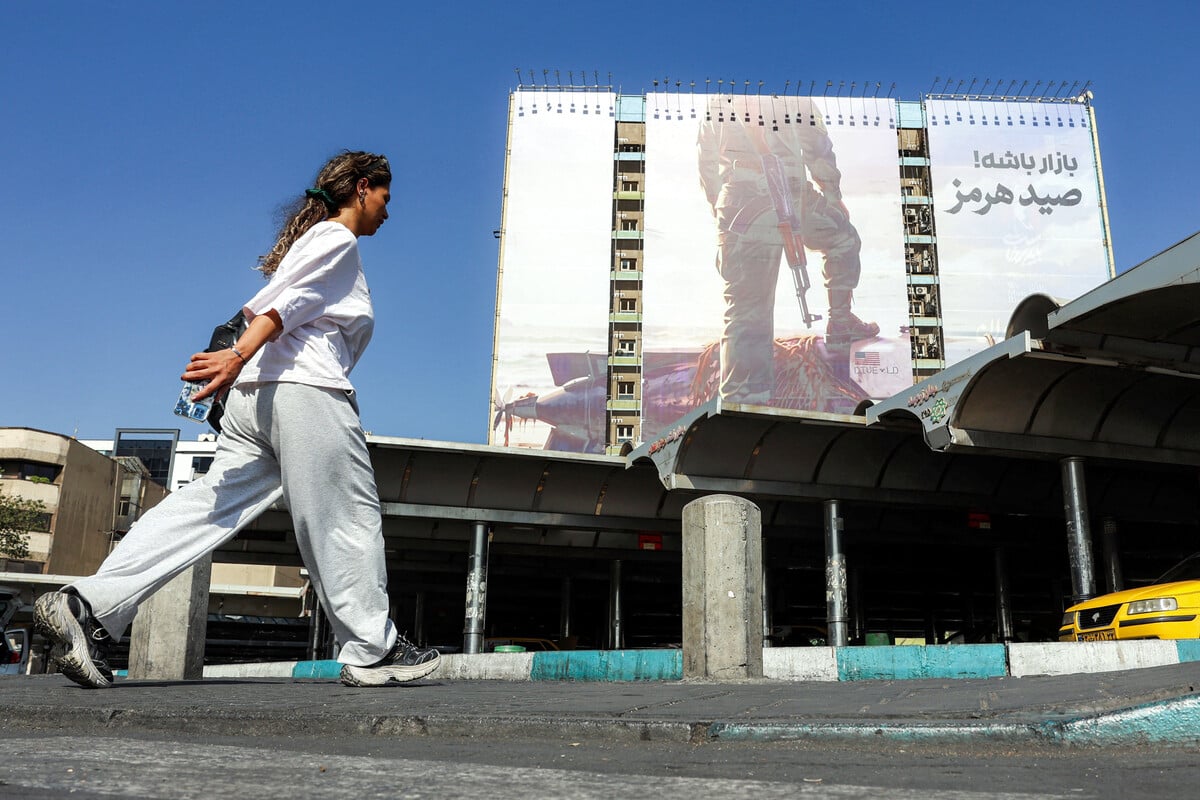
Before the war began, the strategic shipping route carried about a fifth of the world's oil and gas.
But Tehran imposed a blockade on Hormuz after the war started, prompting Washington to respond with its own blockade on Iranian ports.
Cover photo: ATTA KENARE / AFP