


Subpar numbers snub US job market expectations in stunning twist as midterms loom
Washington DC - Employment in the US grew by 29,000 jobs in September, missing analysts' expectations significantly, with the unemployment rate rising slightly to 4.2%, government data showed on Friday.

Adding to the weak data, the Bureau of Labor Statistics (BLS) also revised down job figures for July and August by a combined 60,000 jobs, the department said in a statement.
The revision to July's data showed that the world's largest economy lost jobs that month, as opposed to posting a gain of 21,000 as previously reported.
The data comes ahead of key midterm elections in November, when President Donald Trump's Republican Party is facing a stern test over his handling of the economy.
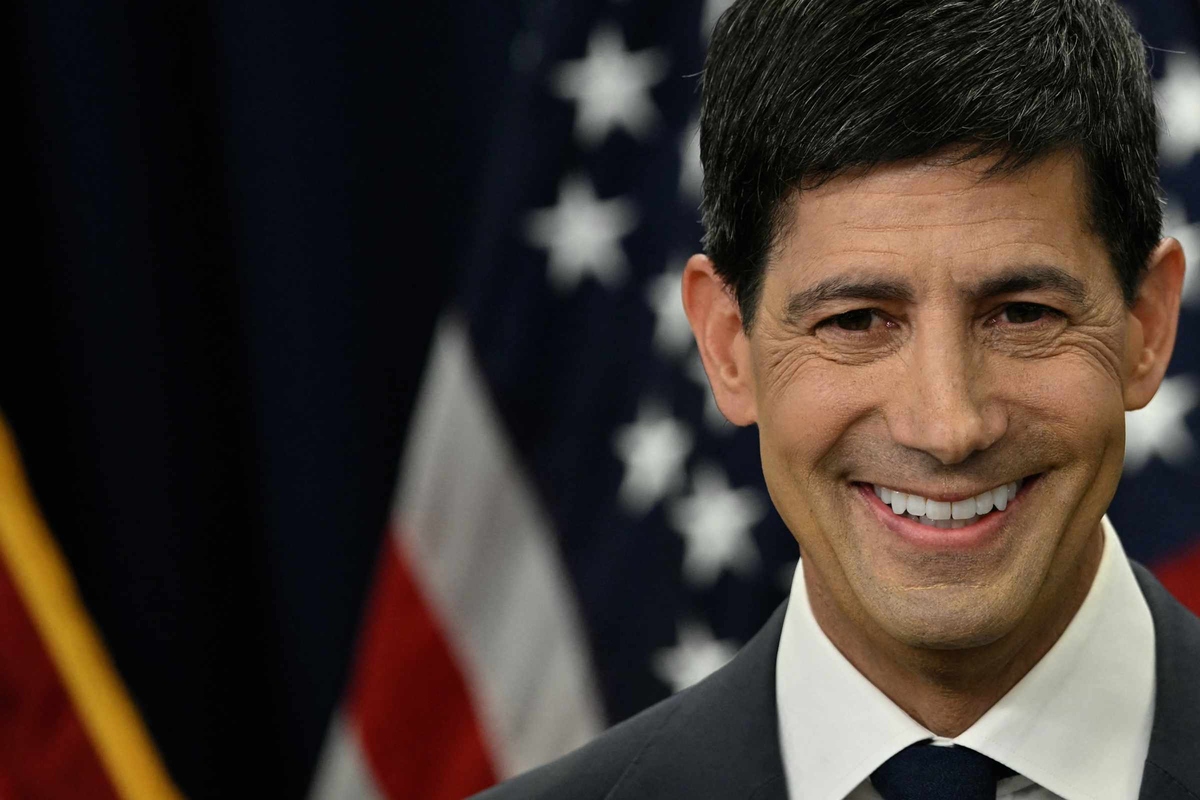
Trump's top economic advisor Kevin Hassett said he was "not even a little bit" disappointed in Friday's data.
Analysts polled by Dow Jones Newswires and the Wall Street Journal had expected the US economy to add 84,000 jobs in September.
Employment in most major sectors was largely unchanged, the BLS reported, with health care posting gains of 17,000.
The sector has propped up the labor market in the US in the last year, as an aging population requires more care.
September's sector gains were slower than its average monthly gain of 33,000 over the last year.
"With... immigrant labor losing their status to work in the US, that restriction in labor supply is causing subdued labor growth now for health care," said Ken Kim, senior economist at KPMG.
The financial sector continued its downward slide, bringing its overall slump from a recent peak in May 2025 to 129,000.

Most US workers are seeing real wage losses, analyst says
Average hourly earnings for all employees were up 3% year-on-year, with wages continuing to lag behind stubbornly high inflation – meaning most workers are seeing real wage losses.
"It does have a big impact on households; that's why consumer confidence has been tanking," KPMG's Kim told AFP. "Because it's corrosive, (with) cumulative inflation."
Democratic Senator Elizabeth Warren seized on the data to criticize Trump's performance.
"Since the start of Trump's war, real wages have fallen 0.7% as his failed agenda keeps pushing prices up," she said, referring to the US war against Iran launched in late February.
The conflict has plunged the Middle East into violence and sent global energy prices skyrocketing, as Tehran's retaliatory action has targeted Washington's regional allies and choked a key trading route.
The data comes after the US Federal Reserve – which has a dual mandate to maintain inflation at a long-term 2% target while ensuring maximum employment – raised interest rates last month to address high prices.
The US labor market has been largely in balance this year, with modest job gains and a steady unemployment rate.
That steadiness has allowed the Fed to focus on the inflation side of its mandate. Raising interest rates tends to cool inflation but can also limit economic activity, which can affect the job market.
This week, two key Fed policymakers indicated that the central bank may not raise rates again at its October meeting, although markets continue to expect a further hike before the end of the year.
Friday's jobs data "lends support to the less hawkish Fed officials that indicate no need to rush and deliver the next rate hike at the end of this month," said Kathy Bostjancic, chief economist at Nationwide.
Cover photo: KENT NISHIMURA / AFP