


US NATO ambassador provides update on weapons procurement for Ukraine
Warsaw, Poland - The procurement system bringing Ukraine US weapons "continues," Washington's envoy to NATO told AFP, amid reports that the Trump administration had threatened to cut supplies if Kyiv keeps striking Russian energy infrastructure.
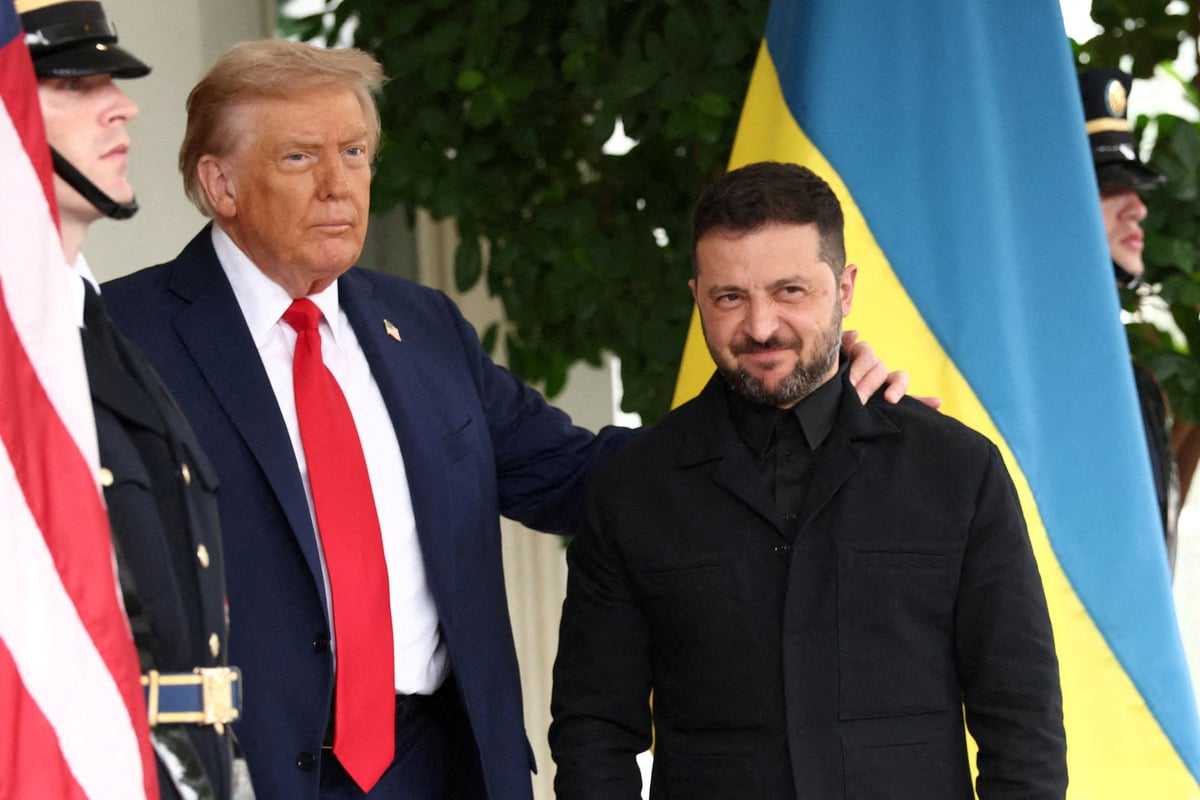
With gas prices surging ahead of the midterm elections, President Donald Trump has turned to major oil producer Russia as a possible source of relief, unilaterally announcing Sunday an "energy ceasefire" days after easing sanctions on Moscow to enable diesel exports.
According to a report by the Financial Times, Trump's administration has since threatened to halt the Prioritized Ukraine Requirements List (PURL) mechanism.
The program allows Ukraine to receive US equipment purchased by Washington's NATO allies, unless Kyiv stops striking Russian oil refineries.

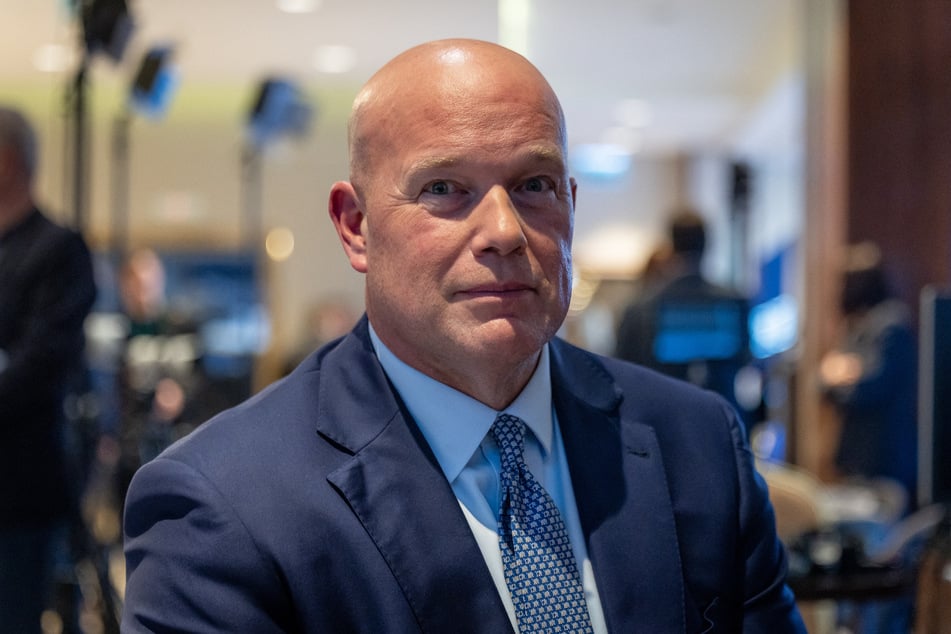
In an interview on the sidelines of the Warsaw Security Forum late Monday, US ambassador to NATO Matthew Whitaker told AFP that he did not want to comment on "unconfirmed reports."
But, he said, "I don't think that's consistent with what I know today, which is that the United States continues to sell our equipment and munitions to our European and Canadian allies that then provide it to Ukraine."
"I know of no change to that program."

Equipment availability through PURL program lagging

Whitaker, meanwhile, acknowledged that the availability of equipment through the PURL program was currently lagging.
"Air defense largely is in high demand, and the availability is probably not as good as we would like," he said.
He stressed, though, that efforts were underway to rectify the situation.
"You're seeing a lot of companies try to come up with new and innovative ways to knock projectiles out of the air," he said, insisting that "ultimately, we're going to solve this problem."
"I think it's a short-term challenge."
At the same time, Whitaker conceded that time was of the essence.
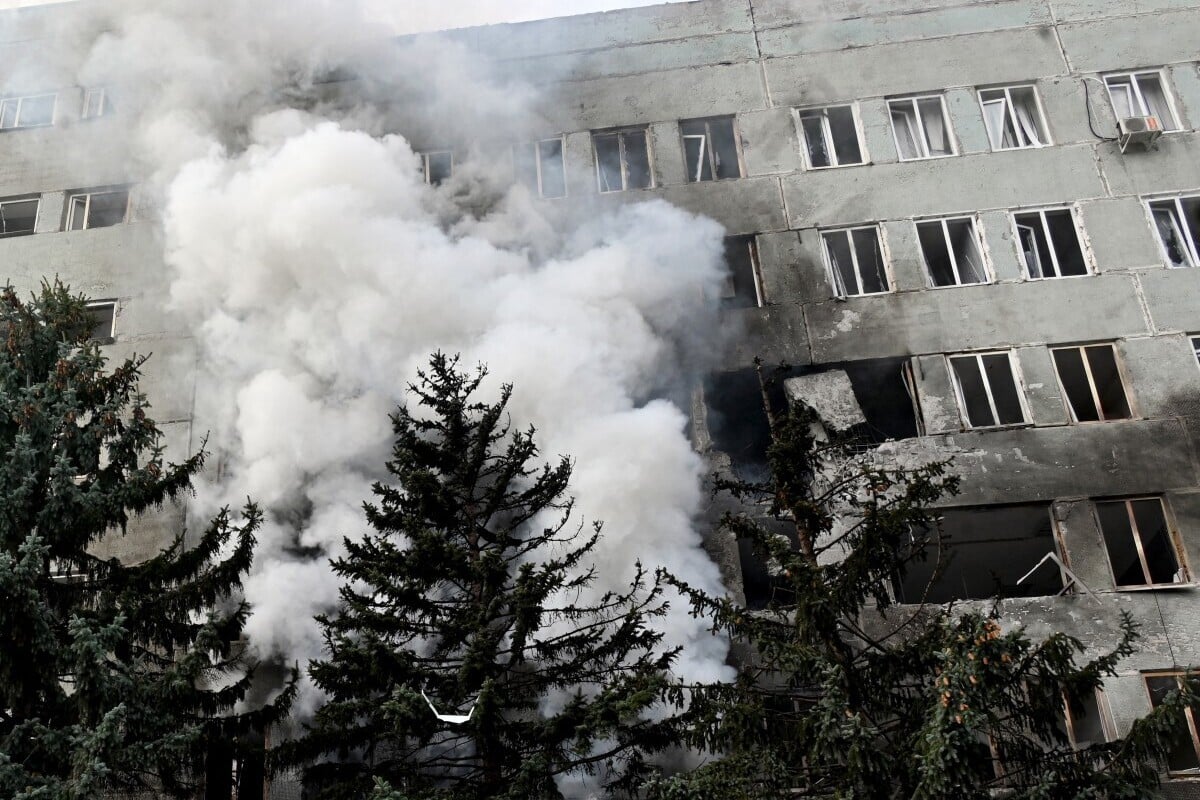
"Ukraine is facing a winter where, if there is not an energy ceasefire, ... their electricity and heating infrastructure could be under a lot of pressure," he said.
Washington, he stressed, was "working with our allies that have air defense to get it in-country as quickly as possible."
"We'll continue to every day work on it, try to find available inventory, and then increase production on both sides of the Atlantic."
US reviewing military presence in Europe
The ambassador's comments came as Washington's European allies brace for the results of a formal review of the US military presence on the continent, amid fears it could cut back its forces there.
Whitaker appeared to try to allay those concerns, stressing that the US was intent on making sure "we don't create any security gaps within the architecture that we've built here in Europe."
At the same time, he said, Washington would continue to pursue its push towards "NATO 3.0, which is Europe-led."
European countries have been massively ramping up military budgets, agreeing last year to Trump's demand to devote 5% of GDP to security-related spending by 2035.
"We are very pleased with how Europe has stepped up," Whitaker said. "Is it perfect? Certainly not. Do we have certain allies that probably could do more? Yes. But we have a lot of allies that are doing a lot."
Washington was "in a good place with the overall force posture and basing review," he said.
The outcome of the review was expected to be presented to Defense Secretary Pete Hegseth next month, but it remains unclear when it will be made public.
"I know there's a foreign ministerial in early December" in Brussels, Whitaker said, hinting that Secretary of State Marco Rubio might possibly make the announcement there.
Cover photo: WOJTEK RADWANSKI / AFP