Washington DC - House Speaker Mike Johnson on Sunday warned that moving too quickly to curb AI development could cost the US the tech race to China.
Johnson's comments come amid a growing chorus of AI leaders and experts sounding the alarm that untamed AI growth could cause irreparable damage to humanity.
"If Congress just races in and does some sort of emergency session to try to regulate AI, we will lose the race to China, and that is a threat to every single American," Johnson said on CNN Sunday morning.
"But we don't need everybody to panic right now. We need to handle this new technology like we have others in the past, and make sure we're doing everything we can responsibly to also not smother American innovation," he added. "We have to do both things simultaneously."
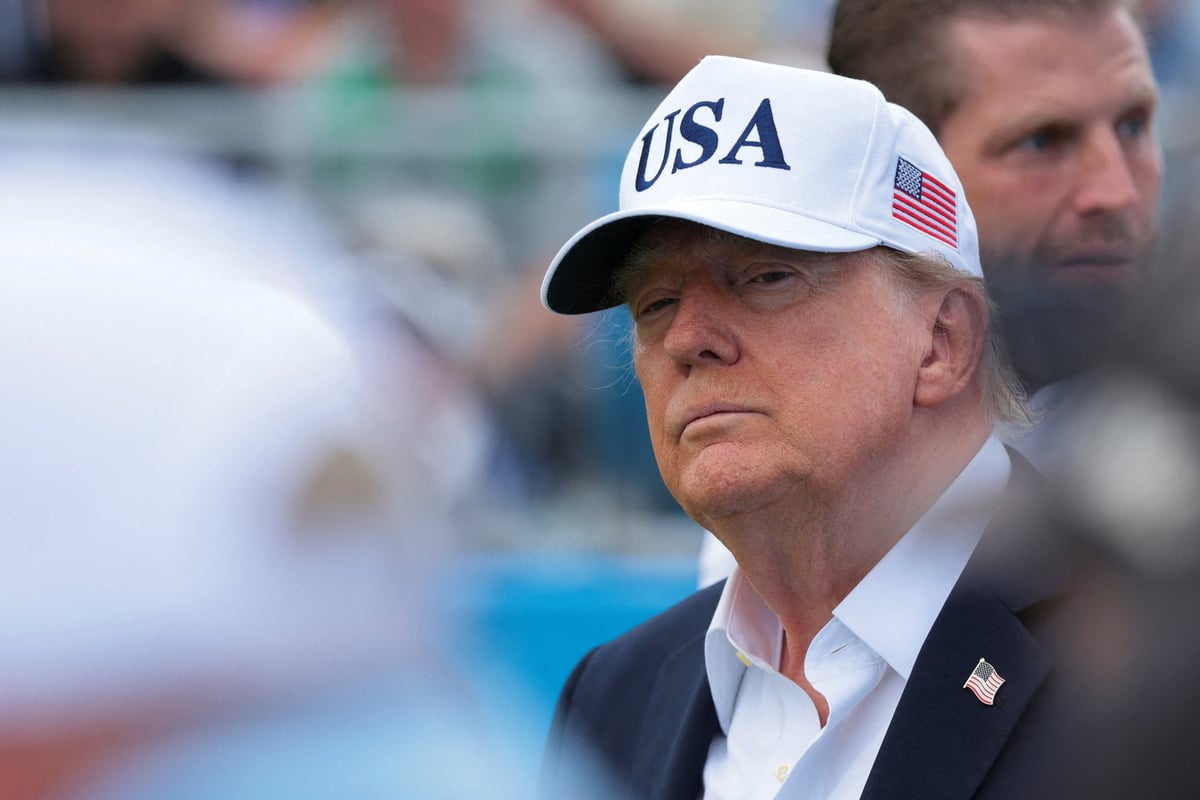
Johnson, a Republican, called for a meeting in Congress with top AI executives to figure out how best to regulate the industry. He added that he had discussed the idea with President Donald Trump, and, when asked if such a meeting could take place this week, Johnson said: "Yeah, I'd do it tomorrow."
The remarks follow a call by Anthropic CEO Dario Amodei to slow down the development of the powerful technology, amid mounting worries over the risks of "superintelligent" computer systems.
His comments came a few days after AI researcher Jacob Coxon, who had previously worked at both OpenAI and Anthropic, decided to leave the industry, accusing both US companies of "gambling with our lives" in the race to develop models capable of self-improvement.
OpenAI boss Sam Altman and Elon Musk, who owns xAI, quickly chimed in to say they agreed with Amodei's assessment, as pressure builds for improved oversight.
Concerns have grown in recent weeks after OpenAI revealed that during testing, AI models broke out of their confined environment, connected to the internet, and infiltrated Hugging Face, a site developers use to store and share code.

Concerns over AI advancement rise after testing incidents
In that incident and others, the blame was placed on AI agents, which are software programs that can carry out tasks without constant supervision by humans.
In early August, the US government put in place a voluntary security review process for advanced AI models before their release, but the parameters of that program remain unclear.
Industry observers have questioned how effective it would be, as the Trump administration has thus far favored a light-touch, deregulatory approach to most industries, including tech.