


WHO kicks off annual global meeting amid hantavirus and Ebola fears
Geneva, Switzerland - The World Health Organization opened a meeting of global health ministers on Monday amid concern over deadly hantavirus and Ebola outbreaks and uncertainty over announced US and Argentinian withdrawals.
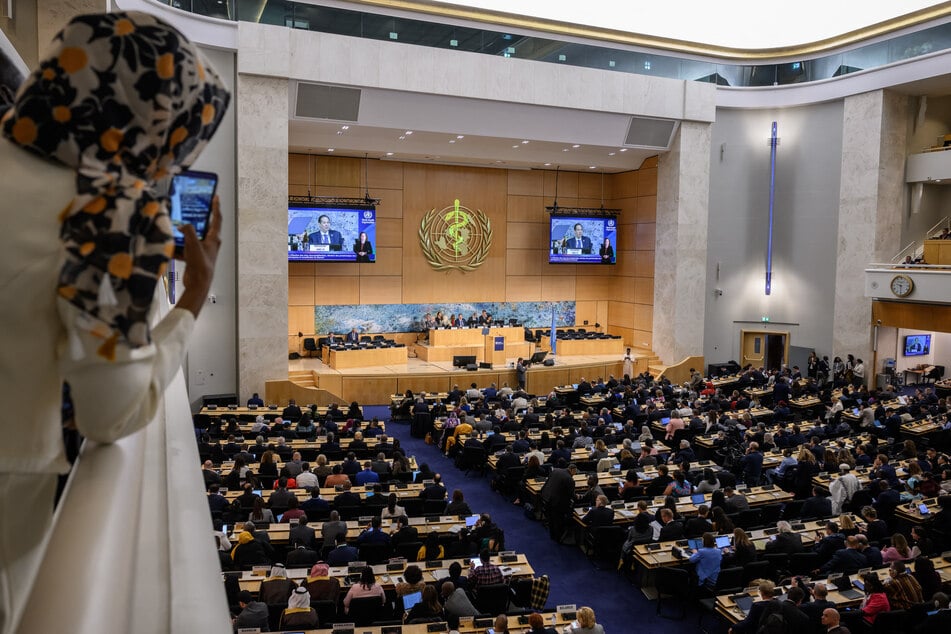
While the rare hantavirus outbreak on a cruise ship that has gripped global attention is not officially on the agenda, it is expected to feature prominently in discussions, alongside the latest Ebola outbreak in the Democratic Republic of Congo.
The two outbreaks "are just the latest crises in our troubled world," WHO chief Tedros Adhanom Ghebreyesus told the opening of the UN agency's annual decision-making World Health Assembly.
"From conflicts to economic crises to climate change and aid cuts, we live in difficult, dangerous, and divisive times."
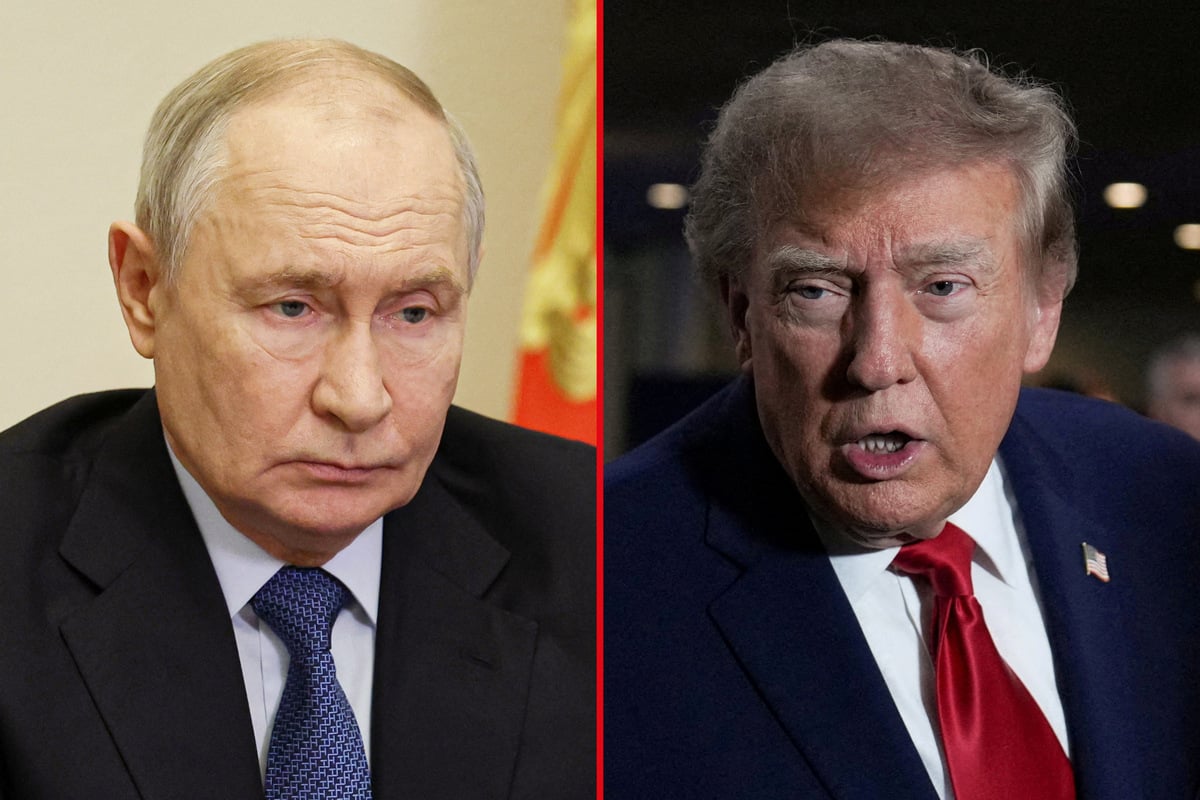
United Nations chief Antonio Guterres said the global health challenges "have rarely felt more daunting."
"Over the past year, cuts to bilateral and multilateral aid have disrupted health systems and widened inequalities," Guterres said in a video address to the assembly.
The meeting, which runs through Saturday, comes after a difficult year for an organization weakened by the announced US withdrawal and deep funding cuts.
"The WHO's budget has been reduced by around 21 percent, or nearly one billion dollars. Hundreds of jobs have been eliminated, programs have been reduced," Swiss Health Minister Elisabeth Baume-Schneider noted in her address.
"The WHO had to, and was able to, undergo profound reform in the midst of the emergency."
US and Argentina set to withdraw from WHO
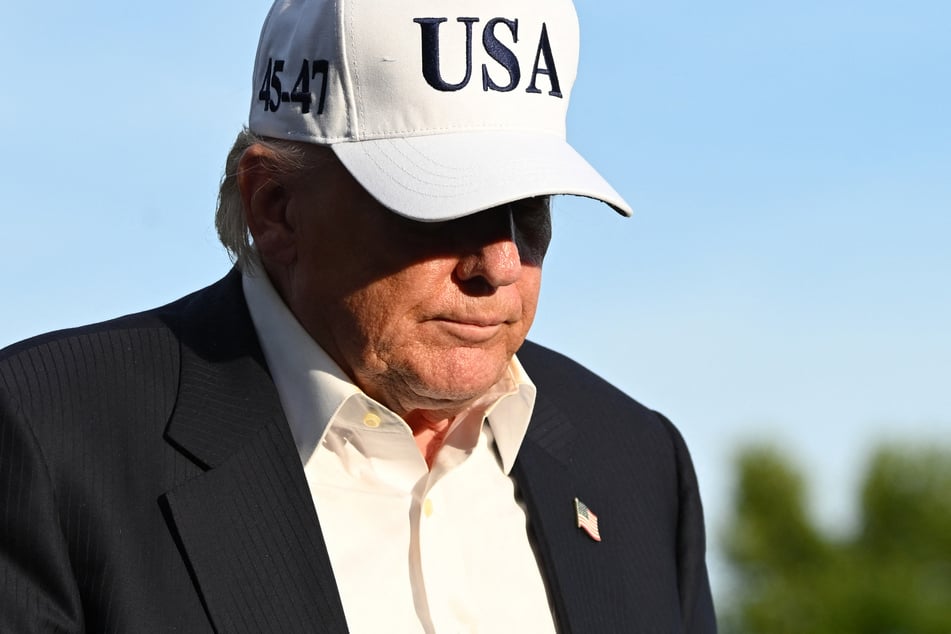
But significant divisions persist.
Disagreement between wealthy and developing nations has blocked closure on the WHO's landmark 2025 pandemic treaty, with negotiations now expected to be extended for another year.
It also remains unclear what, if anything, would be decided on the withdrawal of the US and Argentina.
US President Donald Trump handed in a one-year notice to withdraw from the WHO on his first day back in office in January 2025. Argentina soon followed suit.
The WHO, whose constitution does not include a withdrawal clause, has not confirmed either withdrawal.
The US reserved the right to withdraw when it joined the WHO in 1948 – on condition of giving one year's notice and meeting its financial obligations in full for that fiscal year.
While the notice period has expired, Washington has still not paid its 2024 or 2025 dues, owing around $260 million.
When WHO's executive board met in January, Israel submitted a resolution to approve Argentina's withdrawal – something countries are expected to discuss during the assembly – but not a word was said about the US.
Diplomats and observers indicated there was broad agreement that it would be better to maintain a grey zone around the US status.
Cover photo: FABRICE COFFRINI / AFP