


Spokane wildfires raze entire neighborhoods as firefighters race to contain blazes
Spokane, Washington - Wildfires supercharged by drought and intense heat tore through Spokane, forcing the evacuation of 60,000 people as hundreds of buildings were reduced to cinders and firefighters raced Monday to contain the flames.
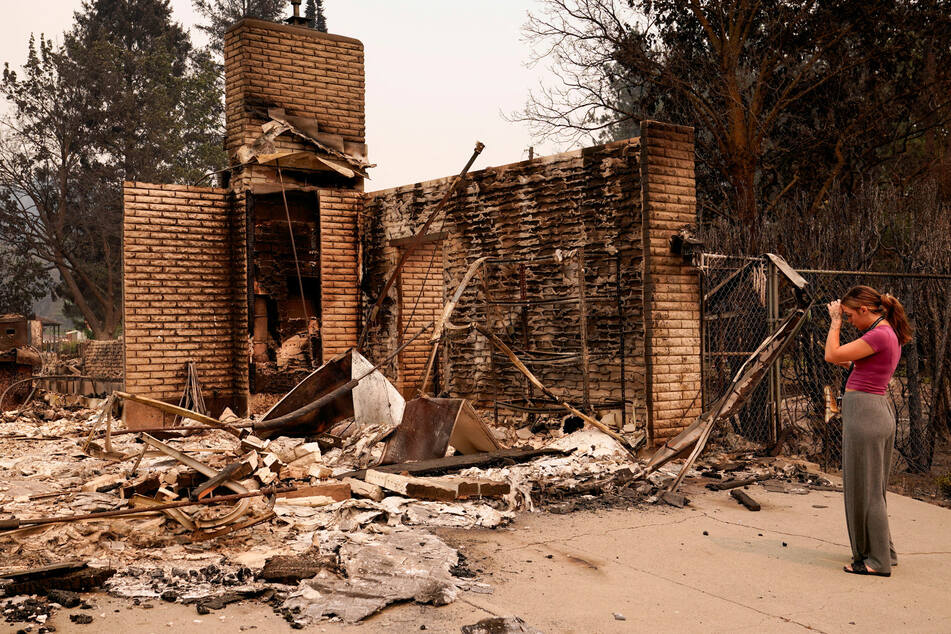
Some 600 structures have been damaged or destroyed while none of the 7,708 acres burned by three fires in the Spokane area in the state of Washington have been contained, according to InciWeb, a federal interagency information system.
Local officials said so far no one has been reported hurt.
Cooler temperatures were expected Monday and Tuesday, though the respite will be brief, with "a warming trend building into the area Wednesday through Friday as temperatures will rise into the mid to high-90's with relative humidity in the lower teens," InciWeb's latest update said.

Video of the aftermath on Sunday showed scores of homes burned to the ground, with only their brick fireplaces and foundations remaining, while other houses nearby escaped practically unscathed.
"Just driving around looking at the homes – it's just one of the most heartbreaking things I've ever seen in my life," Spokane resident Geoff Beadles told AFP, after evacuating with his fiancée and two dogs.
"About 60,000 individuals were evacuated" under the authorities' highest-level alert, known as "Go Now," police chief Kevin Hall said Sunday, commending police and firefighters for their efforts.
Emergency authorities set up a fire evacuation shelter at the Spokane Convention Center.
Mayor Lisa Brown told a press briefing: "To the people who are suffering right now in our region from either loss or uncertainty... our hearts go out to you. We are here for you for the long term."
Smoke accumulating over the city rendered air quality "unhealthy" on Monday, federal data showed, with conditions forecast to turn "very unhealthy" later in the day.
Sheriff John Nowels said no deaths or injuries had so far been reported, but "because of the scale of this and what it takes to... do those kinds of investigations in an active fire scene, that could change."
Washington Governor Bob Ferguson said he had spoken to federal officials about receiving resources to respond to the disaster, including President Donald Trump, who understood "how dire the situation is."
Climate change fuels "extraordinary wildfire season"
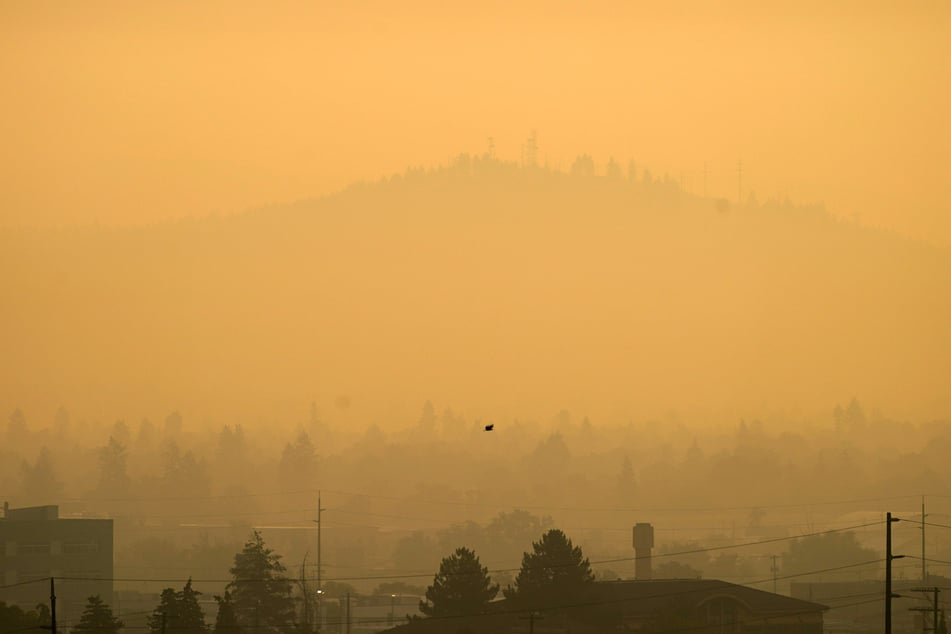
Ferguson declared a state of emergency on August 1, citing drought conditions that have stretched four consecutive years, unusually high temperatures, and high winds exacerbating record-setting wildfires.
Human-caused climate change is increasingly creating conditions for more frequent and intense wildfires, through increased heat, extended drought, and a "thirsty" atmosphere that enhances the drying of organic matter.
It is a vicious loop, with increased wildfires releasing massive amounts of carbon dioxide into the atmosphere, accelerating planetary warming.

Fire officials warned that "unauthorized" drone incursions into restricted airspace above wildfires were forcing the grounding of helicopters and other aircraft fighting the blazes.
The head of Washington's Department of Natural Resources, David Upthegrove, said the fires in Spokane were among 15 major blazes burning throughout the state of Washington.
"This is an extraordinary wildfire season in the Pacific Northwest. It's not a normal season," he said.
"A confluence of weather conditions, a confluence of fires throughout the West, are stretching our resources and challenging the individuals in this response."
An outage map published by local utility Avista showed over 7,300 customers were without power due to the fires as of early Monday.
The biggest of the three fires burning in Spokane, the Old Trails fire, jumped the Spokane River on Saturday afternoon and crossed into the city proper.
Another resident, Tena Risley, said she saw flames behind trees near her home and, in a panic, she grabbed her dog and a few things. She got stuck in traffic trying to flee as the fast-moving fires blocked routes out of the city.
"There were probably hundreds and hundreds of cars," she told AFP.
Cover photo: REUTERS