


Fears grow that Haitian and Syrian refugees fleeing US will be turned back at Canadian border
Ottawa, Canada - Canada's increasingly restrictive border policy may cut off a potential escape route for Haitian and Syrian asylum seekers who risk getting rounded up and deported by the US.
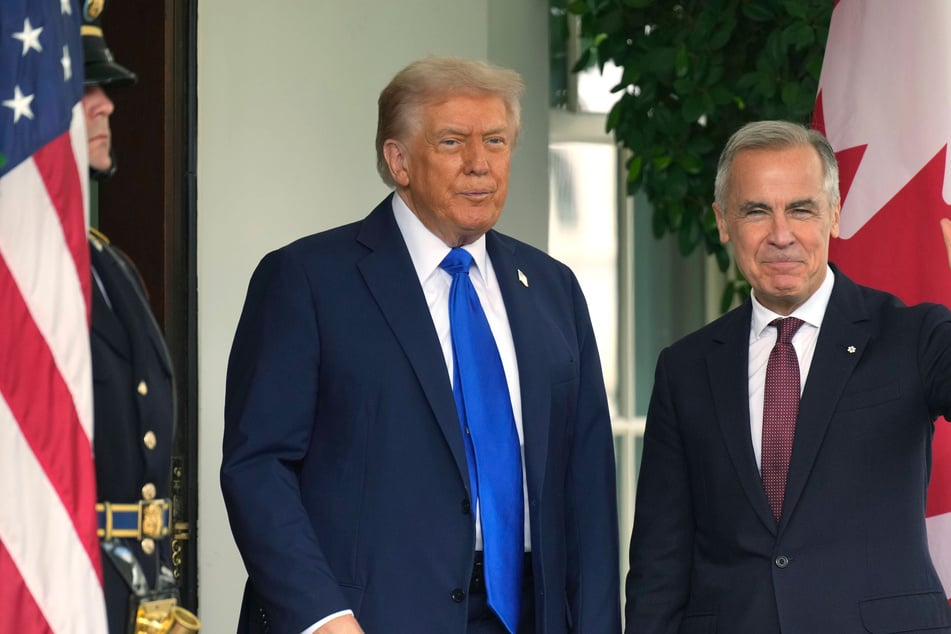
In the wake of the Supreme Court's 6–3 decision on Thursday to allow the Department of Homeland Security to end the Temporary Protected Status for Haitians and Syrians, scrutiny of Ottawa's border policy has increased.
Particularly, questions are being raised by experts and human rights organizations about the US and Canada's Safe Third Country Agreement, which blocks refugees from seeking asylum along the two countries' land border.
Proponents of the policy argue that because both Canada and the US are "safe" countries, there is no reason for an asylum seeker to leave either for the other unless they fit within specific exemption categories.

With Haitian and Syrian refugees now facing possible deportations in the US, many are expected to attempt the crossing into Canada.
Ottawa was already facing criticism for routinely turning asylum seekers away at the border, effectively throwing vulnerable people into the brutal and inhumane custody of US Immigration and Customs Enforcement.
Now, an investigation by the New York Times has revealed that border officials are sometimes even rejecting asylum seekers who present strong evidence, such as DNA tests or birth certificates, proving familial links to Canada.
"We know that even in very strong cases, officers make mistakes, or do not review all the documents put forward, or do not even interview the Canadian relatives," Heather Neufeld, a senior immigration lawyer, told the NYT.
"I am terrified that many individuals will come to the border seeking safety and protection, only to find that either they do not meet a technical exception, or are unable to present sufficient documents, or are wrongly denied," she said.
Cover photo: IMAGO/ZUMA Press